



Core trade-offs between internal frameworks and managed security
Selecting a cloud security guide for SMEs requires balancing immediate budget constraints against long-term operational resilience. Internal frameworks provide granular control over data sovereignty, which is often a requirement for SMEs operating under strict industry regulations like HIPAA or GDPR.
However, this control necessitates a dedicated headcount—typically a minimum of two full-time security engineers—to manage patch cycles, identity access management (IAM) configurations, and continuous monitoring across multi-cloud environments.
Resource intensity of internal implementation
Maintaining security protocols in-house involves significant hidden labor costs that often exceed the price of a Managed Security Service Provider (MSSP). SMEs frequently underestimate the time required for threat hunting and incident response. For example, configuring AWS GuardDuty or Azure Sentinel requires not just initial setup, but ongoing tuning of alert thresholds to prevent alert fatigue.
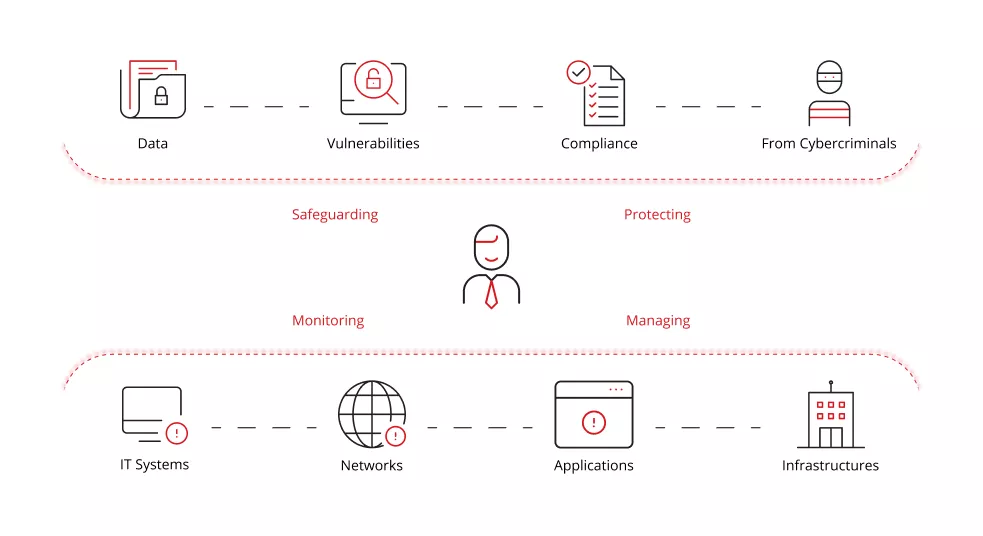
When an SME relies on internal staff, the cost of specialized training, free cloud security certification programs, and the inevitable turnover of security talent creates a volatile operational expenditure. Relying on generalist IT staff to manage complex is cloud security a good career path often leads to misconfigured S3 buckets or overly permissive IAM roles, which remain the leading cause of data breaches in small-to-medium enterprises.
Scalability limits of outsourced security
Outsourcing security to a third-party provider offers immediate access to a Security Operations Center (SOC) and advanced tools like CrowdStrike Falcon or Palo Alto Prisma Cloud without the need for internal expertise. Yet, this model introduces a scalability bottleneck when an SME experiences rapid growth.
Many MSSPs operate on standardized service-level agreements (SLAs) that may not account for the bespoke cloud architecture of a scaling startup. As an SME pivots its infrastructure—moving from monolithic applications to microservices on Kubernetes, for instance—the provider’s rigid security policies can hinder deployment velocity. Furthermore, if an SME’s data volume spikes, the cost-per-gigabyte for log ingestion and analysis within managed services can quickly become prohibitive, forcing a painful transition back to internal management or a costly renegotiation of service terms.
Evaluating the effectiveness of a cloud security guide for SMEs
An effective cloud security guide for SMEs must prioritize resource-efficient frameworks over enterprise-grade complexity. Small and medium-sized enterprises often lack dedicated Security Operations Centers (SOCs), meaning a guide is only useful if it provides actionable, low-overhead workflows.
Look for documentation that emphasizes the Shared Responsibility Model specifically tailored to SaaS-heavy environments, such as Microsoft 365 or Google Workspace, rather than just raw infrastructure-as-a-service (IaaS) management. A high-quality guide should explicitly detail how to implement Multi-Factor Authentication (MFA) using hardware keys like YubiKey or FIDO2 standards, rather than relying on vulnerable SMS-based verification.
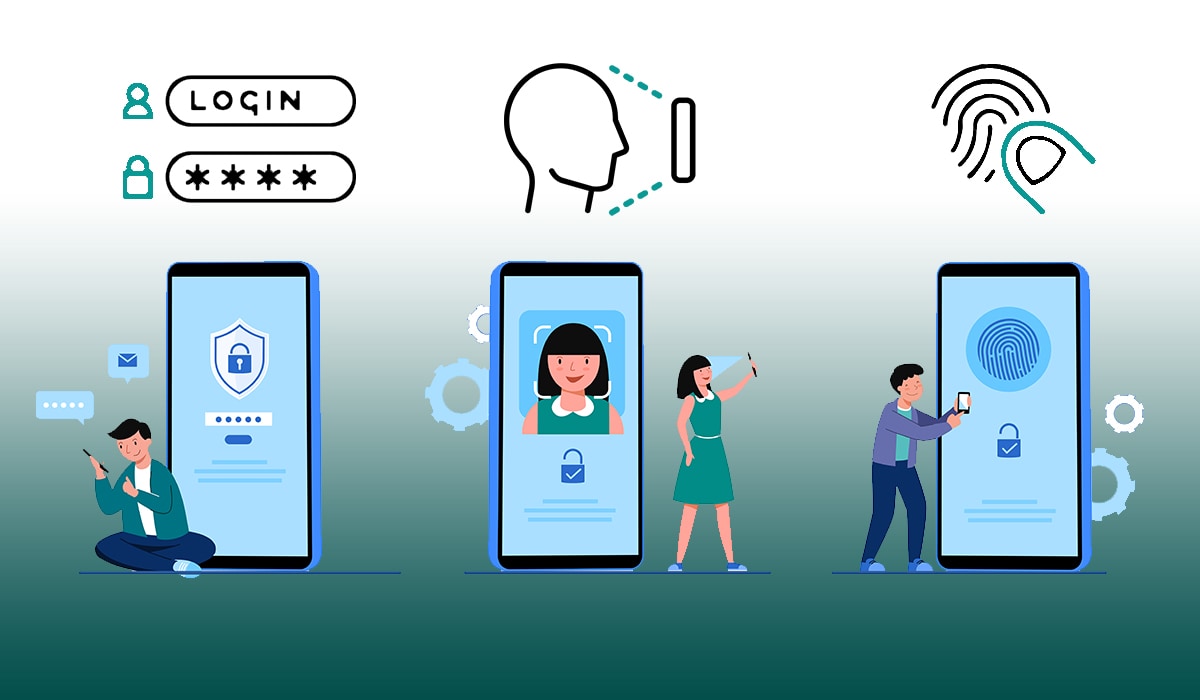
Furthermore, it must offer a clear path for automating patch management through tools like AWS Systems Manager or Azure Update Manager, which are accessible to smaller IT teams without requiring massive engineering headcount.
Compliance requirements for regulated industries
For SMEs operating in finance or healthcare, a cloud security vs cyber security distinction is vital, as the guide must map directly to specific audit standards like SOC 2 Type II, HIPAA, or PCI DSS. A generic guide fails these businesses because it lacks the granular documentation required for an auditor to verify data residency and encryption-at-rest protocols.
To be effective, the guide should include:
- Data Mapping Templates: Step-by-step instructions on identifying where Protected Health Information (PHI) or Cardholder Data (CHD) resides within cloud buckets like Amazon S3 or Azure Blob Storage.
- Encryption Standards: Specific requirements for AES-256 encryption and the management of keys via services like AWS Key Management Service (KMS), which are essential for meeting HIPAA technical safeguards.
- Audit Log Retention: Clear instructions on configuring CloudTrail or Azure Monitor logs to meet the six-year retention requirement often mandated by healthcare regulations, ensuring that small teams do not inadvertently delete evidence required for forensic analysis.
If a guide does not explicitly mention how to configure automated compliance monitoring tools—such as Vanta or Drata—which are industry-standard for SMEs seeking rapid certification, it is likely too theoretical to be of practical use in a high-stakes regulatory environment.
Risk assessment of automated versus manual security controls
Small and medium-sized enterprises (SMEs) often operate with limited IT staff, making the choice between automated security tools and manual oversight a critical strategic decision. Automated controls, such as what is cloud security posture management, provide continuous scanning of cloud environments.
These tools are essential for SMEs that lack a 24/7 Security Operations Center (SOC), as they identify misconfigurations—such as publicly accessible S3 buckets or overly permissive IAM roles—in real-time. Manual controls, conversely, rely on periodic audits and human-led configuration reviews. While manual processes are often perceived as more thorough for niche, proprietary applications, they are prone to human error and cannot keep pace with the rapid deployment cycles of modern cloud-native architectures.
For an SME, the risk of a manual oversight in a complex AWS or Azure environment often outweighs the cost of implementing automated guardrails.
Operational burden of managing automated security alerts
The primary operational challenge for SMEs adopting automated security is alert fatigue. Automated tools frequently flag non-critical issues as high-priority risks, creating a backlog that a small IT team cannot realistically clear.
For example, a vulnerability scanner might trigger an alert for an outdated library in a non-production environment that poses zero risk to customer data. If an SME’s internal team spends hours investigating these false positives, they lose focus on actual threats like credential theft or unauthorized API access. To mitigate this burden, SMEs must implement a tiered alert strategy.
This involves:
- Contextual filtering: Configuring tools to ignore alerts from development environments that do not contain production PII (Personally Identifiable Information).
- Prioritization based on exploitability: Focusing only on vulnerabilities that have a known public exploit, rather than every CVE with a high CVSS score.
- Automated remediation: Using tools that can automatically revert a security group change to a known-good state, reducing the need for manual intervention.
By shifting from a reactive manual review to a policy-driven automated model, SMEs can maintain a robust security posture without requiring a dedicated cloud security engineer salary analysis to justify hiring for every alert generated by their cloud infrastructure.
Decision matrix for infrastructure deployment
Small and medium-sized enterprises (SMEs) often face a binary choice: leveraging integrated native security suites or adopting third-party, platform-agnostic tools. A practical cloud security guide for SMEs suggests prioritizing the former if your team lacks dedicated security engineers, as native tools like AWS Security Hub or Microsoft Defender for Cloud provide immediate, managed visibility without complex API integrations.

For SMEs with hybrid environments, however, third-party solutions such as Wiz or Palo Alto Networks Prisma Cloud offer a unified control plane. These tools allow security teams to enforce consistent policies across multi-cloud setups, preventing the configuration drift that occurs when managing security silos independently.
When evaluating these options, SMEs should weigh the total cost of ownership against the time-to-value, as native tools are typically billed per resource, while third-party enterprise platforms often require significant upfront licensing commitments.
Vendor lock-in risks in security tooling
Relying exclusively on native security features from AWS, Azure, or GCP creates a technical dependency that complicates future migration strategies. If an SME builds its entire identity and access management (IAM) policy around AWS IAM roles, porting those granular permissions to Google Cloud Platform requires a complete architectural rewrite.
This lock-in risk is particularly acute for SMEs that lack the engineering bandwidth to maintain abstraction layers like Terraform or Pulumi for security configurations. To mitigate this, SMEs should adopt a policy of infrastructure-as-code (IaC) for security deployments. By using Terraform, you can define security groups and firewall rules in a platform-agnostic language.
This approach ensures that if your business needs to pivot from Azure to AWS due to pricing changes or service availability, your security posture remains consistent. While native tools offer superior integration speed, maintaining a vendor-neutral IaC repository acts as a critical insurance policy against long-term operational rigidity.
Ultimately, the decision rests on your SME’s growth trajectory. If you anticipate remaining within a single ecosystem for the next 36 months, the native path is the most cost-effective. If your roadmap includes multi-cloud expansion, investing in platform-agnostic tooling now prevents the high technical debt associated with refactoring security policies later.
Operational realities of maintaining security posture
For small and medium-sized enterprises (SMEs), security is often treated as a static checkbox rather than an active process. Maintaining a robust posture requires shifting from annual audits to continuous monitoring, which is feasible even with limited IT staff.
Utilizing automated tools such as Microsoft Defender for Cloud or Wiz allows SMEs to gain visibility into misconfigurations without needing a dedicated 24/7 Security Operations Center (SOC). These platforms provide prioritized alerts, helping lean teams focus on high-risk vulnerabilities like exposed S3 buckets or overly permissive IAM roles.
Incident response readiness for small teams
Bridging the gap between a written security policy and actual threat mitigation requires a simplified, actionable framework. SMEs often fail during incidents because their documentation is too complex to execute under pressure.
To improve readiness, implement these specific tactical steps:
- Define an escalation matrix: Identify exactly who makes the decision to disconnect a compromised server. For an SME, this is usually a CTO or a lead engineer, not an external consultant.
- Automate evidence collection: Use cloud-native logging services like AWS CloudTrail or Google Cloud Logging. Ensure these logs are exported to a separate, immutable storage bucket to prevent attackers from wiping their tracks.
- Conduct tabletop exercises: Run a 30-minute simulation once a quarter. Simulate a ransomware scenario where a single developer account is compromised. Test if your team can revoke access and rotate credentials within 15 minutes.
- Pre-configure communication channels: Establish an out-of-band communication method, such as a secure Signal group or a dedicated Slack channel, that remains functional if the primary corporate email or identity provider is compromised.
The primary constraint for SMEs is not the lack of sophisticated technology, but the lack of time to manage it. By focusing on automated identity management and pre-defined response playbooks, smaller organizations can achieve a security posture that rivals larger competitors without ballooning their operational overhead.
Frequently Asked Questions
Common challenges for SMEs adopting standard security frameworks
SMEs often face ‘compliance fatigue’ when applying enterprise-grade frameworks like NIST SP 800-53, which require dedicated headcount and specialized tooling that may exceed the operational budget of a smaller organization.
Criteria for prioritizing custom security over standard guides
A custom approach is preferable when the SME operates in a niche industry with specific data sovereignty requirements that generic guides do not address, or when the team lacks the resources to maintain full compliance with broad-spectrum standards.


