



Determining if is cloud security a good career depends heavily on your willingness to master complex, fast-evolving infrastructure rather than seeking a simple entry-level role. While the field offers high compensation and long-term stability, it demands a rigorous foundation in traditional IT and a commitment to constant, self-directed learning.
- Average Salary: Often ranges between $120,000 and $180,000 for experienced roles.
- Primary Barrier: Requires deep networking and Linux knowledge before cloud-specific security.
- Core Skillset: Infrastructure as Code (IaC), identity management, and CSP-specific API mastery.
- Growth Outlook: High demand for architects; moderate competition for entry-level analysts.
- Average Salary: Often ranges between $120,000 and $180,000 for experienced roles.
- Primary Barrier: Requires deep networking and Linux knowledge before cloud-specific security.
- Core Skillset: Infrastructure as Code (IaC), identity management, and CSP-specific API mastery.
- Growth Outlook: High demand for architects; moderate competition for entry-level analysts.
The myth of entry-level cloud security accessibility
Cloud security is a high-demand career path, yet it is rarely an entry-level position for IT professionals. While bootcamps often market the field as a quick transition for beginners, the reality requires a deep understanding of complex systems that cannot be learned in a short course.
Prerequisite experience in infrastructure and networking
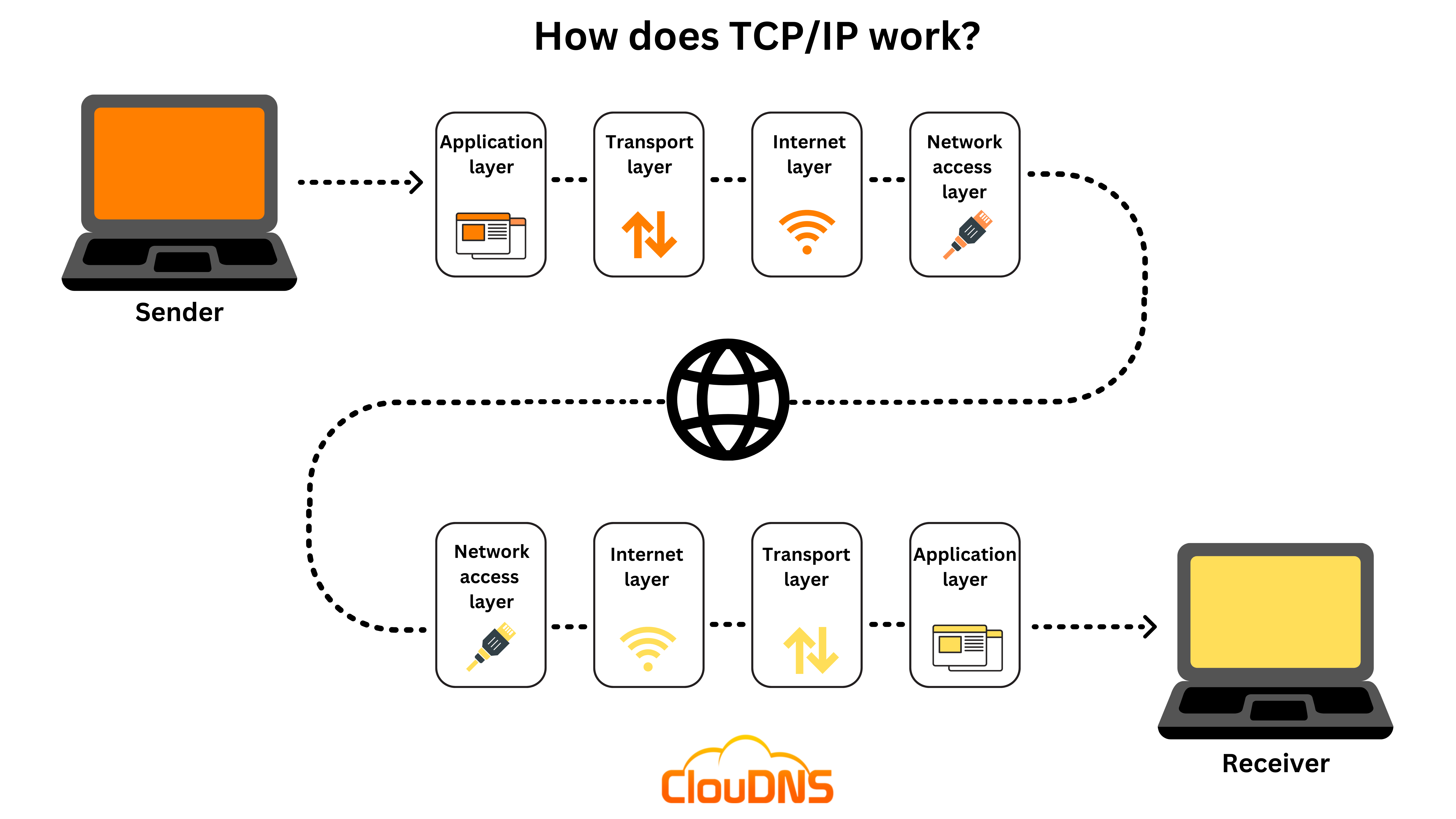
Before specializing in cloud security, professionals must master the fundamentals of traditional IT infrastructure. You cannot secure what you do not understand; therefore, proficiency in Linux administration, TCP/IP networking, and on-premise server management is mandatory. Cloud environments are essentially virtualized versions of these traditional systems, and without a grasp of how a packet travels through a firewall or how a kernel manages permissions, cloud security tools remain abstract and difficult to configure correctly.
Operational Realities: Is Cloud Security a Good Career?
The daily life of a cloud security engineer involves far more than high-level strategy or salary negotiations. It is a role defined by constant technical vigilance, where you are responsible for managing identity access, monitoring logs for anomalies, and ensuring that automated deployments do not introduce vulnerabilities into the production environment.
Constant adaptation to CSP-specific ecosystems
Mastering general security principles is only the beginning. A cloud security expert must navigate the distinct, rapidly evolving ecosystems of major Cloud Service Providers (CSPs) like AWS, Azure, and Google Cloud. For instance, managing AWS IAM policies requires a different mental model and syntax than configuring Azure Policy or Google Cloud Armor. You are not just learning security; you are learning the proprietary configuration languages and security APIs of specific platforms, which change frequently.
Stability factors in cloud security career paths
This field offers immense job security due to the global migration to cloud infrastructure, but it demands a high tolerance for continuous change. The tension lies in the fact that while the demand for cloud security is stable, the specific technical skills required to perform the job have a short shelf life. If you are looking for a career where you can master a set of tools and stop learning, this is not the right path.
The cycle of continuous certification and learning
Maintaining relevance in cloud security requires a commitment to ongoing education. Professionals must dedicate significant time each year to recertification and hands-on testing of new platform features. This is not merely about passing exams; it is about staying ahead of the shifting threat landscape where misconfigurations are the primary cause of data breaches. Expect to spend at least 5 to 10 hours per week on technical research and lab practice just to keep pace with CSP updates.
Economic factors and compensation expectations
Compensation in cloud security is significantly higher than in general IT roles, often reflecting the scarcity of professionals who possess both deep networking knowledge and cloud-native security expertise. However, the cost of entry is high, both in terms of the time required to gain foundational experience and the financial investment in specialized training and certification programs.
Market demand versus specialized niche saturation
There is a clear distinction between general security roles and highly compensated cloud architecture security positions. While entry-level security analyst roles may face competition, there is a persistent shortage of senior-level cloud security architects who can design secure-by-default infrastructure. Focusing on architecture and automation—rather than just monitoring—is the most reliable way to ensure long-term career growth and higher salary potential.
Key considerations for career progression
To succeed in this field, you must balance theoretical knowledge with practical application. Consider the following progression path:
- Phase 1: Gain 2-3 years of experience in systems administration or network engineering.
- Phase 2: Obtain foundational cloud certifications (e.g., AWS Solutions Architect Associate).
- Phase 3: Transition into security-focused roles by mastering IaC tools like Terraform or Pulumi.
- Phase 4: Specialize in cloud-native security tools (e.g., Prisma Cloud, Wiz, or native CSP security suites).
By following this structured approach, you mitigate the risk of being underprepared for the high-pressure environment of cloud security operations.
Frequently Asked Questions
Comparison between cloud security and traditional cybersecurity
It is often considered more complex because it requires knowledge of both traditional network security and the specific, fast-changing APIs and configuration models of cloud service providers.
Coding requirements for cloud security engineers
Yes, proficiency in scripting languages like Python or Go is essential for automating security policies and interacting with cloud infrastructure as code (IaC) tools.
Recommended cloud security certifications for beginners
The AWS Certified Security – Specialty or the CCSP (Certified Cloud Security Professional) are highly regarded, though they are best pursued after gaining foundational cloud knowledge.
Growth trajectory of the cloud security field
Yes, as organizations continue to migrate sensitive data to the cloud, the demand for professionals who can secure these environments continues to outpace supply.
Distinctions between cloud security and network security
Network security focuses on protecting the perimeter and traffic flow of physical or virtual networks, while cloud security encompasses identity management, data encryption, and platform-specific configuration across the entire cloud stack.
Operational mechanisms of cloud security
It works through a shared responsibility model where the provider secures the underlying infrastructure, and the user is responsible for securing their data, identity access, and configurations within that environment.


