



Indicators of compensation misalignment
A cloud security engineer salary often fluctuates based on regional demand, specific cloud provider certifications, and the size of the organization’s infrastructure. Discrepancies arise when market-wide salary surveys fail to account for the nuance of specialized roles, such as those requiring deep expertise in multi-cloud governance or zero-trust architecture.
Professionals frequently find that their compensation does not align with industry averages because employers often prioritize legacy IT experience over modern cloud-native security skill sets.
Market data versus internal pay bands
Reconciling public salary surveys with specific company budget constraints requires a granular approach to valuation. Public reports from platforms like Levels.fyi or Glassdoor often aggregate data across broad geographic regions and varying seniority levels, which can inflate or deflate expectations for a niche role.
To bridge this gap, engineers should evaluate their total compensation package against three specific internal benchmarks:
- Technical Stack Complexity: Roles requiring proficiency in both AWS and Azure, alongside Kubernetes security (K8s), command a premium that generic top cloud security tools surveys often overlook.
- Regulatory Compliance Burden: Positions involving high-stakes frameworks like FedRAMP, SOC2, or HIPAA necessitate a higher salary due to the increased legal and operational risk associated with the role.
- Company Revenue Tiers: Startups often offer lower base salaries but higher equity stakes, while enterprise-level firms emphasize base pay and performance bonuses.
When internal pay bands appear stagnant compared to market data, the discrepancy is usually linked to the company’s internal leveling system. Many firms utilize rigid job architecture that does not distinguish between a standard security analyst and a cloud security engineer.
To address this, candidates should present evidence of cost-saving measures they have implemented, such as automating incident response or reducing cloud egress costs through hardened network policies. Mapping these tangible business outcomes to the company’s bottom line provides a stronger basis for salary negotiation than relying solely on external market averages.
Technical skill premiums affecting cloud security engineer salary
Compensation for cloud security engineers is rarely uniform, as specific technical proficiencies act as direct multipliers for base salary. Employers prioritize candidates who demonstrate mastery over complex infrastructure-as-code (IaC) security, container orchestration, and automated threat detection.
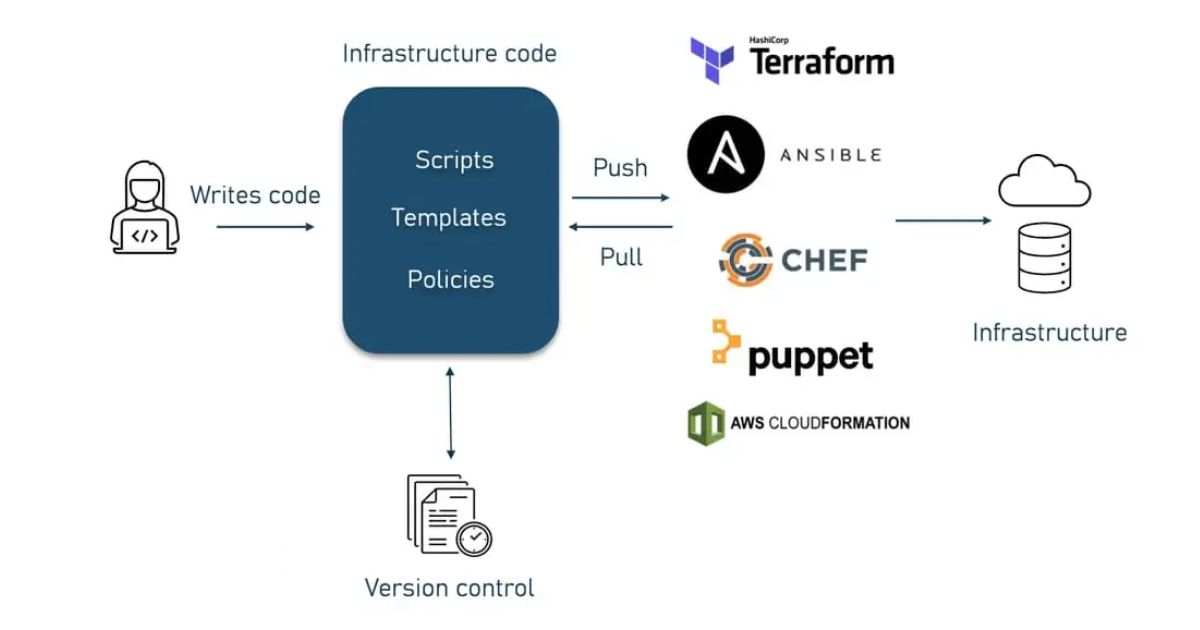
Engineers capable of integrating security directly into CI/CD pipelines often command a 15% to 25% premium over generalist cloud administrators due to the high demand for proactive risk mitigation.
Certification ROI analysis: Evaluating the tangible impact of AWS, Azure, and GCP certifications on base pay
Professional certifications serve as a standardized benchmark for technical competency, though their impact on salary varies by platform and seniority. Data from current market reports indicate that holding an expert-level certification, such as the AWS Certified Security – Specialty or the Google Professional Cloud Security Engineer, can correlate with a salary increase of $8,000 to $12,000 annually.
These credentials provide immediate validation of a candidate’s ability to manage platform-specific identity management, encryption services, and logging configurations. However, the return on investment diminishes if the certification is not paired with hands-on experience in multi-cloud environments, as employers increasingly value the ability to manage heterogeneous architectures over platform-specific proficiency alone.
Specialized security domain impact: DevSecOps and IAM expertise commanding higher market rates
Market rates for cloud security roles are heavily influenced by the scarcity of talent in niche domains like Identity and Access Management (IAM) and cloud security vs devsecops. IAM is the cornerstone of cloud security; engineers who can architect zero-trust frameworks and manage complex cross-account permission models are currently among the highest-paid professionals in the sector.
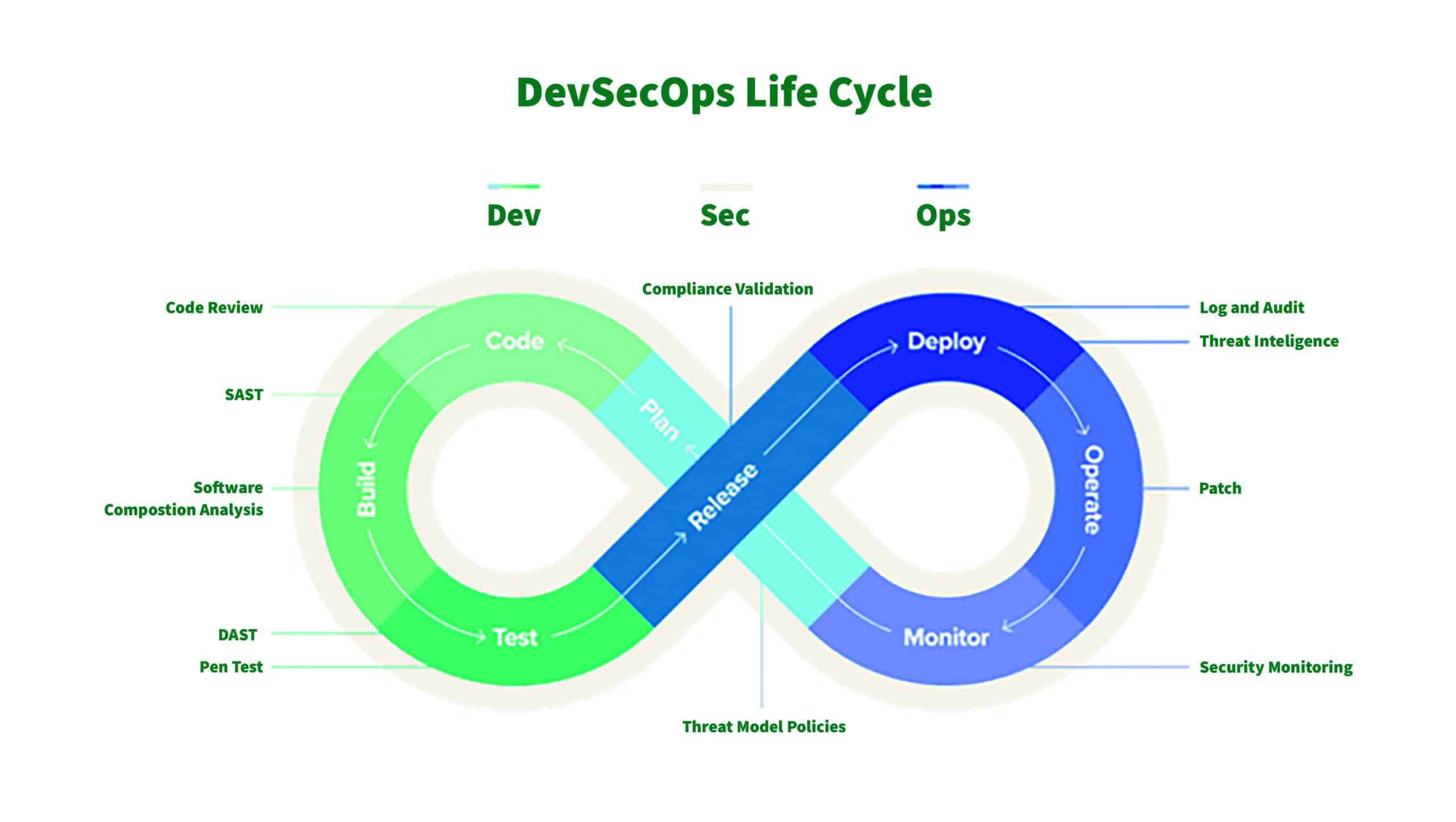
Organizations are willing to pay a premium for these individuals because a single misconfiguration in IAM can lead to catastrophic data breaches. Similarly, DevSecOps specialists who implement automated security testing and policy-as-code within agile environments reduce operational overhead significantly.
By automating compliance checks and vulnerability scanning, these engineers directly impact the bottom line, justifying salary bands that often exceed $160,000 in major tech hubs, compared to the $120,000 average for broader cloud security roles.
Geographic and remote work compensation adjustments
Cloud security engineer salary figures fluctuate significantly based on regional cost-of-living indices and local talent density. In major technology hubs like San Francisco or New York, base salaries often command a premium of 20% to 35% compared to national averages to account for high housing and operational costs.
Conversely, engineers operating in lower-cost regions may see lower base pay, though this gap is narrowing as global competition for specialized cybersecurity talent intensifies.
Remote work salary normalization
The transition toward distributed teams has forced a shift from location-based to value-based compensation models. Many firms have moved away from tying pay strictly to the employee’s physical zip code, opting instead for a unified national or international pay scale.
This approach prioritizes the engineer’s technical proficiency, certifications—such as the AWS Certified Security or CISSP—and their ability to manage complex cloud infrastructure over their proximity to a physical office.
Despite this shift, some organizations maintain a hybrid compensation structure. These companies often utilize a tiered system where salaries are adjusted based on the cost of labor in the employee’s primary residence.
For example, an engineer working remotely from a Tier-1 city may still receive a higher base salary than a peer in a Tier-3 location, even if their responsibilities are identical. This model aims to balance internal equity with the economic realities of different labor markets.
When evaluating job offers, candidates should clarify whether the company employs a location-agnostic pay policy. A value-based model generally favors high-performing engineers in lower-cost areas, as their compensation is pegged to the market rate for their skills rather than local economic factors.
Conversely, those in high-cost areas may find that location-agnostic policies lead to a stagnation in salary growth relative to local inflation. Understanding these nuances is critical for engineers aiming to maximize their total compensation package in a remote-first landscape.
Strategic negotiation for cloud security roles
Securing a competitive cloud security engineer salary requires moving beyond generic market averages and focusing on the specific value you bring to an organization’s risk posture. Employers often anchor compensation to broad regional data, but they are frequently willing to exceed these ranges for candidates who demonstrate a direct impact on reducing operational overhead or preventing costly security incidents.
Leveraging technical project outcomes
To justify a higher compensation package, you must translate your technical achievements into quantifiable business metrics. Instead of stating that you managed a cloud environment, present data on how your implementation of automated security guardrails reduced the mean time to remediation (MTTR) for critical vulnerabilities.
For example, if you migrated a legacy infrastructure to a zero-trust architecture using tools like HashiCorp Vault or AWS IAM Access Analyzer, document the reduction in unauthorized access attempts or the decrease in compliance audit preparation time.
When preparing for a salary discussion, build a “value dossier” that highlights specific outcomes:
- Cost Optimization: Detail how you optimized cloud spending by identifying and decommissioning underutilized security resources or reducing data egress costs through improved network segmentation.
- Incident Prevention: Provide evidence of how your deployment of what is cloud security posture management tools, such as Wiz or Palo Alto Prisma Cloud, identified misconfigurations before they could be exploited by external actors.
- Automation Efficiency: Quantify the number of manual security tasks you automated using Infrastructure as Code (IaC) templates like Terraform or CloudFormation, effectively saving the engineering team hundreds of hours annually.
Negotiation success often hinges on the ability to frame your expertise as a risk-mitigation asset rather than a standard operational cost. When presenting your requirements, reference specific certifications—such as the CCSP or AWS Certified Security Specialty—only as foundational elements, and pivot immediately to how these credentials allowed you to lead high-stakes projects.
By shifting the conversation from your base salary expectations to the return on investment (ROI) you generate for the company, you create a stronger leverage point for securing a premium compensation package.
Frequently Asked Questions
Factors contributing to the wide range in cloud security engineer salary data
The variance is primarily driven by the specific cloud provider ecosystem (AWS, Azure, GCP), the requirement for specialized certifications like CISSP or CCSP, and whether the role involves high-stakes compliance environments like fintech or healthcare. For those looking to enter the field, exploring a free cloud security certification can be a great starting point.
Impact of certifications on cloud security engineer salary expectations
Certifications act as a baseline filter for HR departments. While they rarely guarantee a specific salary, holding advanced credentials like the AWS Certified Security – Specialty or Google Professional Cloud Security Engineer can increase leverage during negotiations by proving verified technical competency.
- Cloud Security evaluation criteria for enterprise infrastructure
- Is Cloud Security a good career? Realities for technical professionals
- Cloud security posture management realities beyond the automation myth
- Evaluation framework for top cloud security tools in enterprise infrastructure


