



Baseline competency provided by free cloud security certification
Obtaining a free cloud security certification serves as a foundational validation of technical proficiency without the financial barrier of traditional vendor-locked examinations. Programs like the ISC2 Certified in Cybersecurity (CC) offer a zero-cost entry point for candidates, covering essential security principles that apply across AWS, Azure, and Google Cloud Platform environments.
These credentials demonstrate to employers that a candidate understands the shared responsibility model, which is the cornerstone of cloud infrastructure security.
Core curriculum coverage
Free certification pathways prioritize vendor-neutral frameworks, ensuring the skills acquired are transferable regardless of the specific cloud provider in use. The curriculum typically focuses on three technical pillars:
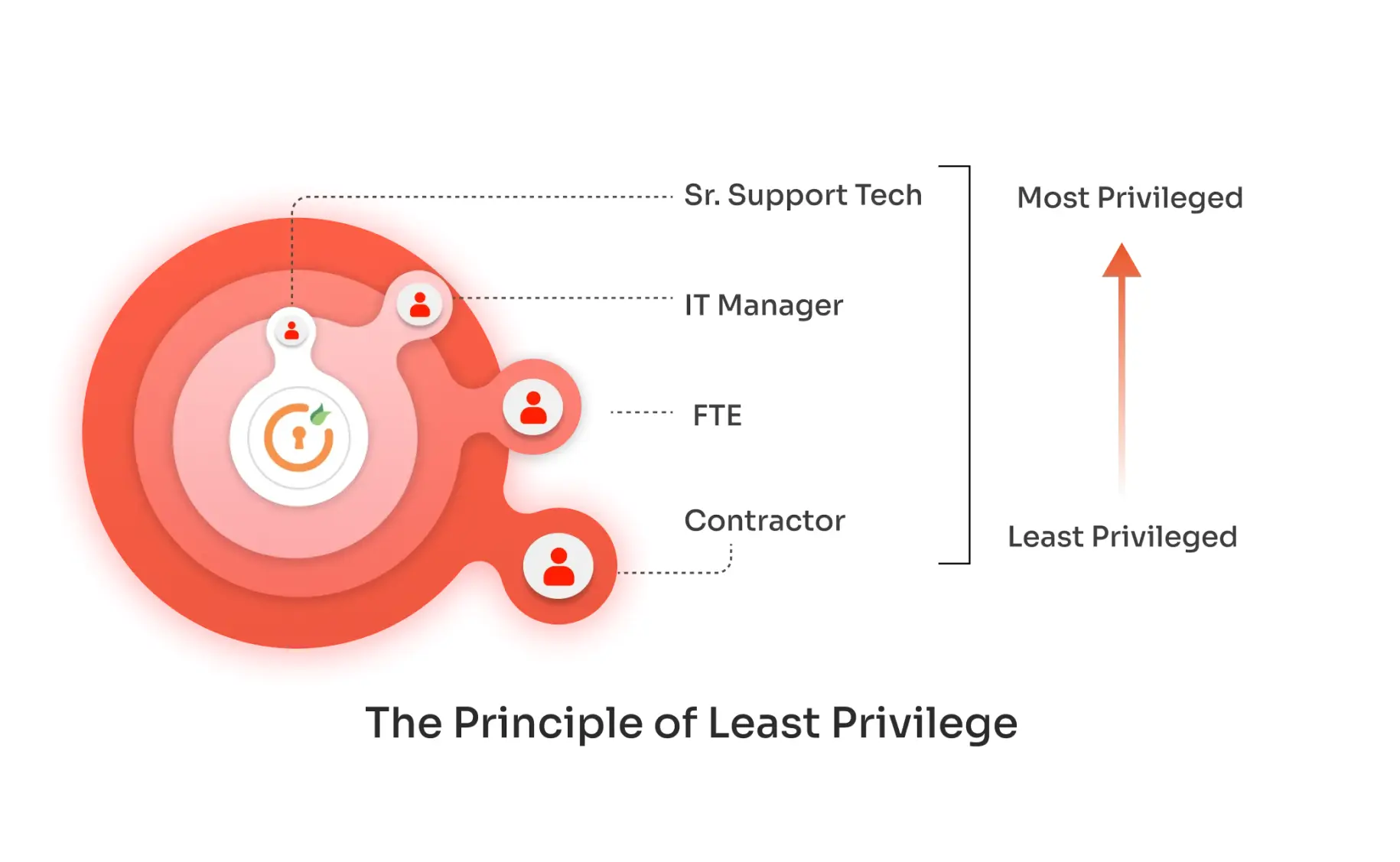
- Identity and Access Management (IAM): Training emphasizes the principle of least privilege (PoLP), multi-factor authentication (MFA) implementation, and the management of service accounts to prevent unauthorized lateral movement within a cloud tenant.
- Data Encryption Standards: Learners are introduced to the practical application of AES-256 for data at rest and TLS 1.3 for data in transit. The coursework highlights the distinction between customer-managed keys (CMK) and provider-managed keys in environments like AWS Key Management Service (KMS).
- Network Security Architecture: Content covers the configuration of Virtual Private Clouds (VPCs), the deployment of Security Groups as stateful firewalls, and the monitoring of ingress/egress traffic via Network Access Control Lists (NACLs).
By mastering these concepts, professionals establish a baseline competency that aligns with entry-level roles such as Cloud Security Analyst or Junior SOC Engineer, influencing their potential cloud security engineer salary.
They provide a measurable metric for recruiters to verify a candidate’s grasp of fundamental threat mitigation strategies.
Case study of a junior engineer utilizing free credentials
Consider the trajectory of a junior cloud engineer who leveraged the AWS Cloud Practitioner Essentials or the Google Cloud Digital Leader learning paths to secure an entry-level role. By completing these specific free cloud security certification modules, the candidate demonstrated a baseline understanding of Shared Responsibility Models—a core concept taught in these free-tier curricula.
During a technical assessment, this candidate was able to correctly identify that while AWS manages the security of the cloud, the customer remains responsible for security in the cloud, specifically regarding identity and access management (IAM) configurations and data encryption. This knowledge was not theoretical.
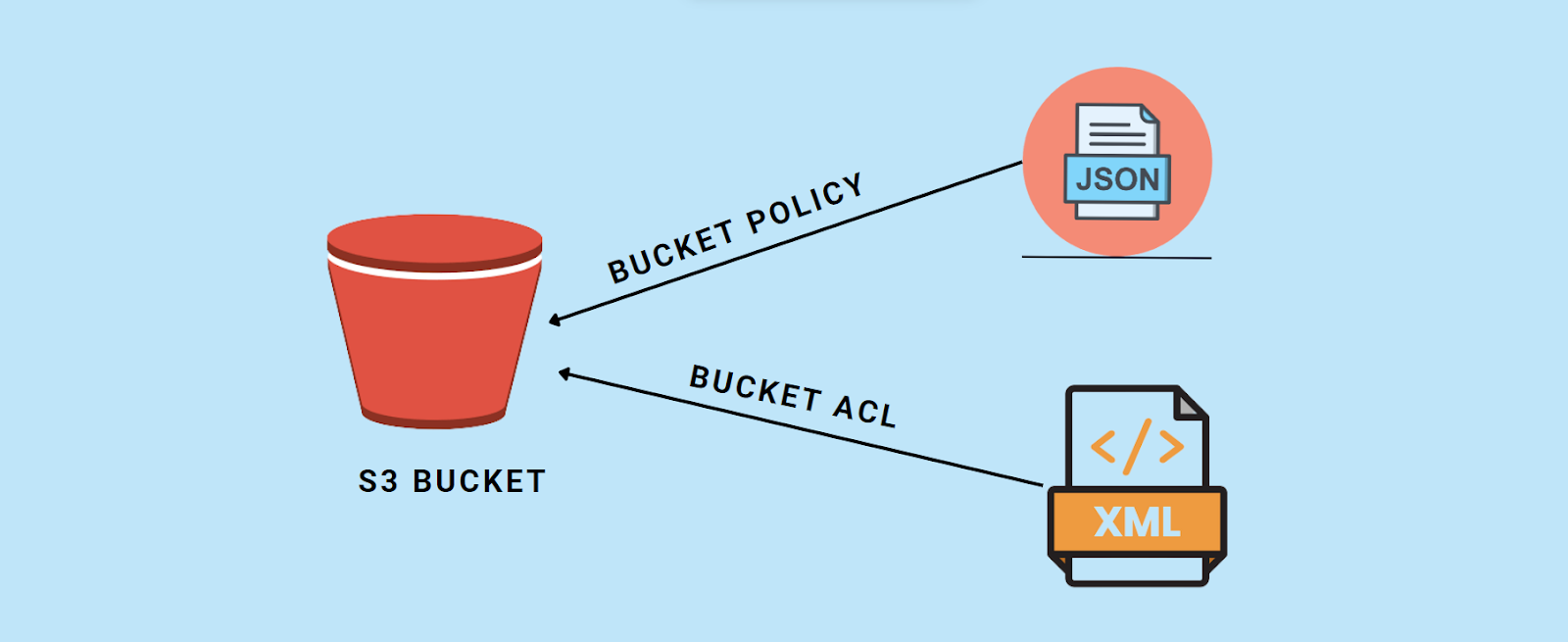
The engineer applied the principle of least privilege by configuring an S3 bucket policy using the AWS Policy Generator, a tool highlighted in the free training modules. By documenting this process in a GitHub repository, the candidate provided tangible proof of competence that bypassed the need for expensive, paid-for bootcamps.
Hiring manager perspective on evaluating free certifications during screening
Technical leads often view free cloud security certification credentials as a litmus test for self-motivation rather than a guarantee of advanced expertise. When reviewing a resume, a hiring manager looks for the ability to translate free, foundational knowledge into practical application.
A certification from a major provider like Microsoft Learn or the ISC2 Certified in Cybersecurity (CC) program signals that the applicant has successfully navigated official documentation and standardized security frameworks. During screening, leads prioritize candidates who can articulate the limitations of these free credentials.

A strong candidate acknowledges that while a free course provides the vocabulary and conceptual framework, it does not replace the hands-on experience gained through building projects in a sandbox environment. Managers look for specific evidence of this, such as:
- Experience implementing Multi-Factor Authentication (MFA) across root and IAM user accounts.
- Familiarity with native logging tools like AWS CloudTrail or Google Cloud Audit Logs, which are covered in introductory free modules.
- The ability to explain common attack vectors, such as misconfigured permissions, which are standard curriculum items in free security-focused training.
Ultimately, hiring managers value the initiative required to seek out and complete these free resources. It indicates that the candidate is capable of independent learning, a critical trait in a field where security protocols and cloud services evolve monthly.
Identifying the gap between theory and production environments
Earning a free cloud security certification often provides a structured foundation, yet these programs frequently rely on idealized scenarios that omit the complexities of live infrastructure. While platforms like Google Cloud Skills Boost or AWS Educate offer no-cost pathways to foundational knowledge, the transition from passing a multiple-choice exam to managing a production environment involves significant technical friction.
You must recognize that theoretical mastery of Identity and Access Management (IAM) policies in a sandbox does not account for the legacy technical debt or the “permission creep” common in enterprise environments, which are key concerns for cloud security posture management.
Limitations in lab-based assessments
Lab-based assessments provided by free certification tracks typically utilize sandboxed environments where resources are pre-configured. These simulations allow you to practice applying security groups or bucket policies in a controlled, error-free setting. However, they lack the noise and unpredictability of real-world multi-cloud architectures.
In a production environment, you are not just managing a single provider; you are often dealing with cross-cloud connectivity, such as an AWS VPC peering with an Azure VNet, which introduces latency and security handshake complexities not covered in entry-level free labs. Furthermore, free certifications rarely force you to troubleshoot “broken” production systems under pressure.
Real-world security operations involve dealing with misconfigured Terraform scripts that accidentally expose S3 buckets or CI/CD pipelines that inject hardcoded secrets into container images. While a free credential validates your understanding of the principles of the Shared Responsibility Model, it does not simulate the political or operational constraints of a corporate environment.
For instance, you might know how to implement a Least Privilege policy, but in practice, you will face pushback from DevOps teams whose deployment speed is hindered by your security controls. Bridging this gap requires moving beyond the provided sandbox to build your own multi-cloud environment using free-tier credits, where you can intentionally break and fix configurations to understand the actual impact of security failures.
Strategic integration of free cloud security certification into a career roadmap
Securing a free cloud security certification, such as the ISC2 Certified in Cybersecurity (CC) or various entry-level badges from AWS and Google Cloud, serves as a foundational milestone rather than a terminal goal. To maximize the return on these zero-cost credentials, professionals must map them against specific technical gaps, especially when considering a cloud security career path.
For example, if your certification covers identity and access management (IAM), prioritize applying those principles to real-world environments immediately to prevent skill atrophy. Treat these certifications as verified proof of baseline knowledge that allows you to bypass initial HR screening filters, provided you can back them up with tangible project work.
Building a portfolio with open-source tools
Theoretical knowledge gained from free certification programs often lacks the nuance of production-level security operations. To bridge this divide, use open-source security tools to demonstrate practical competency. Start by deploying CloudSplaining to identify over-privileged IAM policies in a sandbox AWS account.
By generating a report and documenting how you remediated specific security risks, you create a portfolio piece that proves you can do more than just pass an exam. Similarly, integrate Prowler into your workflow to run CIS Benchmark assessments against your cloud infrastructure.
Instead of simply listing your certification on a resume, include a link to a GitHub repository containing your Prowler scan results and your subsequent hardening steps. This approach transforms a free credential into a verified demonstration of your ability to manage cloud security posture. Employers value the initiative shown in using professional-grade open-source tools to secure environments, as it signals a proactive mindset that paid, classroom-based training often fails to cultivate.
Focus your efforts on documenting the ‘why’ behind your security configurations. When you use these tools to close a security gap, write a brief technical summary explaining the vulnerability, the tool used for detection, and the specific remediation strategy. This documentation serves as a practical extension of your free certification, providing concrete evidence of your technical proficiency to potential hiring managers.
Professional experience versus free cloud security certification
A free cloud security certification serves as a foundational validation of your theoretical knowledge, but it does not function as a substitute for professional experience. Hiring managers in cybersecurity prioritize the ability to troubleshoot live environments over the possession of entry-level badges.
While platforms like Google Cloud Skills Boost or the AWS Educate program offer free modules that culminate in digital badges, these credentials prove you have completed a guided curriculum rather than demonstrating your ability to mitigate an active data breach or configure complex IAM policies under pressure.
Reality of entry-level requirements
The cybersecurity job market demands a blend of credentials and tangible output. When you rely solely on free certifications, you face a significant gap in your portfolio. To bridge this, you must translate the concepts learned in free courses into personal projects that mimic real-world infrastructure.
For instance, if you completed a free training module on AWS Identity and Access Management, you should document a project on GitHub where you successfully implemented the principle of least privilege across a multi-account environment using Terraform or CloudFormation. Employers look for specific technical artifacts that prove your competence.
Instead of listing a free certification as your primary qualification, use it as a starting point to build a lab environment. You can utilize the free tiers of providers like Oracle Cloud or Microsoft Azure to host a web application and then document how you secured it against common vulnerabilities like SQL injection or cross-site scripting. This approach provides concrete evidence of your skills.
When you present this work in an interview, you shift the conversation from what you read in a free course to how you solved a specific security challenge. Relying on free resources is a smart financial strategy, but your career trajectory depends on your ability to apply those lessons to production-grade systems where security misconfigurations carry actual business risk.
Frequently Asked Questions
Employer valuation of free versus paid certification alternatives
Employers typically view free certifications like the ISC2 Certified in Cybersecurity (CC) as a baseline indicator of foundational knowledge. While they do not replace advanced, paid certifications like the CISSP or AWS Certified Security – Specialty, they serve as a verified entry point for candidates to demonstrate commitment to security principles.
Limitations of relying solely on free cloud security training
Free programs often lack the hands-on lab environments and deep-dive architectural scenarios found in paid professional certifications. They are designed to teach concepts rather than complex troubleshooting, meaning they may not fully prepare a candidate for high-stakes incident response roles.


