



Distinguishing between capital gains and ordinary income
The tax treatment of tokenized dividends and yield depends primarily on whether the distribution is classified as a return on investment or a realization of profit from an underlying asset. In many jurisdictions, including the United States under IRS guidance, tokenized dividends are viewed as taxable events at the moment of receipt.
If the token represents an equity interest in a traditional security, the dividend is typically taxed as ordinary income or qualified dividend income, depending on the holding period and the nature of the issuer. Understanding the tax implications of tokenized assets is essential for investors navigating these complex distributions.
Mechanisms of dividend characterization
Tokenized dividends often mirror traditional equity taxation because the underlying smart contract is designed to replicate the legal rights of a shareholder. When a protocol distributes a portion of its revenue to token holders, tax authorities evaluate the legal substance of the token.
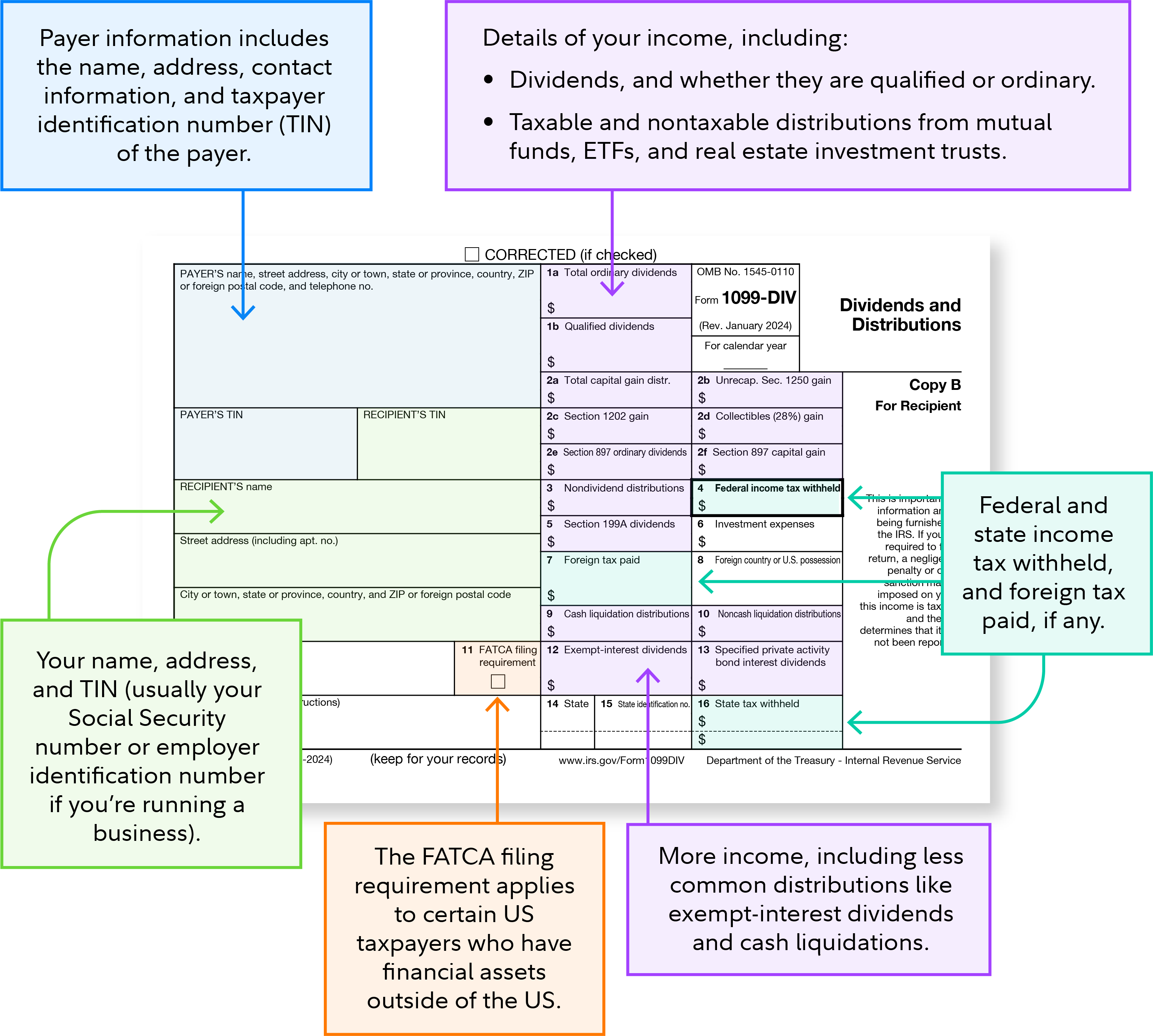
If the token grants the holder a pro-rata share of corporate earnings, the distribution is treated as a dividend. Investors must track the fair market value of the token at the exact time of distribution to calculate their tax liability. Unlike traditional brokerage accounts that provide 1099-DIV forms, decentralized protocols often lack automated tax reporting. This places the burden of calculation on the individual investor using tools like Koinly or CoinTracker to reconcile on-chain transaction logs.
Yield generation as interest income
Yield generation differs from equity-based dividends because it often functions as a service fee or interest payment rather than a distribution of corporate profit. Staking rewards, where a user locks tokens to secure a network, are generally treated as ordinary income upon receipt. The tax basis of these tokens is their fair market value at the time the reward is earned.
Conversely, protocol-based yield—such as liquidity provider fees in an Automated Market Maker (AMM)—is frequently categorized as business income or interest. A critical distinction exists here: interest income is taxed at the investor’s marginal tax rate, whereas capital gains on tokenized securities are taxed at potentially lower rates. Investors must carefully document the source of their yield to avoid misclassifying interest as capital gains, which could trigger audits or penalties during tax filing.
Reporting challenges for tax treatment of tokenized dividends and yield
The digitization of traditional financial assets through blockchain technology has outpaced existing tax reporting frameworks. Investors receiving tokenized dividends often face ambiguity regarding whether these distributions qualify as ordinary income, capital gains, or return of capital. For those unsure about their specific situation, reviewing tokenized assets vs traditional assets tax comparison guides can provide much-needed clarity.
Because smart contracts automate these payments, the timing of income recognition often conflicts with traditional tax year reporting requirements. This leads to potential discrepancies between on-chain activity and tax filings.
Cost basis tracking in volatile markets
Establishing a precise cost basis for tokenized yield is complicated by the high frequency of automated distributions. Unlike traditional brokerage statements that provide consolidated 1099-B forms, decentralized protocols often issue yield in fractional amounts at irregular intervals.
If an investor receives yield in a volatile asset, they must record the fair market value of the token at the exact moment of receipt to calculate their cost basis. Manually tracking these events across multiple wallets is prone to error, especially when yield is auto-compounded back into the protocol. Investors should utilize best crypto tax software for tokenized assets to ingest API data from smart contracts, which helps automate the conversion of on-chain transaction hashes into standardized fiat-denominated tax logs.
Cross-border withholding tax complexities
Token issuers operating on a global scale face significant hurdles in applying appropriate withholding taxes to yield distributions. In traditional finance, intermediaries like custodians manage withholding obligations based on the investor’s tax residency.
In a decentralized environment, the issuer may lack the necessary Know Your Customer (KYC) data to determine the correct treaty rate for a specific holder. This creates a risk of double taxation, where the issuer may default to a maximum withholding rate regardless of the investor’s actual jurisdiction.
Furthermore, the lack of standardized reporting protocols between decentralized autonomous organizations (DAOs) and national tax authorities means that investors often bear the burden of proving that withholding has already occurred. Without clear guidance on how to claim foreign tax credits for automated on-chain deductions, many token holders struggle to reconcile their global tax liabilities effectively.
Diagnostic indicators of non-compliant tax reporting
Tax authorities increasingly utilize blockchain analytics firms like Chainalysis and Elliptic to cross-reference public ledger data against self-reported income. When the tax treatment of tokenized dividends and yield is mischaracterized, automated flagging systems often trigger audits.
Discrepancies typically arise when taxpayers treat yield-bearing tokens as capital assets rather than income-generating instruments, or when they fail to account for the specific timing of dividend distributions on-chain.
Mismatch between wallet activity and tax filings
The core risk in reporting tokenized assets lies in the divergence between actual on-chain events and traditional accounting ledgers. Many investors treat the receipt of a tokenized dividend as a non-taxable event until the token is sold.
However, tax jurisdictions often classify the receipt of yield as ordinary income at the moment of distribution, regardless of whether the asset is converted to fiat. Failure to reconcile these events leads to significant reporting gaps. To mitigate these risks, taxpayers should focus on three diagnostic indicators that signal potential non-compliance:
- Timing Discrepancies: Reporting income based on the date of withdrawal to a centralized exchange rather than the date of smart contract execution.
- Characterization Errors: Labeling yield as capital gains when the underlying mechanism functions as a dividend or interest payment, which may be subject to different tax rates.
- Cost Basis Omissions: Failing to track the acquisition cost of tokens used to generate yield, leading to incorrect calculations when those tokens are eventually liquidated or swapped.
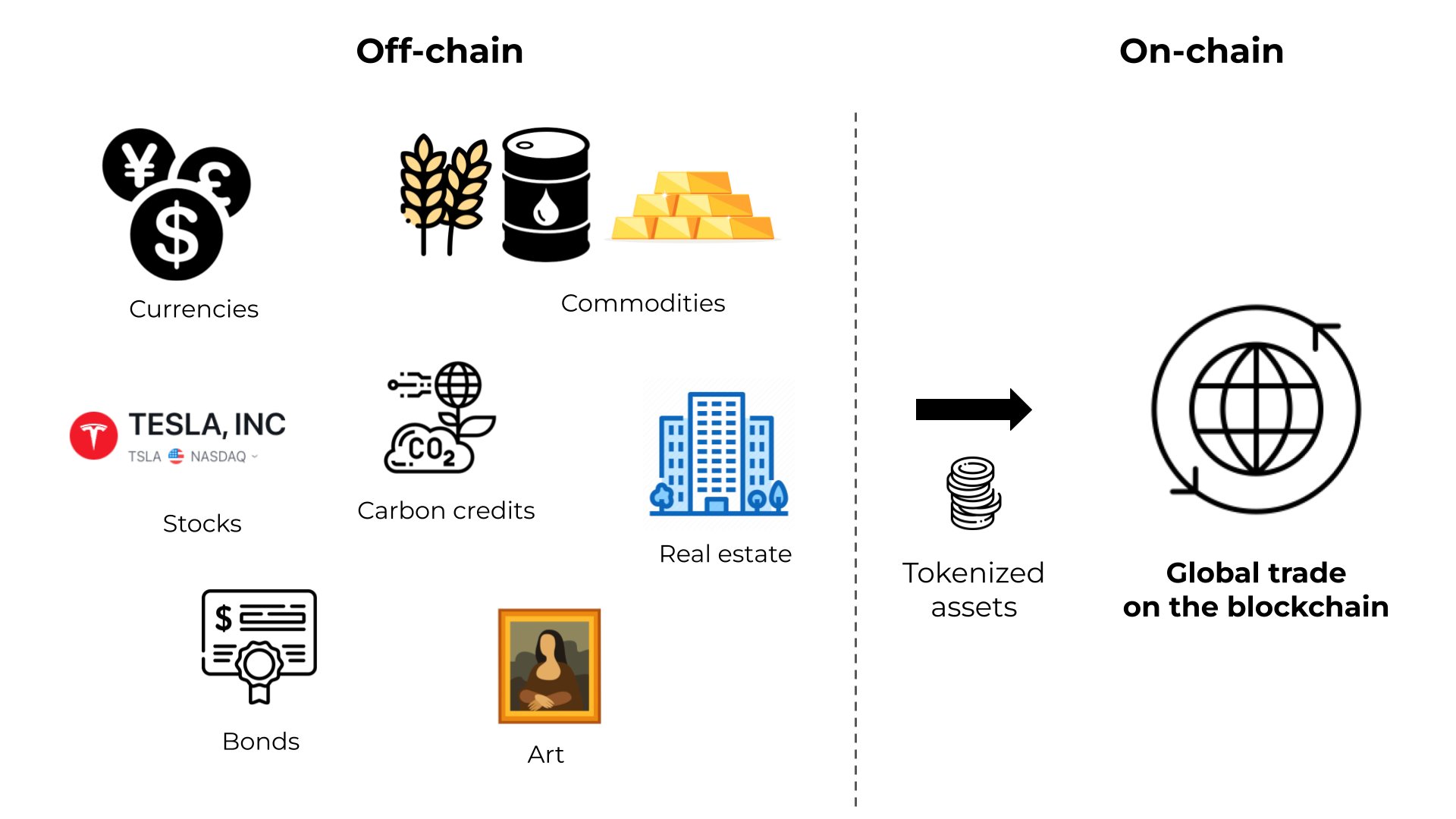
Effective reconciliation requires mapping each wallet transaction to a specific tax category. If a wallet shows a steady inflow of tokens from a staking contract or a real-world asset (RWA) protocol, these must be recorded as taxable events at their fair market value (FMV) at the time of receipt.
Relying solely on year-end exchange statements is insufficient, as these documents rarely capture the granular activity occurring within decentralized finance (DeFi) protocols or private tokenized dividend distributions. Investors should maintain a dedicated ledger that timestamps every yield event, ensuring that the reported income aligns with the block height and transaction hash recorded on the blockchain.
Strategic adjustments for accurate tax documentation
Managing the tax treatment of tokenized dividends and yield requires moving beyond traditional spreadsheet tracking. Because blockchain transactions are immutable and high-frequency, manual reconciliation often fails to capture the precise cost basis at the moment of distribution.
Investors and institutions must adopt systems that treat each yield event as a distinct taxable transaction, accounting for the fair market value in fiat currency at the exact timestamp of receipt. Learning how to calculate cost basis for tokenized assets is a fundamental step in ensuring your portfolio remains compliant.
Implementing automated sub-ledger systems
To maintain compliance, taxpayers should integrate specialized crypto-accounting software like Bitwave, Cryptio, or Rotki. These platforms connect directly to wallet addresses via API or public keys to pull granular data.
Unlike manual entry, these sub-ledger systems automatically categorize incoming tokens as either interest, dividends, or capital gains based on the underlying protocol logic. By mapping specific smart contract addresses to income categories, users can generate audit-ready reports that distinguish between return of capital and taxable yield distributions, reducing the risk of double taxation or misclassification.
Documentation requirements for protocol-level yield
During an audit, tax authorities demand verifiable proof of the source and valuation of digital assets. Simply showing a wallet balance is insufficient.
Taxpayers must maintain a comprehensive audit trail that includes the transaction hash, the specific smart contract address, and the protocol’s whitepaper or terms of service that define the nature of the yield. If the protocol operates as a decentralized autonomous organization (DAO), documentation should explicitly link the tokenized dividend to a governance-approved distribution event.

For yield generated through liquidity provision or staking, retain records of the specific liquidity pool tokens (LP tokens) held and the duration of the lock-up period. This evidence is critical for justifying why certain receipts were treated as ordinary income versus capital gains, providing a clear defense if the tax authority challenges the characterization of the asset movement. If you find yourself in a position where you must exit a position, understanding the tax consequences of tokenized asset liquidation is vital to avoid unexpected penalties.
Frequently Asked Questions
Ambiguity factors in the tax treatment of tokenized dividends and yield
The ambiguity stems from a lack of standardized global classification. Tax authorities frequently struggle to determine if a tokenized distribution qualifies as a dividend, interest, or a capital gain, as the underlying smart contract logic may not align with traditional legal definitions of equity or debt.
Tax authority criteria for distinguishing yield from dividends
Authorities typically look at the source of the payment. If the yield is generated through staking or lending protocols, it is often treated as ordinary income. If the payment is derived from the performance of an underlying security, it may be classified as a dividend, subject to different withholding tax rates.
- Compliance strategies for managing tax implications of tokenized assets
- Understanding capital gains tax on tokenized securities versus traditional brokerage assets
- Strategic compliance frameworks for tax reporting for tokenized assets in the US
- Tax treatment of tokenized gold and capital gains implications


