



Recognizing capital constraints in traditional property markets
Traditional real estate investment often demands significant upfront liquidity, frequently locking investors into high-barrier entry points that exceed $500,000 for prime commercial or residential assets. This capital intensity creates a bottleneck, forcing many investors to bypass property exposure entirely or settle for suboptimal, low-yield alternatives.
By contrast, the benefits of fractional real estate ownership allow for the deployment of capital into institutional-grade assets with entry thresholds as low as $1,000 to $5,000. This effectively democratizes access to cash-flowing properties that were previously restricted to private equity firms or high-net-worth individuals.
Diagnostic signs of over-concentration in liquid assets
Determining whether your portfolio lacks the stability of physical asset backing requires a clear audit of your current allocation. If your holdings consist exclusively of volatile equities, high-frequency trading assets, or liquid ETFs, you are likely over-exposed to market sentiment and macroeconomic fluctuations.
A portfolio lacking tangible, income-generating real estate often exhibits these diagnostic indicators:
- High Beta Sensitivity: Your portfolio value tracks too closely with broad market indices, indicating a lack of non-correlated assets.
- Income Volatility: Reliance on dividend-paying stocks that can suspend payouts during downturns, rather than the steady, contractual cash flow typical of commercial leases.
- Inflation Erosion: A lack of assets with built-in rent escalators, leaving your purchasing power vulnerable to CPI increases.
When liquid assets dominate your balance sheet, you lose the defensive hedge that physical property provides. Real estate acts as a stabilizer because its valuation is derived from utility and contractual yield rather than speculative demand.
Integrating fractional ownership allows you to rebalance your risk profile without the administrative burden of direct property management. This provides a measurable buffer against the volatility inherent in purely digital or paper-based financial instruments.
Core benefits of fractional real estate ownership for retail investors
Fractional ownership democratizes access to institutional-grade assets by allowing investors to purchase shares in specific properties rather than acquiring entire deeds. This model shifts the focus from high-capital accumulation to granular asset allocation. As we move toward a future where web3 web ownership becomes the standard for digital and physical assets, these fractional models serve as a bridge for retail participants.
Participants can diversify across multiple geographic regions and property types—such as multi-family residential, industrial warehouses, or commercial office space—with a fraction of the capital typically required for direct ownership.
Lowering the barrier to entry — Comparing minimum investment thresholds between traditional syndication and fractional platforms
Traditional real estate syndication often mandates minimum investments ranging from $50,000 to $100,000, frequently restricted to accredited investors under SEC Regulation D. In contrast, fractional platforms like Arrived, Fundrise, or Lofty utilize SEC-qualified offerings that allow retail investors to participate with as little as $10 to $100.
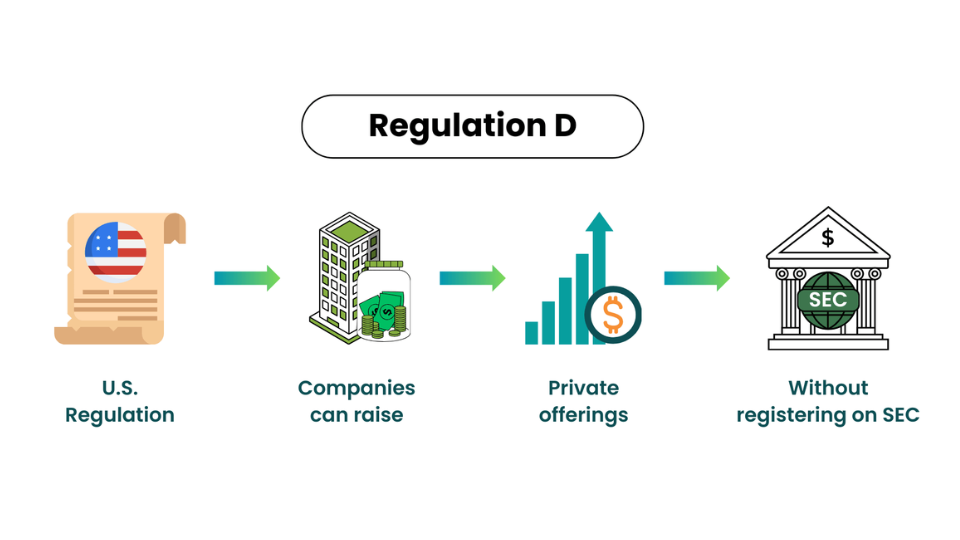
This reduction in the minimum ticket size eliminates the need for significant leverage or long-term debt obligations, allowing individuals to build a diversified real estate portfolio incrementally. By removing the high-capital barrier, investors can mitigate the risk of concentration by spreading capital across dozens of distinct assets.
Enhancing portfolio liquidity — The role of secondary markets in exiting fractional positions compared to illiquid physical deeds
Physical real estate is notoriously illiquid, often requiring months to list, market, and close a transaction. Fractional ownership addresses this friction through integrated secondary markets.
While traditional deeds require a full transfer of title, fractional shares are represented by digital tokens or securities that can be traded on platform-specific exchanges. For instance, some platforms allow users to list their shares for sale to other platform participants, providing a mechanism for early exit before the property’s intended hold period concludes.
Although these secondary markets may not offer the instant liquidity of public equities, they provide a clear advantage over the binary ‘hold or sell’ nature of physical property. They offer a viable path for capital recovery during unexpected financial shifts.
Operational risks and platform due diligence
Deploying capital through fractional models requires a rigorous assessment of the platform’s technical and legal infrastructure. Unlike traditional real estate, where title deeds are held in a personal name, fractional ownership relies on SPVs (Special Purpose Vehicles) or blockchain-based tokenization protocols.
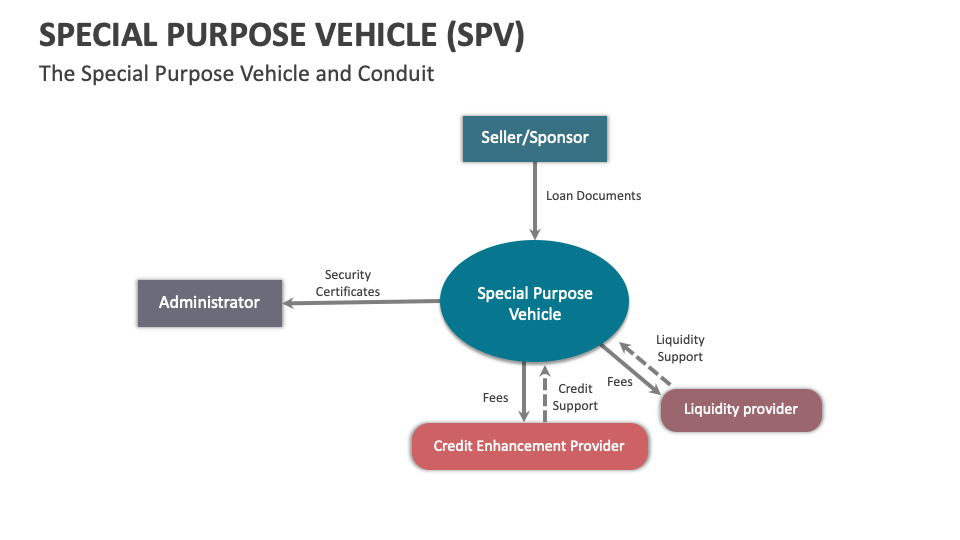
Investors must evaluate the platform’s liquidity mechanisms, as secondary market access is rarely guaranteed and often depends on the platform’s own order book or third-party exchange integrations.
Verification of underlying asset ownership
To confirm that digital tokens represent legally enforceable claims on real property, investors must perform a multi-step verification process before committing capital. Relying solely on a platform’s dashboard is insufficient for institutional-grade due diligence.
- Review the Operating Agreement: Examine the legal structure of the SPV. The token holder should have a direct or indirect economic interest in the property, typically governed by an LLC or a similar entity structure.
- Check Property Records: Use public land registry databases (such as county clerk websites in the U.S.) to verify that the property title is actually held by the entity named in the investment prospectus.
- Audit the Custodian: Determine if the platform uses a qualified third-party custodian to hold the underlying assets. A reputable custodian acts as a buffer, ensuring that even if the platform operator faces insolvency, the legal title to the real estate remains protected.
- Assess Tokenization Standards: Confirm whether the tokens are issued on a public blockchain (like Ethereum or Polygon) or a private ledger. Public blockchains offer greater transparency, allowing investors to use block explorers to verify the total supply of tokens.
The primary risk remains the platform’s reliance on centralized intermediaries. If the platform fails to maintain accurate records or mismanages the property management contract, the token holder’s rights may become difficult to enforce. Always prioritize platforms that provide clear, downloadable legal documentation regarding the specific asset’s debt-to-equity ratio and any existing liens on the property title.
Tax and regulatory considerations for fractional holders
Investing through fractional platforms requires a clear understanding of how tax authorities view your stake. Unlike direct ownership where you hold a deed, fractional real estate typically involves holding shares in a Limited Liability Company (LLC) or a series-based entity. This structure dictates how your capital gains and losses are reported to tax agencies like the IRS.
Most platforms issue a Schedule K-1 form annually. Because you are technically a partner in the entity holding the property, you must report your proportionate share of the entity’s income, deductions, and credits. This differs significantly from the 1099-DIV forms issued by standard brokerage accounts. Failure to account for the K-1 filing process can lead to significant delays in your tax preparation and potential penalties for underreporting income.
:max_bytes(150000):strip_icc()/1099-DIV-ffc2266fbad34acd9de5359089733572.jpg)
Reporting requirements for fractional dividends
Rental income distributions are classified as passive income for most individual investors. When a platform distributes cash flow from rent, it is generally treated as a return on investment rather than earned income. However, the specific tax treatment depends on whether the entity is taxed as a partnership or a corporation.
- Partnership Taxation: Most fractional real estate platforms utilize pass-through taxation. You report your share of the rental income on your personal tax return, regardless of whether the cash was actually distributed to your bank account.
- Depreciation Benefits: One of the primary advantages of this structure is the ability to claim depreciation. As a fractional owner, you can often deduct a portion of the property’s depreciation against the rental income, which may reduce your overall tax liability on those distributions.
- State-Level Complexity: If the property is located in a state different from your residence, you may be required to file a non-resident tax return in that state. Some platforms mitigate this by utilizing composite filings, but you should verify if the platform handles state-level compliance on your behalf.
Before deploying capital, review the platform’s offering circular. This document explicitly states the tax classification of the entity. If you are investing through a tax-advantaged account like a Self-Directed IRA, the tax reporting requirements change entirely, as the IRA custodian handles the reporting, effectively shielding you from personal tax liability on the distributions until you take a withdrawal.
Evaluating long-term performance metrics
Assessing the viability of fractional real estate requires moving beyond advertised capitalization rates. Investors must analyze the total return profile, which combines periodic rental distributions with potential asset appreciation.
Unlike direct ownership, where you control maintenance costs and tenant selection, fractional platforms act as intermediaries. Consequently, your performance metrics must account for the platform’s operational efficiency and the liquidity constraints inherent in secondary market trading.
Calculating net yield after platform fees
To determine the true profitability of your investment, you must strip away the layers of fees that platforms impose. Gross rental yield is often a misleading figure because it ignores the friction of platform management. Follow this calculation process to reveal your actual take-home return:
- Start with Gross Rental Income: Identify the total annual rent collected from the property.

- Subtract Property-Level Expenses: Deduct property taxes, insurance, routine maintenance, and property management fees.
- Deduct Platform-Specific Fees: Most platforms charge an annual asset management fee (typically 1% to 2% of the asset value) and sometimes a one-time acquisition fee (often 2% to 5% of the initial investment).
- Account for Transactional Friction: If you intend to sell your shares on a secondary market, factor in the brokerage or platform exit fees, which can range from 1% to 3% of the transaction value.
For example, if a property lists a 7% gross yield, but the platform charges a 1.5% annual management fee and a 0.5% administrative fee, your net yield drops to 5%. If you then factor in a 2% vacancy reserve—a standard industry practice for prudent underwriting—your realized yield may fall closer to 3%.
When analyzing the benefits of fractional real estate ownership, prioritize platforms that provide transparent, line-item disclosures of these costs. High-performing portfolios often show a tighter spread between gross and net yields, indicating better operational oversight. Always compare the net yield against risk-free alternatives, such as high-yield savings accounts or Treasury bills, to ensure the illiquidity premium justifies the underlying real estate risk.
Frequently Asked Questions
Primary diagnostic indicators for fractional real estate adoption
Key indicators include high capital concentration in a single asset, inability to meet minimum investment thresholds for institutional-grade properties, and a portfolio lacking exposure to non-correlated real estate assets.
How do the benefits of fractional real estate ownership improve liquidity?
Fractional ownership allows investors to trade shares of property on secondary markets, transforming traditionally illiquid real estate holdings into assets that can be exited or rebalanced with significantly lower friction compared to selling a whole physical property.


