



Tax status of tokenized gold as a digital asset
Tokenized gold is generally classified as a digital asset or intangible property by tax authorities, meaning it is subject to capital gains tax in most major jurisdictions. Unlike physical bullion, which may be treated as a collectible or commodity, tokens representing gold ownership are typically categorized as virtual currencies or investment securities.
When you sell or exchange these tokens for a profit, the difference between your cost basis and the sale price is treated as a taxable capital gain. This is a critical consideration as tax treatment of tokenized carbon credits and other real-world assets often follow similar regulatory frameworks.
Distinction between physical gold and digital tokens
Holding physical gold bullion involves direct ownership of a tangible asset, which often carries different tax reporting requirements. In many regions, physical gold is taxed under capital gains rules for collectibles, which may have higher maximum tax rates than standard investment assets. Conversely, tokenized gold represents a digital claim to physical gold held in a secure vault, often managed by a third-party custodian.
The legal distinction lies in the nature of the transaction. When you purchase a tokenized asset, you are buying a blockchain-based certificate of ownership rather than the metal itself. Tax agencies, such as the IRS in the United States or the HMRC in the UK, view this digital representation as a financial instrument.
Consequently, the disposal of these tokens triggers a taxable event identical to the sale of cryptocurrencies like Bitcoin or Ethereum. You must track your acquisition cost, including any transaction fees paid to decentralized exchanges or platforms, to accurately calculate your capital gains liability.
Investors should be aware that holding tokens does not grant the same tax-advantaged status that some physical gold products enjoy in specific jurisdictions. While physical gold may sometimes qualify for exemptions or specific tax deferrals depending on the form of the bullion, tokenized gold is almost universally categorized as a taxable digital asset. This classification requires investors to maintain meticulous records of every trade, as the automated nature of blockchain transactions does not exempt users from reporting requirements.
Is tokenized gold subject to capital gains tax?
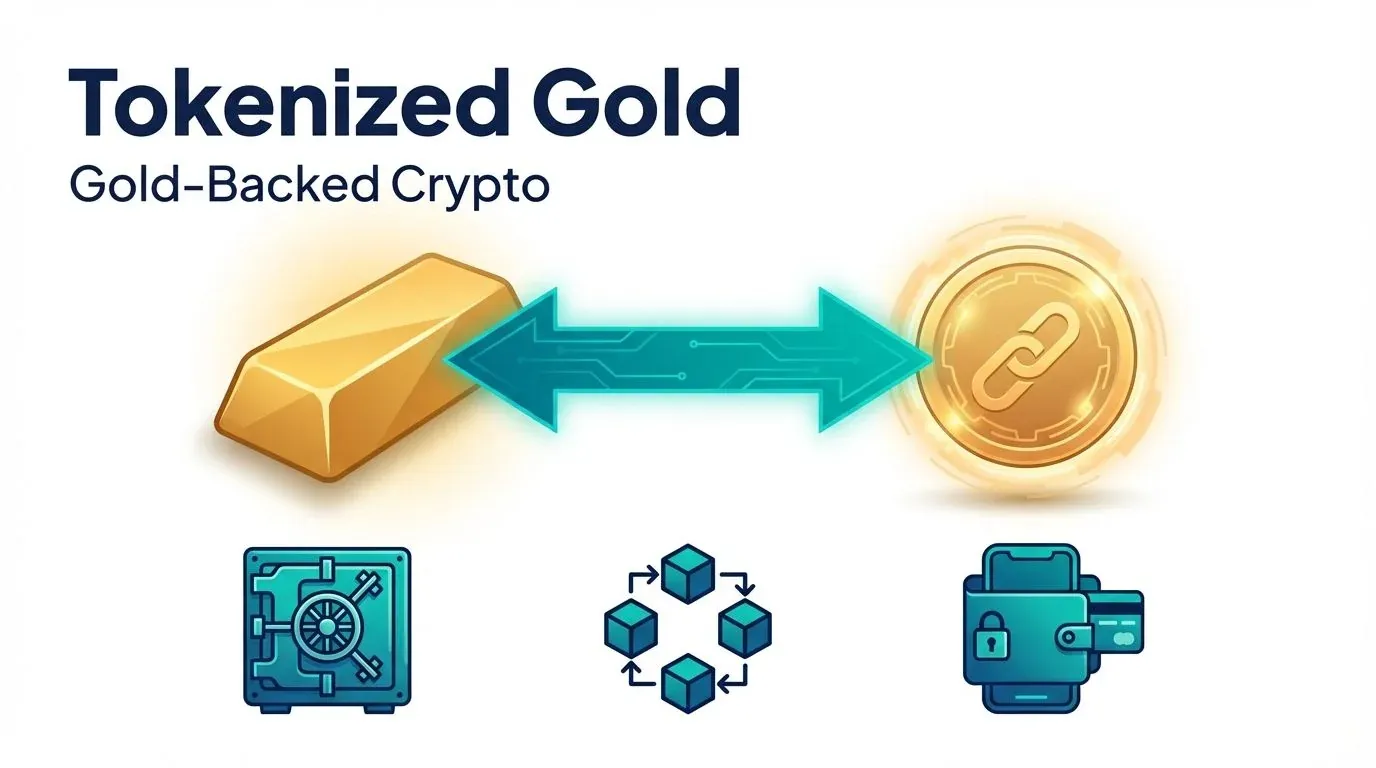
In most major jurisdictions, including the United States, tokenized gold is classified as a digital asset or a commodity rather than legal tender. Consequently, the Internal Revenue Service (IRS) and similar global tax authorities treat the sale or exchange of these tokens as a taxable event. Understanding the tax implications of tokenized assets is crucial for any serious investor.
When you sell your tokenized gold for fiat currency or swap it for another cryptocurrency, you are generally subject to capital gains tax on the difference between your cost basis and the fair market value at the time of the transaction. The tax rate applied depends heavily on your holding period.
If you hold the tokens for one year or less, any profit is categorized as a short-term capital gain and taxed at your ordinary income tax rate. If you hold the asset for more than one year, you qualify for long-term capital gains rates, which are typically lower. It is essential to maintain precise records of every transaction, as automated reporting from decentralized exchanges is often incomplete or nonexistent.
Determining the cost basis for tokenized assets
Calculating your cost basis is the foundation of accurate tax reporting. Your cost basis is essentially the total amount you spent to acquire the asset, which includes the purchase price of the gold tokens plus any associated transaction costs. To determine your gain or loss, subtract this total cost basis from the net proceeds of your sale.
When calculating this figure, consider the following components:
- Purchase Price: The actual amount paid for the tokens at the time of acquisition.
- Transaction Fees: Gas fees paid on networks like Ethereum or platform-specific trading fees incurred during the purchase.
- Conversion Costs: If you purchased the tokens using another cryptocurrency, you must calculate the fair market value of that cryptocurrency in USD at the exact moment of the trade to establish your starting cost basis.
If you acquire tokenized gold in multiple batches at different price points, you must use a specific accounting method—such as First-In, First-Out (FIFO) or Specific Identification—to track your cost basis. Using the Specific Identification method can be advantageous if you intend to sell tokens purchased at higher price points first, thereby reducing your immediate tax liability. Always consult with a tax professional who specializes in digital assets to ensure your calculations align with current local regulations.
Reporting requirements for digital asset transactions
Tax authorities, including the IRS in the United States and HMRC in the UK, treat tokenized gold as a digital asset or commodity rather than physical bullion. Because these tokens are traded on blockchain ledgers, every transaction—whether a swap for stablecoins or a direct sale to fiat—creates a taxable event. As crypto payments tokenized solutions continue to gain traction, regulatory oversight is only expected to intensify.
You must report the fair market value of the tokenized gold at the time of disposal, converted into your local currency, to calculate your realized gain or loss. When filing your annual tax return, you are generally required to report these transactions on forms such as Schedule D (Form 1040) in the U.S. or the Capital Gains Tax summary in the UK.
Failing to report these disposals can lead to penalties, interest, and potential audits. Because tokenized gold is often held in non-custodial wallets, the responsibility for tracking the cost basis and holding period rests entirely with the investor.
Documentation needed for tax audits
To withstand a tax audit, you must maintain a granular audit trail that links your initial purchase to your final exit. Tax examiners prioritize verifiable proof of ownership and cost basis. Ensure your records include the following:
- Transaction hashes: The specific blockchain transaction IDs (TXIDs) for every purchase, transfer, and sale of the gold-backed tokens.
- Purchase receipts: Dated records showing the original acquisition cost, including any exchange fees or gas costs paid to acquire the tokens.
- Market price data: Screenshots or exported CSV files from the token issuer or exchange showing the spot price of the underlying gold at the exact time of your transaction.
- Wallet history: A comprehensive export of your wallet activity, ideally generated through crypto-tax software like Koinly, CoinTracker, or ZenLedger, which maps your inflows and outflows.
- Holding period evidence: Documentation confirming the date of acquisition, which is essential for distinguishing between short-term and long-term capital gains tax rates.
If you use a decentralized exchange (DEX) to swap tokens, ensure you document the value of the assets involved at the time of the trade. Without clear documentation, tax authorities may default to a cost basis of zero, which would result in the entire sale proceeds being taxed as a capital gain.
Jurisdictional variations in tax enforcement
Tax authorities globally are still refining their stance on digital assets, leading to significant discrepancies in how tokenized gold is categorized. While the Internal Revenue Service (IRS) in the United States generally treats tokenized gold as property—meaning every sale or exchange triggers a taxable event—other jurisdictions like Germany or Switzerland may offer different exemptions. Investors looking to network with experts on these shifts might consider attending an upcoming capital connect event to stay ahead of the curve.
In Germany, for instance, private sales of assets held for more than one year can sometimes be exempt from capital gains tax, provided the asset is not classified as a security. Investors must verify whether their specific tokenized gold provider offers a claim to physical bullion, as this often dictates whether the tax office views the token as a commodity, a security, or a digital currency.
Impact of holding periods on tax rates
The duration for which you hold your tokenized gold assets directly influences your final tax liability. Most tax regimes distinguish between short-term and long-term capital gains, with the latter typically benefiting from preferential, lower tax rates to encourage long-term investment.
- Short-term capital gains: If you sell your tokenized gold within one year of acquisition, the profit is generally taxed at your standard ordinary income tax rate. This can be significantly higher, reaching up to 37% for high earners in the U.S.
- Long-term capital gains: Holding the asset for more than 365 days usually qualifies the gain for long-term capital gains tax rates. Depending on your total taxable income, these rates are often capped at 0%, 15%, or 20%.
Because tokenized gold is frequently traded on 24/7 digital asset exchanges, it is easy to inadvertently trigger a short-term taxable event by frequent rebalancing. To optimize your tax position, maintain detailed records of your purchase dates and cost basis. Using portfolio tracking software like Koinly or CoinTracker can help automate the calculation of holding periods, ensuring you do not miss the threshold for long-term status. Always consult with a tax professional familiar with both digital asset regulations and precious metal taxation to avoid underreporting gains during your annual filing.
Risks of non-compliance with digital asset taxation
Failing to report gains from tokenized gold can lead to severe financial and legal consequences. Tax authorities, including the IRS in the United States and the HMRC in the UK, increasingly utilize blockchain forensics to track transactions. When you exchange tokenized gold for fiat currency or other cryptocurrencies, you trigger a taxable event.
If these gains remain undisclosed, you risk facing substantial penalties, interest charges on back taxes, and in extreme cases, criminal prosecution for tax evasion. The complexity arises because many decentralized exchanges and protocols do not issue standard tax forms like the 1099-B. This lack of automated reporting does not exempt you from the obligation to calculate and report your cost basis.
Relying on the assumption that digital assets are anonymous or outside the scope of traditional tax law is a high-risk strategy that often leads to audits and forced settlements.
Mitigation strategies for tax reporting
To ensure compliance, you must maintain a granular record of every transaction involving tokenized gold. Manual tracking via spreadsheets is prone to human error, especially when dealing with multiple wallets or cross-chain bridges. Instead, leverage specialized digital asset tax software such as Koinly, CoinTracker, or ZenLedger. These tools integrate directly with your public wallet addresses via API or CSV uploads to automatically calculate your capital gains and losses.

Follow these steps to streamline your reporting:
- Consolidate transaction history: Import data from all centralized exchanges and decentralized protocols where you hold tokenized gold.
- Identify the cost basis: Ensure your software correctly identifies the original purchase price in fiat currency at the time of acquisition.
- Categorize events: Distinguish between capital gains from price appreciation and potential income from staking or yield-bearing gold tokens, as these may be taxed at different rates.
- Consult a specialist: If your portfolio involves complex DeFi strategies or high-frequency trading, engage a CPA who specializes in digital assets to review your final tax filing.
Proactive documentation is your best defense against regulatory scrutiny. By utilizing automated tools and maintaining precise records, you minimize the risk of calculation errors and ensure you are prepared for potential inquiries from tax authorities regarding your digital asset holdings.
Frequently Asked Questions
Taxability of tokenized gold under capital gains rules
Yes, in most jurisdictions, tokenized gold is treated as a capital asset. When you sell or exchange your tokens for a profit, the gain is typically subject to capital gains tax, similar to physical gold or cryptocurrencies.
Calculation methods for cost basis in tokenized gold
The cost basis is generally the total amount you paid to acquire the tokens, including any transaction fees or platform commissions. You subtract this basis from the sale price to determine your taxable gain or loss.
- Compliance strategies for managing tax implications of tokenized assets
- Understanding capital gains tax on tokenized securities versus traditional brokerage assets
- Strategic compliance frameworks for tax reporting for tokenized assets in the US
- Regulatory classification challenges for tax treatment of tokenized dividends and yield


