



Economic value of automated wallet infrastructure
Implementing a Binance Wallet API integration guide allows firms to shift from reactive manual reconciliation to proactive, event-driven financial management. By establishing a direct pipeline between the Binance exchange environment and internal accounting systems, organizations eliminate the latency inherent in manual balance checks and transaction logging.
This infrastructure reduces the risk of human error in ledger entries. Such errors often lead to costly discrepancies during tax reporting or audit cycles.
Labor cost displacement
Calculating the hours saved by replacing manual deposit tracking with automated API webhooks reveals significant operational overhead reduction. For a mid-sized crypto enterprise, manual tracking typically involves a treasury analyst logging into the Binance portal, exporting CSV files, and cross-referencing them against internal databases every four hours. This process consumes approximately 15 to 20 hours per week per analyst.
By deploying a Binance Wallet API integration, the system automatically triggers a webhook event the moment a deposit is confirmed on the blockchain. This replaces the manual workflow with an automated listener service that updates the internal database in milliseconds.

The economic impact is quantified as follows:
- Time Savings: 80 hours per month, per analyst, redirected toward high-value tasks like liquidity management or strategy development.
- Operational Throughput: Automated systems handle volume spikes during market volatility without requiring additional headcount, effectively decoupling operational costs from trading volume.
- Error Mitigation: By removing manual data entry, the firm avoids the ‘cost of correction’—the billable hours spent by accounting teams identifying and resolving mismatched transaction IDs or decimal precision errors.
The transition to API-driven infrastructure is a fundamental shift in capital efficiency. When internal systems receive real-time data, treasury teams can optimize their liquidity positioning, ensuring that assets are not sitting idle in exchange wallets longer than necessary. This improved visibility directly impacts the bottom line by reducing the opportunity cost of locked capital.
Direct costs of a Binance Wallet API integration guide
Implementing a Binance Wallet API integration requires more than just developer time; it demands a clear budget for infrastructure, security, and regulatory compliance. Organizations often underestimate the recurring operational costs associated with maintaining a high-frequency connection to Binance’s endpoints. Failing to account for these expenses during the initial planning phase can lead to significant budget overruns once the system scales.
Engineering and infrastructure overhead
The primary technical cost involves hosting and latency management. To maintain real-time data synchronization, you must deploy your application on cloud infrastructure located in regions with low-latency access to Binance’s servers, such as AWS Tokyo or GCP Singapore. Expect to pay for high-performance compute instances and dedicated load balancers to handle rate limits effectively.
Furthermore, security auditing is a non-negotiable expense. You should allocate funds for quarterly penetration testing and automated vulnerability scanning tools like Snyk or Burp Suite to ensure your API keys and signing mechanisms remain protected against unauthorized access. For those managing personal assets, following a Binance wallet privacy settings guide is a critical step in mitigating these risks.
Compliance and regulatory reporting expenses
Integrating wallet data necessitates robust AML (Anti-Money Laundering) and KYC (Know Your Customer) monitoring. Because Binance provides granular transaction data, you must invest in blockchain analytics software to screen wallet addresses for illicit activity.
Services like Chainalysis or Elliptic offer API-based monitoring that flags suspicious transactions in real-time, which is essential for maintaining operational compliance in jurisdictions with strict financial oversight. Beyond software licensing, you must budget for legal consultation to ensure your data storage practices align with local financial regulations.
If your integration handles user funds, you will likely need to implement an automated reporting pipeline that generates tax and audit-ready logs. Manually reconciling these records is prone to human error and carries significant regulatory risk, making automated compliance suites a necessary line item in your integration budget.
Risk-adjusted return on investment
Evaluating the financial viability of a Binance Wallet API integration requires more than calculating simple transaction fees. You must account for the risk-adjusted return on investment (RAROI), which balances potential gains from automated trading or liquidity management against the operational hazards of technical failure. A robust integration often incurs higher initial development costs but yields a superior RAROI by minimizing slippage and ensuring execution precision during high-volatility market events.
To calculate this metric, subtract the total cost of ownership—including infrastructure hosting, security audits, and maintenance—from the net profit generated by the automated system. Then, adjust this figure by the probability of technical disruption. If your integration relies on high-frequency requests, the cost of capital tied to locked liquidity or potential liquidation risks during API downtime must be factored into your bottom line.
Quantifying downtime and latency costs
API outages and rate-limit throttling represent direct financial leakage. When your system hits a Binance rate limit, the resulting delay can lead to missed entry points or failed stop-loss orders. To quantify these costs, track the delta between your intended execution price and the actual fill price during periods of latency.
Follow this calculation method to determine your exposure:
- Latency Delta: (Expected Execution Price – Actual Execution Price) × Order Volume.
- Opportunity Cost: (Average Hourly Profit) × (Total Minutes of Downtime / 60).
- Throttling Impact: Calculate the number of rejected requests per hour during peak traffic and multiply by the average profit per successful trade.
If your integration experiences frequent 429 (Too Many Requests) errors, you are essentially paying for infrastructure that cannot keep pace with market volatility. Implementing a local queueing system or a dynamic weight-management layer can mitigate these losses. By treating API latency as a quantifiable expense, you can justify the investment in optimized code paths and dedicated server resources, ultimately protecting your capital from the hidden costs of technical inefficiency.
Technical requirements for integration efficiency
Achieving high performance with your Binance Wallet API integration guide requires a robust architecture that minimizes latency and avoids rate-limiting penalties. Developers must prioritize asynchronous processing and secure API key management to maintain operational stability. Using environment variables for secret storage and implementing a dedicated logging service for error tracking are baseline requirements for any production-grade financial application.
Optimizing endpoint polling versus Webhooks
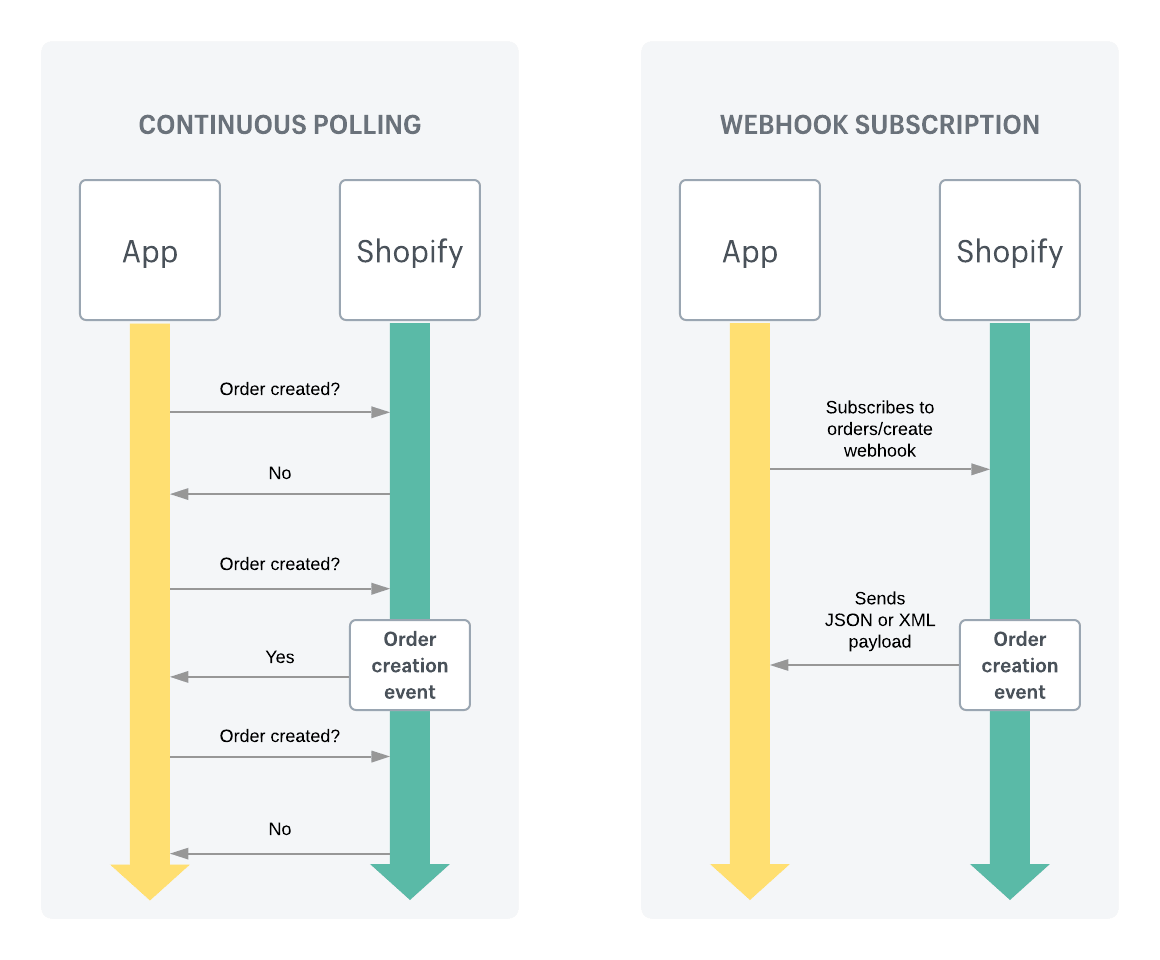
Choosing the correct data retrieval method significantly impacts your infrastructure costs and the real-time accuracy of your financial metrics. Polling the /sapi/v1/capital/config/getall or account balance endpoints requires constant server requests, which consumes significant bandwidth and risks hitting Binance’s strict rate limits. If your application polls every second, you may trigger a 429 Too Many Requests error, leading to temporary IP bans that disrupt your data flow. For users facing these issues, learning binance wallet browser extension not working scenarios is essential for maintaining uptime.
Webhooks offer a more efficient alternative by pushing data to your server only when a transaction occurs. This event-driven architecture reduces server load by eliminating unnecessary requests during periods of inactivity. However, webhooks require a publicly accessible HTTPS endpoint and a secure validation mechanism to ensure the integrity of incoming payloads. When implementing webhooks, you must verify the signature provided in the header using your API secret to prevent unauthorized data injection.
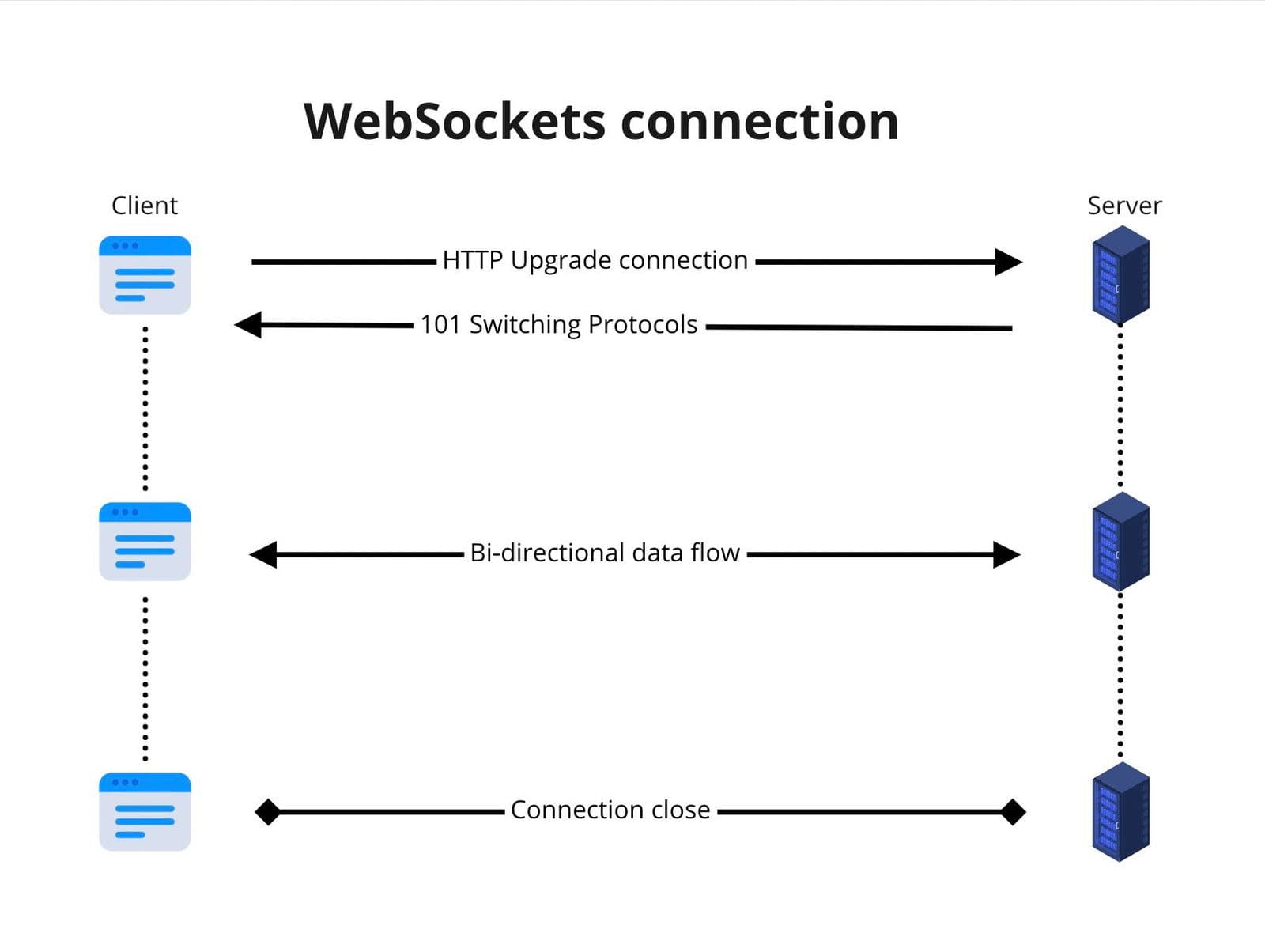
For high-frequency trading or real-time portfolio tracking, a hybrid approach is often most effective. Use WebSockets for live price feeds and balance updates, while reserving REST API calls for infrequent administrative tasks like fetching historical transaction logs or updating withdrawal addresses. This strategy balances the need for low-latency data with the necessity of staying within Binance’s API tier limits, ultimately lowering your cloud hosting expenses by reducing CPU cycles spent on redundant polling.
Scalability and long-term maintenance
Integrating the Binance API is not a one-time deployment but a commitment to ongoing infrastructure management. As your trading volume grows, the efficiency of your API calls directly impacts your operational costs and execution speed. Developers must design systems that handle rate limits gracefully, utilizing WebSocket streams for real-time market data instead of polling REST endpoints, which consumes excessive bandwidth and risks hitting 429 ‘Too Many Requests’ errors.
To ensure long-term stability, implement a robust logging and monitoring framework. Tools like Prometheus and Grafana are industry standards for tracking latency between your server and Binance’s matching engine. If your latency spikes, your automated strategies may execute at suboptimal prices, leading to slippage that erodes your financial efficiency metrics.
Managing API versioning and updates
Binance periodically updates its API infrastructure, introducing new endpoints or deprecating older versions. A successful Binance Wallet API integration guide must account for these shifts by decoupling your core trading logic from the API communication layer. By using a wrapper or an abstraction layer, you can update your connection logic without refactoring your entire strategy engine.
Budgeting for these maintenance cycles is critical. You should allocate at least 10% of your development bandwidth specifically for API version migration. When Binance announces a deprecation, they typically provide a transition window. During this time, run your new integration in a ‘shadow mode’—where the new code processes data alongside the old version—to verify that order execution and balance reporting remain consistent before switching over entirely.
Additionally, keep a close watch on the official Binance API documentation and their Telegram developer announcements. Automated alerts for API status changes can prevent downtime. If you fail to update your integration before a legacy endpoint is decommissioned, your trading bot will lose connectivity, potentially leaving open positions unmanaged and exposing your portfolio to significant market risk.
Comparative analysis of build versus buy
Deciding between developing a proprietary infrastructure or leveraging existing middleware is the most critical decision when planning a Binance Wallet API integration guide. Building in-house offers total control over data privacy and custom workflows, but it introduces significant technical debt and long-term maintenance burdens. Conversely, third-party wallet-as-a-service (WaaS) providers accelerate time-to-market but require ongoing subscription costs and reliance on external uptime.
Total cost of ownership comparison
Calculating the total cost of ownership (TCO) requires looking beyond the initial development phase. Internal development demands a dedicated team of blockchain engineers, security auditors, and DevOps specialists. Assuming a mid-market salary of $150,000 per engineer, a team of three developers costs $450,000 annually in base salary alone, excluding benefits, infrastructure hosting on AWS or GCP, and the high cost of maintaining secure key management systems (KMS).
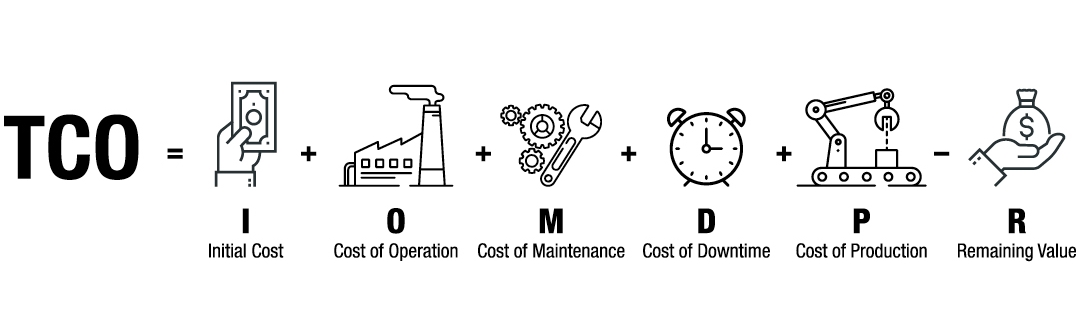
In contrast, SaaS wallet management platforms typically charge based on transaction volume or monthly active users (MAU). A typical enterprise tier might range from $2,000 to $10,000 per month. While this appears cheaper on the surface, organizations must factor in the following hidden costs:
- Integration overhead: Even with an API, your team must write custom middleware to map Binance API responses to your internal ledger.
- Platform dependency: If the provider updates their API or changes their pricing model, your application logic may require significant refactoring.
- Security compliance: You remain responsible for the security of your application layer, even if the wallet provider handles the signing process.
For startups, the ‘buy’ approach is generally superior because it allows for rapid iteration and testing of product-market fit without the heavy lifting of managing hardware security modules (HSMs). Established firms with high-frequency trading requirements often find that the ‘build’ approach pays for itself by eliminating per-transaction fees and providing granular control over latency and rate-limit management. Before committing, map your projected transaction volume against the provider’s fee schedule over a 24-month horizon to determine the break-even point where internal development becomes the more cost-effective path.
Performance monitoring and KPI tracking
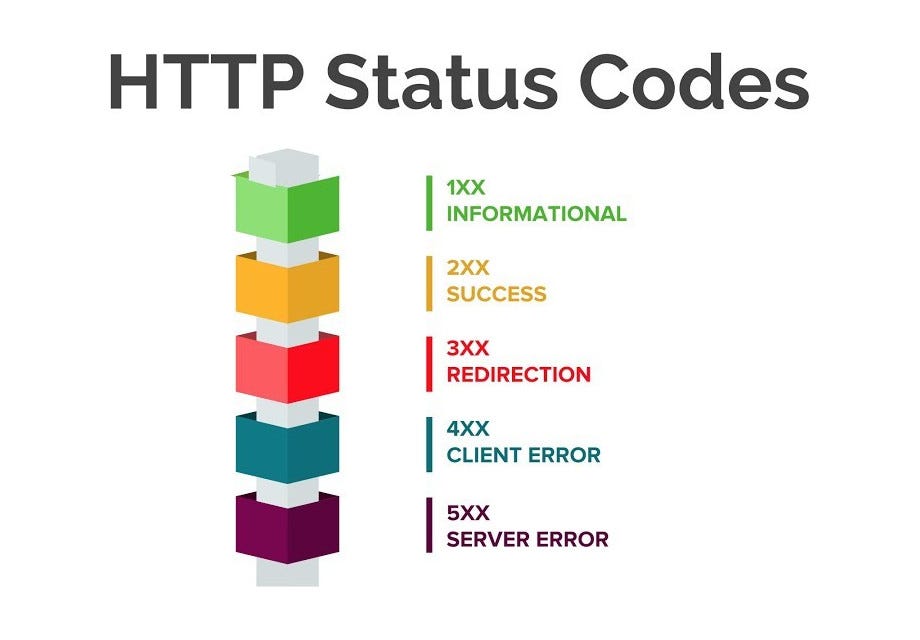
Maintaining a robust Binance Wallet API integration requires continuous oversight of your infrastructure’s health. Without real-time telemetry, minor connectivity issues or rate-limiting triggers can escalate into significant financial losses or missed trading opportunities. Developers should implement logging mechanisms that capture both request-response cycles and the specific HTTP status codes returned by the Binance gateway.
Key performance indicators for wallet operations
To evaluate the efficiency of your integration, focus on these three primary metrics. Tracking these consistently allows you to distinguish between exchange-side outages and local application bottlenecks.
- Transaction Success Rate: This measures the ratio of successfully broadcasted transactions against total attempts. A dip below 99% often indicates issues with nonce management or insufficient gas estimation for on-chain transfers.
- API Latency: Monitor the round-trip time (RTT) from your server to the Binance API endpoints. High latency—typically exceeding 200ms—can lead to slippage in high-frequency environments. Use tools like Prometheus or Datadog to visualize these spikes over time.
- Error Frequency and Type: Categorize errors based on their origin. Distinguish between 429 (Too Many Requests) errors, which signal a need for better rate-limit handling, and 400 (Bad Request) errors, which usually point to malformed payload structures or deprecated endpoint parameters.
Beyond these metrics, establish automated alerts for API key expiration and sudden changes in wallet balance that do not correlate with your internal ledger. If your system detects a discrepancy between the balance reported via the API and your local database, the integration should trigger an immediate circuit breaker to halt automated operations. This proactive approach prevents the propagation of erroneous data and protects your capital from unexpected execution failures.
Strategic assessment of integration ROI
Achieving positive return on investment through a Binance Wallet API integration guide requires moving beyond simple connectivity to focus on operational throughput. Successful deployments prioritize low-latency execution and automated reconciliation, which directly reduce the overhead costs associated with manual asset management. By leveraging the API’s REST and WebSocket endpoints, firms can eliminate the human error inherent in manual trade entry while simultaneously capturing arbitrage opportunities that would otherwise expire within milliseconds. For those looking to expand their capabilities, understanding how to manage multi-chain dapps in binance wallet can provide additional insights into broader ecosystem interactions.
Optimizing performance and cost structures
Financial efficiency is primarily driven by how effectively your infrastructure handles rate limits and data polling. Developers should implement a tiered request strategy to ensure that high-priority order execution is never throttled by non-essential balance queries. Utilizing WebSocket streams for real-time market data instead of repeated REST API calls significantly lowers bandwidth consumption and latency, directly impacting the profitability of high-frequency trading strategies. For users managing diverse portfolios, knowing binance multi-chain withdrawal fees comparison is equally vital for operational success.
- Infrastructure efficiency: Deploying your integration on cloud servers geographically proximal to Binance’s data centers minimizes round-trip time.
- Error handling: Implementing robust retry logic with exponential backoff prevents service disruptions during periods of high market volatility.
- Automated reconciliation: Syncing your internal database with Binance’s transaction history endpoint daily ensures audit-ready financial reporting without manual intervention.
The true value of this integration lies in the scalability of your financial operations. As your transaction volume increases, the cost per transaction drops significantly compared to manual execution models. Organizations that treat their API integration as a core financial product—rather than a mere utility—benefit from superior liquidity management and tighter bid-ask spreads. Focus on monitoring your API usage metrics against trade execution success rates to identify bottlenecks early. By refining these technical parameters, you transform the integration from a technical requirement into a sustainable competitive advantage in the digital asset market. For those interested in the broader strategic landscape, Binance vs hardware wallet privacy comparison offers a deeper look at long-term custody planning.
Frequently Asked Questions
Primary cost drivers for Binance Wallet API integration
Primary costs include initial development hours, ongoing server maintenance for API connectivity, security audit expenses, and potential transaction fee adjustments based on your specific volume tiers.
Calculation methods for crypto wallet integration ROI
Calculate ROI by comparing the reduction in manual settlement costs and improved transaction speed against the total cost of ownership (TCO), which includes development, security, and API maintenance.


