



Data integrity requirements for tokenized asset tracking
To determine your tax liability, you must understand how to calculate cost basis for tokenized assets by aggregating raw data directly from blockchain explorers like Etherscan or Polygonscan. Unlike traditional equities where brokerage statements provide a consolidated 1099-B, tokenized assets require you to capture every event, including minting, wrapping, and bridging, to ensure the initial acquisition cost reflects the true economic outlay.
On-chain transaction history validation
To establish a precise cost basis, you must account for the total capital deployed, which includes more than just the asset purchase price. Every interaction with a smart contract involves gas fees paid in the native network token (e.g., ETH, MATIC, or SOL). Under current tax guidelines, these fees are typically capitalized into the cost basis of the asset.
You should export your wallet history into a CSV format and cross-reference every transaction hash. Ensure that the timestamp, the exact quantity of the token received, and the corresponding fiat value of the gas fee at the time of execution are recorded. Missing even a single transaction can lead to an underestimation of your cost basis, resulting in an artificially inflated capital gain when you eventually sell.
Handling fractional ownership and dividend reinvestment
Tokenized assets often introduce complexity through fractionalized ownership and automated yield distribution. If you hold a fractionalized real estate token that pays out dividends in stablecoins or additional tokens, you must track these as distinct taxable events.
When dividends are reinvested to purchase more tokens, the cost basis of your total position must be adjusted upward by the fiat value of the reinvested amount at the time of receipt. Conversely, if you receive a distribution that is treated as a return of capital, your cost basis must be adjusted downward. Maintaining a ledger that separates your original principal from reinvested earnings is critical for calculating the correct holding period and avoiding double taxation on distributed yields.
Methodological approaches to how to calculate cost basis for tokenized assets
Determining the cost basis for tokenized assets requires a precise record of the acquisition price, including any transaction fees, gas costs, and platform service charges incurred during the purchase. Unlike traditional equities, tokenized real-world assets (RWAs) often involve multi-step settlement processes where the purchase price might be denominated in a volatile stablecoin or native blockchain token.
You must convert the value of the payment asset into its fiat equivalent at the exact timestamp of the transaction to establish an accurate cost basis in your reporting currency. Understanding the broader context of crypto payments tokenized within these systems is essential for long-term financial planning.
Selecting the optimal accounting methodology for tokenized portfolios
The choice of accounting methodology significantly alters your taxable gain or loss when liquidating tokenized positions. Most tax jurisdictions permit several standard approaches, each yielding distinct outcomes depending on market volatility:
- First-In, First-Out (FIFO): This method assumes the first tokens acquired are the first ones sold. In a rising market, FIFO typically results in a higher capital gain because it utilizes older, lower-cost assets first.
- Last-In, First-Out (LIFO): This approach assumes the most recently acquired tokens are sold first. LIFO can be advantageous in inflationary environments or during periods of rising prices, as it realizes gains on higher-cost assets, thereby reducing immediate tax liability.
- Specific Identification (SpecID): This is often the most accurate method for tokenized assets. By tracking individual transaction hashes or unique token IDs, you can choose exactly which units to sell. This requires robust record-keeping, such as utilizing blockchain explorers or specialized portfolio tracking software to link specific purchase events to disposal events.
- Average Cost Basis (ACB): This method calculates the mean price of all tokens held in a specific wallet or pool. While simpler to maintain, it may not be permitted in all jurisdictions for digital assets, and it can obscure the tax benefits of specific high-cost acquisitions.
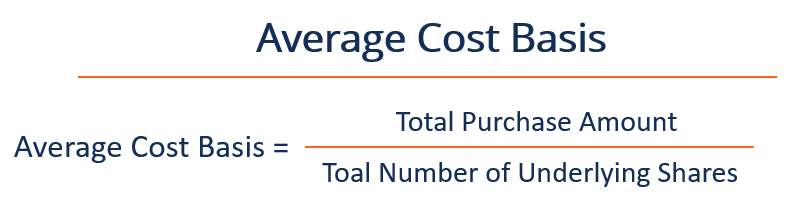
When evaluating these methods, consider the frequency of your trading activity. High-frequency rebalancing of tokenized portfolios makes manual tracking via spreadsheets prone to error. Automated crypto-tax software tools, such as Koinly or CoinTracker, can integrate with your wallet addresses to apply these methodologies consistently across your entire history, ensuring that your cost basis calculations align with local regulatory requirements.
Integration of fiat and crypto exchange rates
Determining the cost basis for tokenized assets requires precise synchronization between the asset’s purchase price and the prevailing fiat currency value at the exact second of the transaction. Because tokenized real-world assets (RWAs) often trade against stablecoins or other volatile cryptocurrencies, you must convert the transaction value into your reporting currency—typically USD, EUR, or GBP—using historical exchange rates that match the blockchain timestamp.
Time-stamping and fair market value determination
To establish an accurate cost basis, you cannot rely on daily average prices. You must utilize reliable price oracles such as Chainlink, Pyth Network, or historical data endpoints from providers like CoinGecko or CoinMarketCap. These tools allow you to pinpoint the Fair Market Value (FMV) at the specific block height where your transaction was confirmed.
Follow this workflow to ensure compliance and accuracy:
- Identify the exact UTC timestamp: Use a block explorer like Etherscan or Polygonscan to locate the precise time of your token acquisition.
- Query the oracle for the pair: If you purchased a tokenized bond using USDC, you must first determine the USDC/USD exchange rate at that exact timestamp, then apply the token’s purchase price in USDC.
- Account for gas fees: Under most tax jurisdictions, transaction fees paid in native tokens (like ETH or MATIC) are added to the cost basis of the acquired asset. Convert the gas fee amount to your fiat currency using the same timestamp-matching methodology.
Discrepancies often arise when users apply a generic daily closing price rather than the spot price at the time of execution. For high-frequency trades or assets with low liquidity, this variance can lead to significant errors in capital gains reporting. Always maintain a ledger that records the transaction hash, the asset ticker, the quantity, the fiat exchange rate used, and the final calculated cost basis in your functional currency. This granular approach provides an audit trail that satisfies regulatory requirements for digital asset reporting.
Compliance and audit-readiness features
Maintaining accurate records for tokenized assets requires more than just tracking purchase prices; it necessitates a robust audit trail that satisfies tax authorities. When you calculate cost basis for tokenized assets, you must account for gas fees, bridge costs, and platform-specific service charges, as these are often deductible or capitalizable depending on your local tax code. For those exploring how tokenized fundraising works, keeping these records from day one is vital for future compliance.
Using a dedicated crypto-accounting platform like Koinly, CoinTracker, or ZenLedger allows you to export comprehensive transaction histories that include timestamps, wallet addresses, and fiat-equivalent values at the moment of execution.
Automated reporting for tax authorities
To ensure your output meets the specific regulatory reporting standards of your jurisdiction, prioritize tools that generate standardized tax forms such as IRS Form 8949 in the United States or the equivalent capital gains schedules in the UK and EU. Automated reporting systems reduce human error by pulling data directly from blockchain explorers via API, ensuring that every transaction—including complex DeFi interactions like liquidity pool staking or yield farming—is categorized correctly.
When preparing for an audit, keep a centralized ledger that documents the following specific data points for every tokenized asset:
- Acquisition Date and Time: Precise block confirmation times are essential for determining holding periods for long-term versus short-term capital gains.
- Cost Basis Calculation Method: Clearly state whether you are utilizing First-In, First-Out (FIFO), Last-In, First-Out (LIFO), or Highest-In, First-Out (HIFO) methodologies. Consistency is a primary requirement for tax compliance.

- Transaction Hash: Always link the specific blockchain transaction ID to your ledger entries to provide verifiable proof of the asset’s movement.
- Fair Market Value (FMV) Documentation: Keep records of the token price at the time of the transaction, ideally sourced from a reputable aggregator like CoinGecko or CoinMarketCap, to justify your valuation during an audit.
By digitizing these records and maintaining a clear link between your wallet activity and your tax filings, you mitigate the risk of penalties. If you are dealing with high-frequency trading or complex tokenized real-world assets (RWAs), consult with a tax professional who specializes in digital assets to ensure your chosen methodology aligns with the latest guidance from your local revenue service.
Frequently Asked Questions
Complexity factors in tokenized asset cost basis calculations
Tokenized assets often involve off-chain legal wrappers, varying dividend distributions, and non-standard liquidity events that standard crypto tax software may not recognize without specific API integrations.
Essential data points for accurate cost basis reporting
A reliable platform must support automated tracking of acquisition dates, transaction fees, gas costs, and any corporate actions like token splits or dividend payouts that adjust the original purchase price.
- Compliance strategies for managing tax implications of tokenized assets
- Understanding capital gains tax on tokenized securities versus traditional brokerage assets
- Strategic compliance frameworks for tax reporting for tokenized assets in the US
- Tax treatment of tokenized gold and capital gains implications


