



Defining taxable events for tokenized real-world assets
Tax reporting for tokenized assets in the US hinges on the Internal Revenue Service (IRS) classification of these digital instruments as property rather than currency. When an investor acquires a token representing a fractional interest in real estate, tokenized fine art, or treasury bills, the IRS views the transaction through the lens of existing securities and commodities regulations.
A taxable event occurs not only upon the sale or exchange of the token for fiat or another cryptocurrency but also during specific corporate actions or distribution events that trigger income recognition. Understanding the tax implications of tokenized assets is crucial for any investor navigating this evolving landscape.
Distinguishing between yield-bearing and appreciation-only tokens
The tax treatment of tokenized assets varies significantly depending on the underlying economic mechanism of the token. Appreciation-only tokens, such as those representing a direct equity stake in a private company or a piece of physical art, typically follow standard capital gains tax rules. Investors realize a taxable gain or loss only when they dispose of the asset, with the tax liability calculated as the difference between the cost basis and the fair market value at the time of sale.
In contrast, yield-bearing tokens—which distribute dividends, rental income, or staking rewards—introduce more frequent reporting requirements. Under current US tax guidance, these distributions are generally treated as ordinary income in the year they are received.
For example, if a tokenized real estate platform distributes monthly rental yields to a wallet address, the holder must report that income based on the fair market value of the token or fiat received at the moment of receipt. This creates a dual-layer reporting obligation: the investor must track ordinary income for yield distributions and capital gains for the eventual appreciation of the principal token value.
Maintaining precise records of the fair market value at each distribution interval is essential to avoid underreporting ordinary income, which is taxed at higher marginal rates than long-term capital gains.
Establishing cost basis for tax reporting for tokenized assets in the US
Determining the cost basis for tokenized assets requires meticulous tracking of the acquisition price, including any associated transaction fees or gas costs incurred on the blockchain. Under current IRS guidelines, tokenized real-world assets (RWAs) on-chain are generally treated as property. This means investors must apply the same principles used for traditional securities, where the cost basis is the total amount paid to acquire the asset, adjusted for any capital improvements or corporate actions.
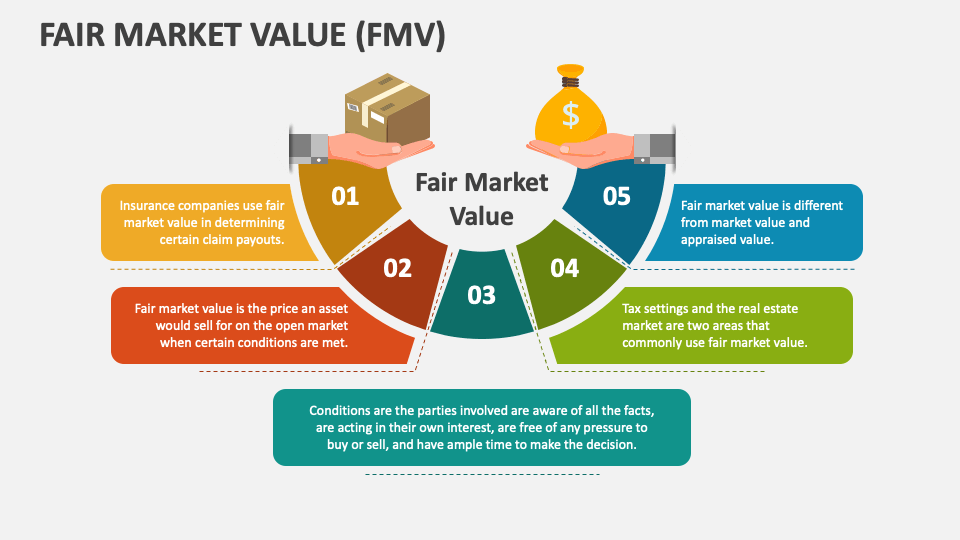
When dealing with tokenized assets, the primary challenge lies in the lack of standardized reporting from decentralized protocols. Investors should maintain an immutable ledger of every transaction hash, timestamp, and the fair market value (FMV) of the asset at the time of acquisition. Utilizing best crypto tax software for tokenized assets is essential for reconciling on-chain activity with your financial obligations.
Handling fractional ownership and secondary market adjustments
Fractional ownership introduces significant complexity to cost basis calculations, particularly when tokens are traded in micro-increments on secondary markets. Because a single underlying asset may be divided into thousands of tokens, investors must use a proportional method to determine the basis of each unit sold. If you purchase a 10% stake in a tokenized commercial property and later sell 1% of that total stake, your cost basis is 10% of your original acquisition cost, adjusted for any subsequent fees.
Secondary market adjustments require tracking the wash sale rule, which remains a critical consideration for digital assets. If you sell a tokenized asset at a loss, triggering tax consequences of tokenized asset liquidation, and repurchase a substantially identical asset within 30 days, the IRS may disallow the loss deduction. To manage this effectively:
- Document the specific token contract address to ensure accurate identification of the asset class.
- Apply the First-In, First-Out (FIFO) or Specific Identification accounting method consistently across your portfolio.
- Account for platform-specific fees, such as secondary market royalties or liquidity provider commissions, which can be added to the cost basis to reduce future capital gains liability.
Always verify the tax treatment of the specific token standard, such as ERC-20 or ERC-721, as the underlying smart contract logic can influence whether the asset is classified as a security, commodity, or collectible, each carrying distinct tax implications.
Data aggregation requirements for IRS Form 8949
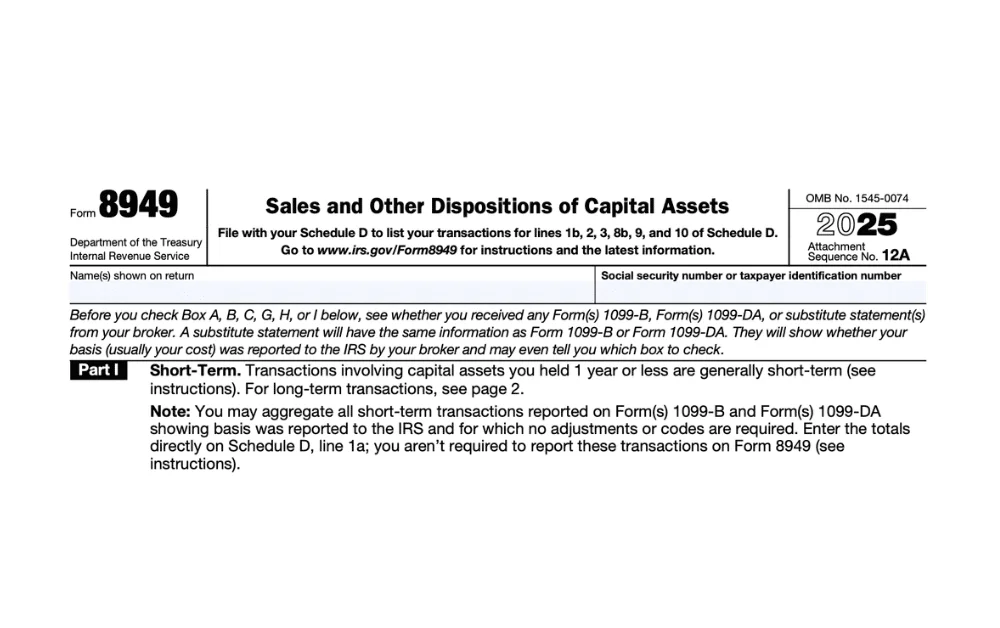
Accurate documentation of cost basis, acquisition dates, and fair market value at the time of each transaction is vital. For the IRS Form 8949, taxpayers must report each sale or exchange of digital assets individually. This requires a granular audit trail that links specific wallet addresses to realized gains or losses, ensuring that wash sale rules and holding period requirements are correctly applied to tokenized securities or real-world assets. Learning how to calculate cost basis for tokenized assets correctly is the first step in preparing these filings.
Integrating blockchain explorers with traditional accounting software
Bridging the gap between decentralized ledger activity and centralized tax compliance requires robust middleware. Manual entry is rarely viable for active traders due to the complexity of managing multi-chain assets and transactions. Instead, professionals utilize specialized API-driven solutions to pull raw data from blockchain explorers like Etherscan or Solscan and map them into standardized accounting formats.
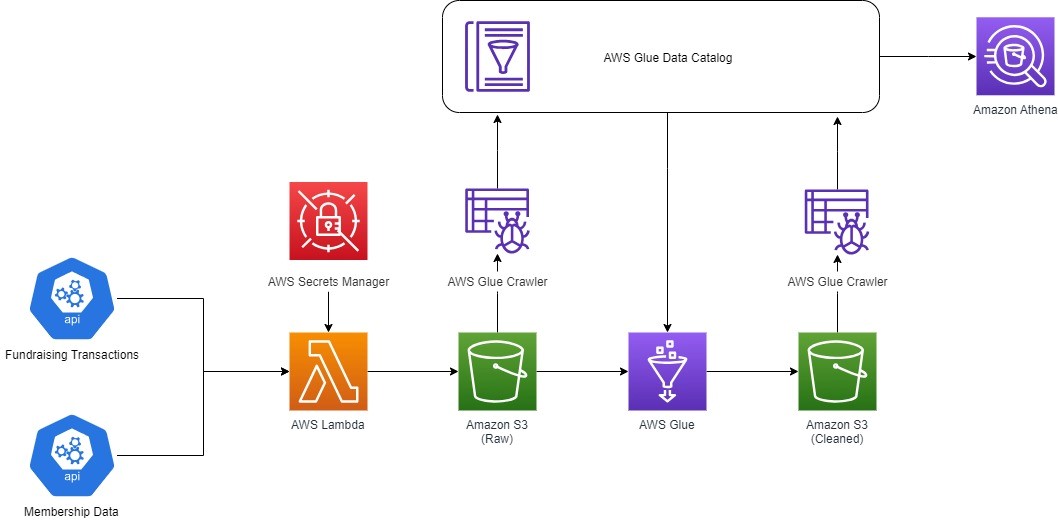
Key tools and methodologies for this integration include:
- API Aggregators: Platforms such as CoinTracker, Koinly, and ZenLedger provide direct API connections to major exchanges and public wallet addresses. These tools automatically parse transaction hashes to identify taxable events, such as asset swaps or liquidity pool withdrawals.
- CSV Normalization: For assets held in self-custody wallets where direct API integration is unavailable, users must export transaction history as CSV files. These files require normalization—converting varied timestamp formats and asset tickers into a consistent schema—before they can be imported into tax software.
- On-Chain Attribution: Advanced accounting software now allows users to label specific wallet addresses, aiding in on-chain asset valuation. By tagging a wallet as “DeFi Staking” or “NFT Treasury,” the software applies the correct tax treatment, such as distinguishing between capital gains and ordinary income from staking rewards.
The primary challenge remains the reconciliation of gas fees. When reporting on Form 8949, gas fees paid in native tokens (like ETH or SOL) are generally considered part of the cost basis for the acquired asset or a deductible expense, depending on the nature of the transaction. Automated platforms simplify this by calculating the USD value of the gas fee at the exact timestamp of the transaction, a task that is computationally prohibitive to perform manually for high-frequency portfolios.
Mitigating audit risks through verifiable on-chain trails
The IRS maintains a rigorous stance on digital asset oversight, placing the burden of proof on the taxpayer to substantiate the cost basis and holding periods of tokenized assets. Because tokenized real-world assets (RWAs) often exist across fragmented protocols, maintaining a comprehensive, immutable record of every transaction is the primary defense against audit discrepancies. Leveraging blockchain explorers like Etherscan or specialized subgraphs allows taxpayers to export raw transaction data that matches the exact timestamp and wallet address associated with their tax filings.
Documentation standards for non-custodial wallet activity
When managing assets in non-custodial environments, users must bridge the gap between anonymous wallet addresses and legal identity. To meet IRS substantiation requirements, documentation should move beyond simple CSV exports. Best practices include:
- Attribution Mapping: Maintain a clear ledger that links every public address to a specific entity or tax-reporting account. This prevents commingling of personal and business assets, which is a frequent trigger for IRS audits.
- Metadata Preservation: Ensure that the transaction hash, gas fees paid in native tokens, and the specific smart contract interaction are archived. For tokenized assets, the smart contract address acts as the unique identifier for the underlying asset class.
- Consistency in Valuation: Use a consistent, verifiable price oracle or exchange feed for every transaction. If a tokenized asset is traded on a decentralized exchange (DEX), document the price at the exact block height to justify the reported fair market value.
Taxpayers should also maintain a “paper trail” of the tokenization process itself. If an asset was converted from a traditional security to a token, the documentation must include the conversion ratio and the original acquisition date of the underlying asset. This ensures that long-term capital gains treatment is preserved. By treating on-chain data as a formal ledger, investors can provide auditors with a verifiable audit trail that mirrors the transparency required by traditional financial institutions.
Navigating cross-border tax implications for tokenized securities
International transactions introduce significant complexity regarding withholding obligations and reporting requirements. The Internal Revenue Service (IRS) generally treats tokenized securities as financial instruments, meaning cross-border transfers may trigger Foreign Account Tax Compliance Act (FATCA) or Common Reporting Standard (CRS) reporting mandates.

If a US-based entity issues tokens to non-US residents, the issuer must determine whether the transaction qualifies as US-source income, which is subject to a 30% flat withholding tax unless a tax treaty reduces or eliminates the rate.
Determining tax residency and withholding requirements
Issuers must implement robust Know Your Customer (KYC) and Anti-Money Laundering (AML) protocols to verify the tax residency of token holders. Relying on wallet addresses alone is insufficient for IRS compliance. To mitigate risk, firms should utilize digital identity verification services that capture W-8BEN or W-8BEN-E forms during the onboarding process. Failure to collect these forms forces the issuer to default to the maximum withholding rate, potentially creating friction for international investors and triggering audits.
Managing dual-taxation risks
Investors holding tokenized assets across multiple jurisdictions face the risk of double taxation. For instance, a US investor holding a tokenized real estate asset located in Europe might be subject to local property taxes while also reporting capital gains to the IRS.
The US Foreign Tax Credit (FTC) allows taxpayers to claim a credit for income taxes paid to foreign governments, but the documentation requirements for tokenized assets are stringent. Investors must maintain detailed records of the specific smart contract interactions and the underlying asset’s performance to substantiate these claims. Consult with a tax professional experienced in digital assets to ensure that foreign tax credits are applied correctly against US tax liabilities, particularly when the tokenized asset does not clearly map to traditional asset classes like equities or debt instruments.
Frequently Asked Questions
Are tokenized real estate assets taxed differently than traditional property?
In the US, the IRS generally treats tokenized real estate based on the underlying asset’s nature. While the token represents ownership, the tax treatment often mirrors traditional real estate, requiring careful documentation of capital gains and rental income, though the digital nature may trigger specific reporting requirements under Form 1099-B or 1099-DA. Understanding the tokenized assets vs traditional assets tax comparison is vital for accurate reporting.
Primary challenges regarding tax reporting for tokenized assets in the US
The primary challenge is the lack of standardized cost-basis tracking across decentralized platforms. Unlike traditional brokerages, many tokenization protocols do not automatically generate tax documents, forcing investors to manually reconcile on-chain transaction history with fiat-denominated tax obligations. If you find yourself in a position where you have realized losses, it is important to know how to report tokenized asset losses on taxes to potentially offset your gains.
- Compliance strategies for managing tax implications of tokenized assets
- Understanding capital gains tax on tokenized securities versus traditional brokerage assets
- Tax treatment of tokenized gold and capital gains implications
- Regulatory classification challenges for tax treatment of tokenized dividends and yield


