



Navigating the tax landscape for digital holdings requires a clear understanding of how tokenized assets vs traditional assets tax comparison functions under current regulatory standards. While traditional financial instruments benefit from automated brokerage reporting, tokenized assets are generally classified as property, placing the burden of meticulous record-keeping and valuation directly on the investor. Understanding the tax implications of tokenized assets is essential for anyone moving beyond simple crypto payments.
Understanding the tax classification of digital versus physical holdings
The primary distinction lies in how authorities like the IRS categorize the underlying asset. Traditional assets, such as stocks or bonds, are governed by well-defined tax codes that differentiate between interest, dividends, and capital gains. Conversely, tokenized assets—whether they represent real estate, debt, or equity—are typically treated as property. This classification means that every disposal, trade, or exchange of a token constitutes a taxable token liquidation event, regardless of whether the transaction occurs on a centralized exchange or a decentralized protocol.
Asset characterization under current tax law
In the United States, the IRS treats the tokenization of an asset as a digital representation of property. When you sell a tokenized share of a building or a fractionalized security, the transaction is subject to capital gains tax based on the difference between your cost basis and the fair market value at the time of the sale. Unlike traditional equities where the brokerage tracks your cost basis, tokenized assets often require you to manually calculate the acquisition cost, including any gas fees paid to execute the transaction on the blockchain.
Mechanisms of capital gains in tokenized assets vs traditional assets tax comparison
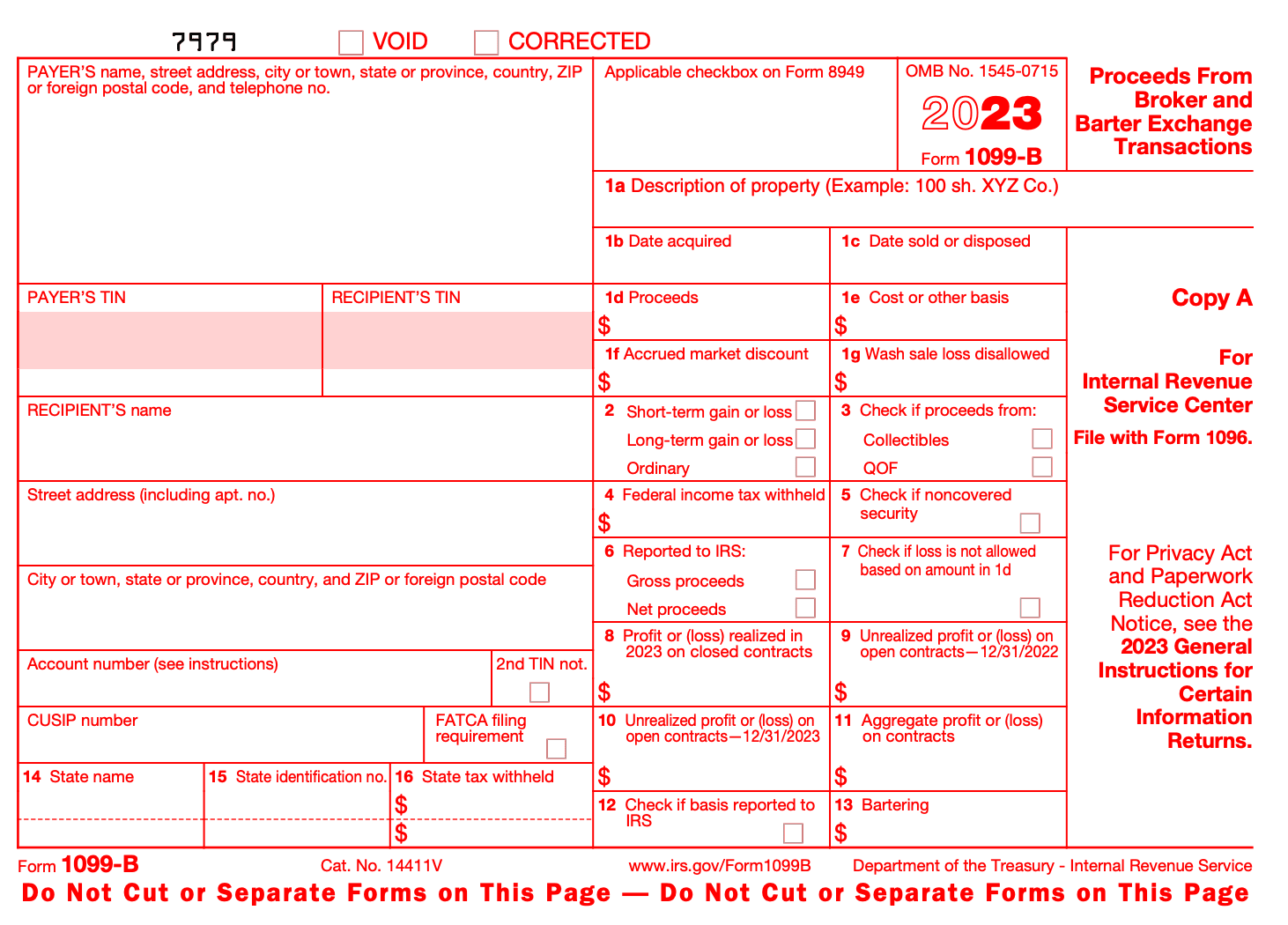
Calculating capital gains for traditional assets is streamlined by Form 1099-B, which provides a clear summary of your realized gains and losses. Tokenized assets lack this centralized reporting infrastructure. Investors must aggregate data from multiple wallets, smart contracts, and decentralized exchanges (DEXs) to build a defensible tax position. This creates a significant operational gap between the two asset classes. If you are exploring how tokenized fundraising works, ensure you account for these reporting requirements early.
| Feature | Traditional Assets | Tokenized Assets |
|---|---|---|
| Reporting Source | Brokerage Form 1099-B | Self-reported via blockchain logs |
| Cost Basis | Automatically tracked | Manual calculation (including gas) |
| Taxable Events | Dividends, sales, interest | Sales, trades, protocol rewards |
| Documentation | Standardized statements | Third-party crypto tax software |
Cost basis tracking for on-chain transactions
Tracking the cost basis for tokens is complex because it involves accounting for transaction fees paid in native network tokens. For instance, if you purchase a tokenized asset on the Ethereum network, the gas fee paid in ETH is considered part of the acquisition cost. Failing to include these fees can lead to an artificially high reported gain and increased tax liability. To manage this, professional investors often rely on specialized software like Koinly, CoinTracker, or ZenLedger to parse raw blockchain data and generate tax reports that align with IRS requirements.
Holding period requirements for long-term rates
The eligibility for long-term capital gains tax rates—which are generally lower than short-term rates—applies to both asset classes if held for more than one year. However, proving the holding period for tokenized assets is more rigorous. Because there is no centralized brokerage statement to verify the date of acquisition, you must maintain a verifiable audit trail of your wallet history. Ensure your records include the transaction hash, the date of purchase, and the specific wallet address used for the acquisition. When managing these assets, many investors look into a Binance vs hardware wallet privacy comparison to secure their long-term holdings.
Reporting obligations and documentation requirements
When filing taxes, tokenized asset holders must report each disposal on Form 8949 and Schedule D, mirroring the process for other property sales. While traditional brokerage statements provide a consolidated view, tokenized asset holders must aggregate data from multiple sources. This manual reconciliation is prone to errors, particularly when dealing with complex DeFi interactions such as liquidity provision or tokenized yield farming.
Best practices for compliance
- Maintain a dedicated spreadsheet for every wallet address used in your investment activities.
- Export CSV files from all DEXs and centralized exchanges at the end of each tax year.
- Document the fair market value (FMV) of the token in USD at the exact time of the transaction.

- Keep detailed records of all gas fees, as these are part of your total acquisition cost.
Jurisdictional variance and cross-border tax risks
The borderless nature of blockchain protocols introduces unique tax nexus challenges. When an asset is tokenized and traded globally, determining the primary tax jurisdiction can become ambiguous. Investors must navigate the specific tax laws of their country of residence, which may not have clear provisions for fractionalized or tokenized assets. This ambiguity can lead to reporting gaps or the risk of double taxation if multiple jurisdictions claim taxing rights over the same digital asset.
Practical limitations in current tax compliance
The primary barrier to seamless compliance is the lack of standardized guidance. Tax authorities are still developing frameworks to address the nuances of tokenized assets, leaving investors to interpret existing property laws in a digital context. Furthermore, tokenized assets can experience rapid price fluctuations, making it difficult to determine the fair market value at the exact time of a transaction. Investors should use reputable, consistent price oracles or exchange data to document their valuation methods for RWA, ensuring they have a defensible position in the event of an inquiry.
Frequently Asked Questions
What are the main distinctions in tax treatment for tokenized versus traditional assets?
Tokenized assets are typically classified as property, meaning every sale or exchange is a taxable event. Traditional assets benefit from established frameworks that differentiate between dividends, interest, and capital gains, often with automated reporting provided by brokerages.
What are the mandatory reporting requirements for tokenized asset holdings?
You must report the sale or exchange of tokenized assets as capital gains or losses on your tax return, similar to how you would report the sale of stocks or other property.
Are there tax-efficient strategies for holding tokenized assets?
Generally, holding an asset does not trigger a taxable event. However, selling, trading, or receiving income from tokenized assets is usually subject to tax. Tax efficiency is best achieved through careful record-keeping and utilizing tax-loss harvesting where applicable.
How does the IRS classify tokenized real estate?
The IRS typically treats tokenized real estate as property. Consequently, any gains realized from the sale of these tokens are subject to capital gains tax based on the holding period.
What is the essential record-keeping for tokenized asset tax compliance?
You should maintain detailed records of purchase dates, acquisition costs, transaction fees (gas), and the fair market value of the tokens at the time of any sale or exchange to ensure accurate reporting.
- Compliance strategies for managing tax implications of tokenized assets
- Understanding capital gains tax on tokenized securities versus traditional brokerage assets
- Strategic compliance frameworks for tax reporting for tokenized assets in the US
- Tax treatment of tokenized gold and capital gains implications


