



Market shift toward on-chain asset representation: Best crypto tax software for tokenized assets
The transition from simple fungible tokens to complex real-world asset tokens requires a fundamental shift in how investors approach tax reporting. Standard crypto tax tools often fail to capture the nuances of fractional ownership, necessitating specialized software capable of parsing complex smart contract interactions.
Complexity of fractional ownership reporting
Fractional ownership of real estate or bond tokens introduces multi-layered cost-basis tracking that exceeds the capabilities of basic portfolio trackers. Investors must ensure their chosen software can reconcile individual token IDs with specific acquisition dates and price points, rather than relying on simple ‘first-in, first-out’ (FIFO) logic applied to fungible assets.
For instance, if you hold a fraction of a tokenized commercial building, the software must track the specific ‘token ID’ associated with your share to correctly calculate the cost basis when that specific fraction is sold.
Data ingestion and API connectivity standards
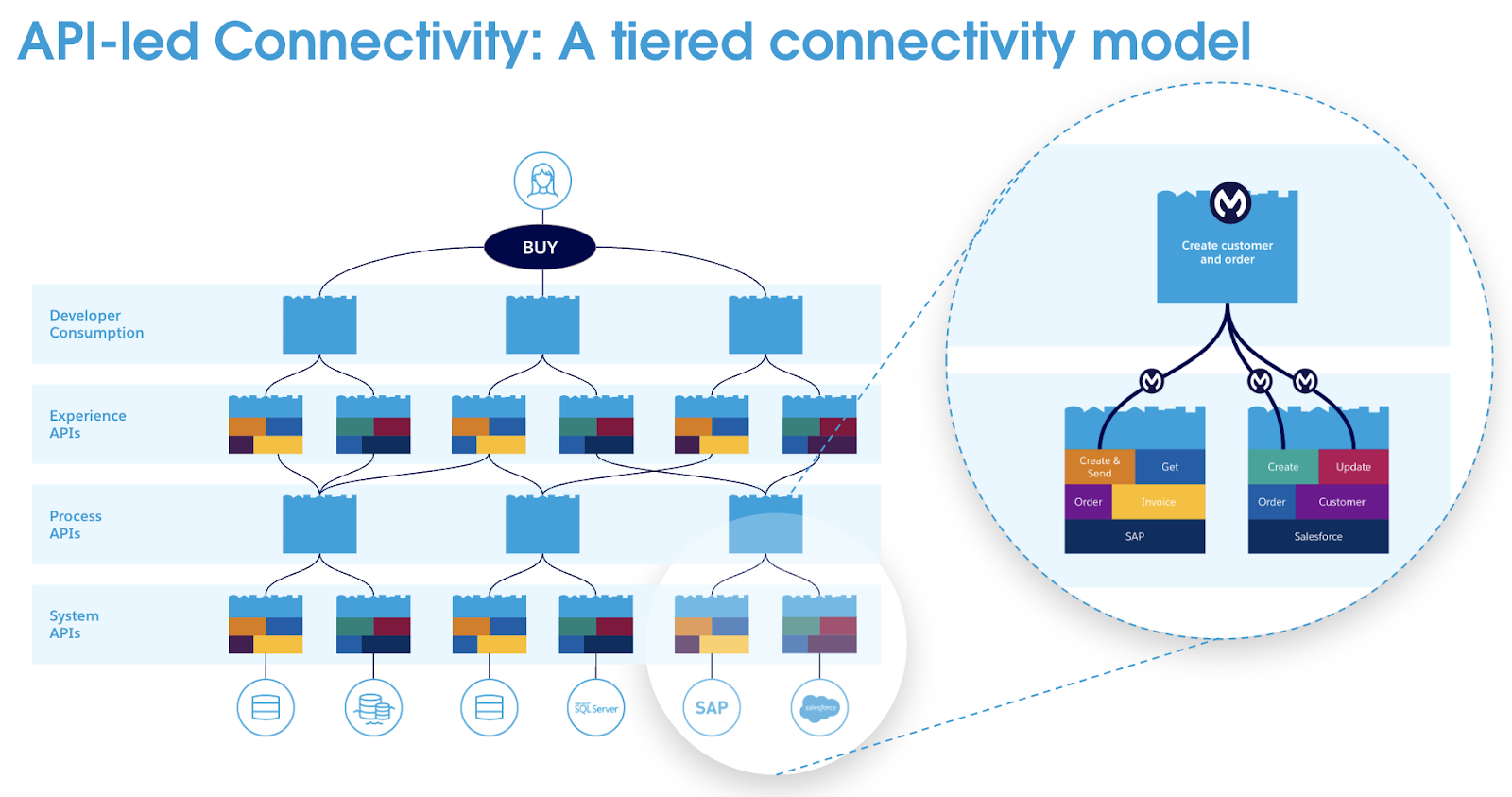
To accurately report tokenized holdings, software must support robust API connectivity that reaches beyond public blockchain explorers. The best crypto tax software for how to calculate cost basis for tokenized assets must be able to ingest data from private ledgers and permissioned protocols where RWA tokens often reside.
Look for platforms that offer direct integration with institutional custodians like Fireblocks or Copper, as these providers often hold the metadata required to distinguish between different classes of tokenized securities.
Handling non-standard smart contract events
Custom smart contract functions frequently trigger events that do not map cleanly to traditional tax categories. Effective reporting tools must allow users to manually define or map these events—such as protocol-specific dividend distributions or staking rewards—to ensure they are correctly classified as income or capital gains.
Without this manual override capability, you risk misreporting a dividend as a capital gain, which can lead to significant discrepancies during an audit.
Cost basis calculation methods for tokenized securities
Tokenized securities operate under accounting rules that differ significantly from volatile crypto-assets. Software must support granular cost-basis adjustments to account for corporate actions that occur on-chain, ensuring that the tax record reflects the underlying economic reality of the asset. Investors should also be aware of on-chain asset valuation methods to ensure their reporting aligns with market standards.
Automating adjustments for corporate actions
Corporate actions like stock splits, mergers, or token burns require precise mathematical adjustments to the cost basis per unit. Automated software should detect these events via smart contract logs and apply the necessary adjustments to the user’s ledger without requiring manual intervention, which significantly reduces the risk of human error.
For example, if a tokenized equity undergoes a 2-for-1 split, the software must automatically halve the cost basis per token to maintain accurate capital gains calculations.
Regulatory compliance and audit trail integrity
Institutional-grade tax reporting demands immutable audit logs that can withstand scrutiny from tax authorities. A reliable platform must provide a transparent, step-by-step history of every transaction, including the specific smart contract function calls that influenced the tax outcome.
Requirements for tax authority data exports
Tax authorities require standardized documentation that clearly links on-chain activity to fiat-denominated tax liabilities. The software must generate reports in formats compatible with common accounting software and provide detailed documentation that explains the methodology used for complex asset valuations.
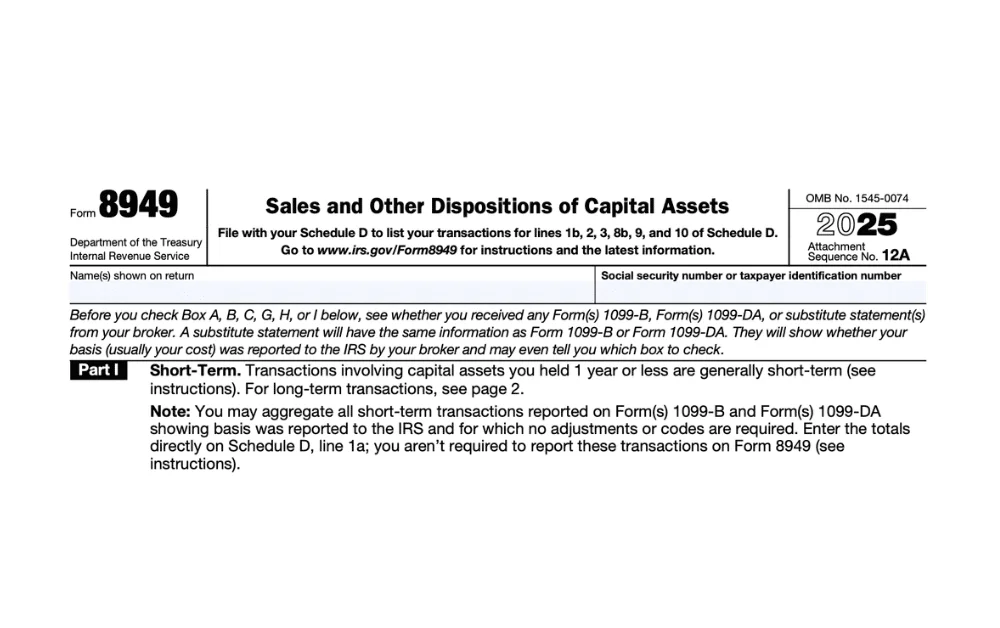
Ensure the platform can export data in CSV or XML formats that align with IRS Form 8949 or equivalent international standards.
Operational scalability for multi-chain portfolios
As investors diversify across multiple chains, the ability to aggregate data into a single, cohesive view is vital. Software that supports cross-chain interoperability prevents data silos and ensures that exit events are calculated accurately regardless of the network where the liquidity pool resides. For comprehensive management, consider strategies for managing multi-chain assets.
Managing liquidity and exit events
Moving tokenized assets between liquidity pools or secondary markets can trigger taxable events that are often overlooked. Advanced reporting tools must track the movement of assets across these environments, ensuring that every ‘wrap,’ ‘unwrap,’ or ‘swap’ is accounted for according to the local tax jurisdiction’s rules.
When evaluating tools, verify they can handle ‘bridge’ transactions, which are frequently misclassified as disposals by less sophisticated software.
Evaluating Security and Privacy Protocols
When selecting the best crypto tax software for tokenized assets, security is as critical as calculation accuracy. Because these platforms require read-only access to your wallet addresses or API keys from exchanges, you must prioritize tools that utilize SOC 2 Type II compliance and offer end-to-end encryption for stored data. Understanding the tax treatment of tokenized carbon credits or other niche assets is also important for comprehensive portfolio management.
Avoid platforms that require private keys; legitimate tax software only needs public addresses to pull transaction history from the blockchain. Always check if the provider allows for local data deletion, ensuring that your financial footprint is not permanently stored on their servers after you generate your annual reports.
Frequently Asked Questions
Tax treatment differences between tokenized and traditional assets
In many jurisdictions, tokenized assets are taxed based on their underlying nature (e.g., real estate or securities) rather than their digital format, though the reporting mechanism differs. For instance, many investors often ask is tokenized gold subject to capital gains tax, which depends on specific local regulations.
Reporting requirements for tokenized asset holdings
Yes, you are generally required to report the acquisition, disposal, and income generated from tokenized assets, just as you would with traditional financial instruments.
Tax-free holding structures for tokenized assets
Holding an asset is generally not a taxable event, but selling or exchanging it for a profit typically triggers capital gains tax. There are no inherent tax-free methods for holding these assets.
IRS classification of tokenized real estate
The IRS typically classifies tokenized real estate as an investment property or security, subject to capital gains tax upon sale and potential income tax on rental distributions.
Essential record-keeping for tokenized asset tax reporting
You should maintain records of all transaction hashes, smart contract addresses, acquisition dates, cost basis, and any documentation regarding corporate actions like splits or dividends.
- Compliance strategies for managing tax implications of tokenized assets
- Understanding capital gains tax on tokenized securities versus traditional brokerage assets
- Strategic compliance frameworks for tax reporting for tokenized assets in the US
- Tax treatment of tokenized gold and capital gains implications


