



Why Crypto Teams Settle in Istanbul: Top 10 Companies to Know is a question answered by the city’s unique combination of deep financial expertise, a digitally engaged population, and a strategic position bridging European and Asian markets. This environment provides the ideal infrastructure for companies to scale blockchain solutions and reach a diverse, tech-savvy user base.
Positioned at the crossroads of Europe and Asia, Istanbul has developed into a notable center for cryptocurrency trading, blockchain development, and digital financial innovation. Its appeal goes beyond geography. A mature financial services sector, a growing technology community, and strong public interest in digital assets have created an environment where businesses can explore new applications of blockchain technology while remaining connected to established financial markets.
But Istanbul’s crypto story is not just about exchanges. Alongside recognizable trading platforms, the city is home to companies working on stablecoins, digital asset infrastructure, Web3 incubation, and blockchain-based applications. These businesses represent different approaches to a common opportunity: making digital assets more accessible, useful, and integrated into the wider economy.
For founders, investors, developers, and professionals looking to understand the market, knowing which companies are shaping this ecosystem offers a valuable starting point. This article explores 10 crypto and blockchain companies worth watching in Istanbul, examining their business models, areas of focus, and contributions to Türkiye’s evolving digital asset landscape.
Rather than ranking companies by trading volume or valuation, this curated list highlights businesses with distinct roles in the ecosystem, from established platforms to specialized technology ventures.
Why Crypto Teams Settle in Istanbul: Top 10 Companies to Know
Istanbul’s emergence as a destination for crypto businesses is rooted in several interconnected developments. Its financial infrastructure, market characteristics, and entrepreneurial environment make it particularly relevant to companies exploring the next generation of digital financial services.
1. A Market Where Digital Finance Meets Everyday Needs
Cryptocurrency adoption in Türkiye has developed alongside broader changes in consumer financial behavior. Digital payments, mobile banking, and online investment platforms have become increasingly familiar to users, creating an environment in which alternative financial products can attract attention.
For crypto businesses, this presents an opportunity to develop services that address practical user needs, from digital asset trading to blockchain-based financial applications. The market also offers valuable insights into how consumers interact with digital currencies and emerging financial technologies.
2. A Strategic Bridge Between Europe and Asia
Istanbul’s geographical position gives companies access to multiple markets and business networks. For startups with international ambitions, the city can serve as a base for exploring opportunities across Europe, the Middle East, and Central Asia.
This regional connectivity is particularly relevant to blockchain companies, whose products and communities often extend beyond national borders. Building in Istanbul allows teams to operate within Türkiye’s technology ecosystem while maintaining a broader international perspective.
3. A Strong Foundation in Financial Services
The city has a long-standing financial services industry, supported by banking institutions, investment firms, and fintech businesses. This foundation creates opportunities for collaboration between traditional financial expertise and blockchain innovation.
As digital assets become more closely connected to institutional finance, capabilities such as custody, compliance, transaction processing, and risk management are becoming increasingly important. Istanbul’s financial ecosystem provides a relevant environment for businesses developing these capabilities.
4. A Growing Community of Blockchain Builders
The development of a crypto ecosystem depends on more than companies offering financial products. It also requires developers, researchers, founders, investors, and organizations capable of supporting early-stage innovation.
Istanbul’s technology community brings together these different participants, creating opportunities for collaboration across blockchain infrastructure, decentralized applications, and Web3 ventures. This diversity helps explain why the city’s crypto landscape includes both established exchanges and businesses focused on emerging technologies.
5. A More Structured Regulatory Landscape
Türkiye has continued to develop its regulatory framework for crypto asset service providers. The introduction of additional requirements has made regulatory awareness an increasingly important consideration for companies operating in the market.
Although compliance introduces new operational responsibilities, a clearer framework can also help businesses understand the expectations associated with offering digital asset services. For companies seeking sustainable growth, regulatory readiness is becoming an important part of their long-term strategy.
Together, these factors make Istanbul an interesting market for businesses exploring the intersection of cryptocurrency, financial services, and blockchain technology.
Top 10 Crypto Companies in Istanbul to Know
From platforms facilitating digital asset transactions to ventures building the infrastructure behind Web3, the following companies illustrate the range of activity within Istanbul’s crypto ecosystem.
1. Paribu – Expanding Beyond Cryptocurrency Trading
Founded in 2017, Paribu has become one of the most recognizable names in Türkiye’s cryptocurrency industry. What began as a digital asset trading platform has developed into a broader business spanning blockchain technology, digital asset custody, fintech, and financial innovation.

Paribu’s development reflects a wider shift in the crypto industry. As digital assets become more integrated into financial services, exchanges are increasingly exploring opportunities beyond buying and selling tokens. Custody infrastructure, institutional services, and blockchain-based applications are becoming important areas of investment.
One notable example is Paribu Custody, which focuses on digital asset safekeeping and infrastructure for institutional use cases. The company’s investment in proprietary custody technology demonstrates how local crypto businesses are exploring the technical foundations required for more sophisticated digital asset services.
Paribu has also expanded its international presence through strategic partnerships and developments in decentralized finance, reflecting an ambition that extends beyond its domestic market.
Why it stands out: Paribu illustrates how an established exchange can evolve into a diversified digital asset business. Its development makes it a useful company to follow when examining the convergence of cryptocurrency trading, institutional infrastructure, and broader financial innovation in Türkiye.
2. BtcTurk – An Established Name in Türkiye’s Digital Asset Market
BtcTurk is one of the established participants in Türkiye’s cryptocurrency market. Its trading services have contributed to the development of the country’s digital asset ecosystem, helping make cryptocurrency transactions accessible to a wider audience.
The company operates through different platform offerings, including BtcTurk and BtcTurk PRO, addressing varying user requirements within the trading market. This approach reflects a broader trend among exchanges: serving both individuals seeking straightforward access to digital assets and users who require more advanced trading functionality.
BtcTurk’s significance also lies in its longevity within a rapidly changing industry. Operating through multiple market cycles requires businesses to adapt to changing user expectations, technology developments, and regulatory requirements.
Why it stands out: BtcTurk provides a useful perspective on the evolution of Türkiye’s domestic cryptocurrency market. Its established presence makes it relevant to discussions about how local exchanges develop their services as the digital asset industry matures.
3. ICRYPEX – Connecting Digital Asset Trading With Global Markets
ICRYPEX is a cryptocurrency trading platform founded in Türkiye in 2018. Its business focuses on providing access to digital asset markets, with services designed for users interested in cryptocurrency trading and portfolio management.

The company operates in a segment where product experience, market access, and platform reliability are central to the customer relationship. As competition among exchanges increases, businesses must consider how to serve different trading preferences while maintaining clear and accessible user experiences.
ICRYPEX is also relevant to the broader discussion of Turkish crypto businesses seeking visibility beyond their domestic market. Its activities reflect the international orientation of an industry in which platforms, assets, and users frequently operate across borders.
Why it stands out: ICRYPEX represents the development of locally established cryptocurrency platforms with an international outlook. It is worth following for insights into how Turkish exchanges position themselves in an increasingly competitive digital asset market.
4. Bitlo – Making Digital Asset Access More Approachable
Bitlo is a Türkiye-based cryptocurrency platform focused on providing users with access to digital assets through a consumer-oriented trading experience.
The company operates in a market where accessibility plays an important role in adoption. For many users, the first interaction with cryptocurrency takes place through an exchange, making platform design, account management, and the clarity of transaction processes particularly relevant.
As the market develops, exchanges such as Bitlo operate within a broader shift toward more familiar and structured digital financial experiences. The challenge is not simply to provide access to cryptocurrencies, but to make the process understandable for users with different levels of experience.
Why it stands out: Bitlo highlights the importance of user experience in the cryptocurrency industry. Its role helps illustrate how domestic platforms contribute to the accessibility and development of digital asset services in Türkiye.
5. Bitexen – Supporting a Diverse Cryptocurrency Trading Environment
Bitexen is another established participant in Türkiye’s digital asset market. Its platform provides cryptocurrency trading services, placing it within a competitive segment shaped by changing market conditions and user expectations.
For exchanges, long-term relevance depends on more than the number of assets available. Platform performance, operational processes, security practices, and the ability to respond to market developments all influence how businesses maintain their position.
Bitexen’s presence contributes to the diversity of Türkiye’s domestic exchange landscape, where multiple platforms serve users with different preferences and trading requirements.
Why it stands out: Bitexen is worth including in any overview of Istanbul’s crypto ecosystem because it represents the established exchange segment beyond the industry’s most frequently discussed names. Its business provides another perspective on the development of local digital asset services.
6. CoinTR – Bringing Financial Expertise Into the Crypto Space
CoinTR is an Istanbul-based cryptocurrency exchange established in 2021. The company focuses on digital asset trading and related financial technology services, combining its exchange operations with products such as a Web3 wallet and market information tools.
CoinTR’s positioning reflects an important characteristic of the Turkish crypto industry: the intersection of traditional financial expertise and emerging blockchain applications. As digital assets become more closely connected to financial services, businesses need to understand both the technical requirements of blockchain and the expectations associated with financial products.
The company’s emphasis on financial and technology experience illustrates the importance of cross-disciplinary teams in developing digital asset platforms. This combination can be particularly valuable as the industry explores new services and more complex product offerings.
Why it stands out: CoinTR offers an example of how Istanbul-based businesses are combining financial knowledge with blockchain technology. Its development is relevant to anyone interested in the changing relationship between traditional finance and cryptocurrency services.
7. BiLira – Exploring the Potential of Turkish Lira-Backed Digital Assets
BiLira is a digital finance company founded in 2019, best known for its work on TRYB, a Turkish lira-linked stablecoin. Its focus places it in a particularly interesting segment of the blockchain industry: the development of digital representations of traditional currencies.
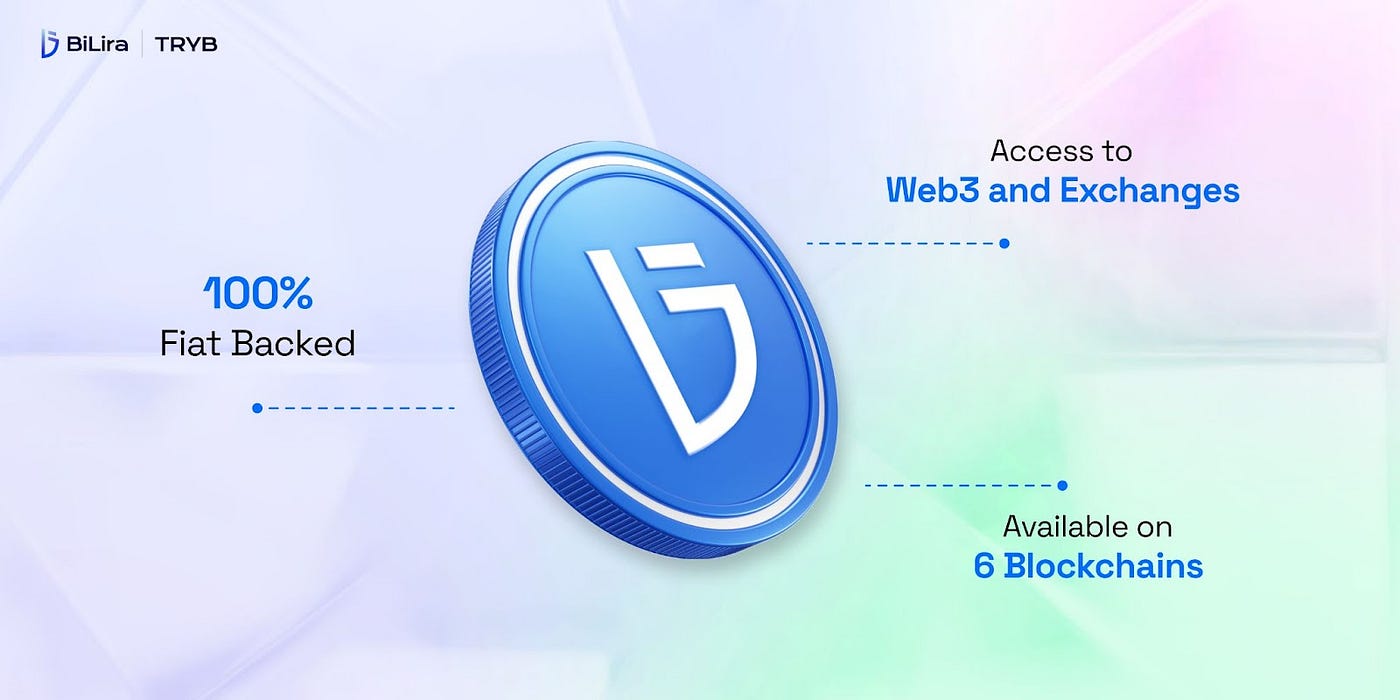
Stablecoins are designed to maintain a relatively stable value against a reference asset, making them relevant to applications such as digital transfers, blockchain-based financial services, and decentralized finance. Local-currency stablecoins introduce another dimension by connecting blockchain activity with familiar national currencies.
BiLira’s work reflects the broader exploration of how digital assets can support financial applications beyond speculative trading. Its focus on financial services and blockchain technology highlights the potential for new models of interaction between conventional currencies and digital infrastructure.
Why it stands out: BiLira represents a different side of Istanbul’s crypto ecosystem. Rather than focusing primarily on exchange operations, it explores how blockchain can be applied to digital finance and currency-related use cases.
8. Coinoxs – Supporting the Development of Web3 Ventures
Coinoxs operates in the Web3 ecosystem through incubation, acceleration, and support for blockchain-related projects. Its activities are associated with emerging areas such as decentralized finance, non-fungible tokens, and other applications built around blockchain technology.
The role of organizations like Coinoxs is particularly important in an industry where technological innovation often develops faster than conventional business structures. Early-stage teams may need support in refining their ideas, developing products, and navigating the challenges of bringing blockchain applications to market.
By focusing on the development of Web3 ventures, Coinoxs represents a part of the ecosystem that operates behind the scenes of consumer-facing platforms. Its contribution is connected to the creation of new products and the broader growth of blockchain entrepreneurship.
Why it stands out: Coinoxs demonstrates that Istanbul’s crypto ecosystem is not limited to trading platforms. Its focus on supporting Web3 projects highlights the importance of incubation and ecosystem development in building a sustainable innovation environment.
9. Chainway – Building Opportunities Across the Web3 Ecosystem
Chainway is associated with Web3 venture building, an approach that focuses on developing new businesses and products within the decentralized technology landscape.
Unlike a conventional cryptocurrency exchange, a venture builder works closer to the early stages of business creation. Its relevance lies in the process of turning ideas into structured projects, where technology, product strategy, and commercial development must progress together.
This model is particularly interesting in Web3 because founders often face challenges that extend beyond software development. Building a viable blockchain business may involve community engagement, token-related considerations, technical architecture, and the development of a sustainable operating model.
Why it stands out: Chainway represents the entrepreneurial dimension of Istanbul’s blockchain ecosystem. Its focus highlights the role of venture development in supporting the next generation of Web3 businesses.
10. Defy – Bringing AI-Powered Compliance to the Digital Asset Industry
As cryptocurrency businesses expand across markets, regulatory compliance and transaction security have become increasingly important operational priorities. Defy addresses these challenges through an AI-powered compliance platform designed for cryptocurrency exchanges, financial institutions, fintech companies, and Web3 businesses.
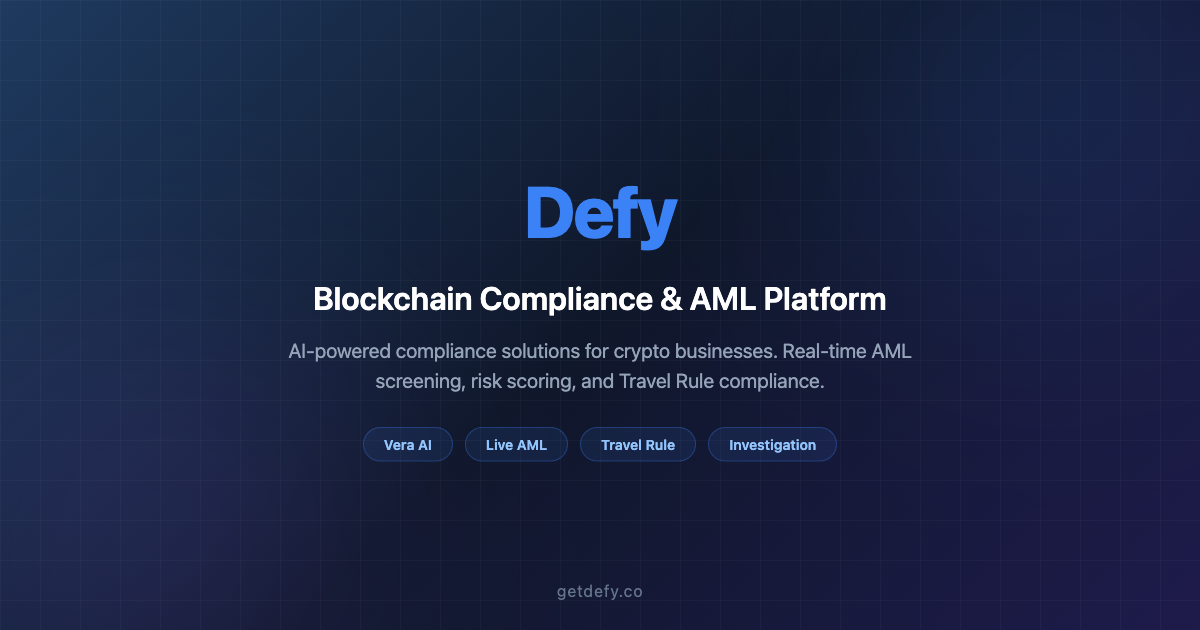
The company focuses on several critical areas of digital asset compliance, including Anti-Money Laundering (AML), Know Your Transaction (KYT), fraud detection, and Travel Rule solutions. Its platform combines blockchain analytics with AI-driven risk assessment to help businesses identify potentially suspicious activity and manage compliance workflows more efficiently.
One of Defy’s notable offerings is Vera AI, an AI-powered compliance solution designed to support risk analysis and monitoring. The company also provides tools for real-time transaction screening and the exchange of compliance-related information between Virtual Asset Service Providers (VASPs).
Rather than focusing on cryptocurrency trading itself, Defy operates in the infrastructure layer that supports responsible digital asset operations. This makes its business particularly relevant as the industry faces growing expectations around transparency, security, and regulatory accountability.
Why it stands out: Defy represents an increasingly important segment of the crypto ecosystem: compliance technology. Its work illustrates how AI and blockchain analytics can support the operational foundations of digital asset businesses, making it a relevant company to watch as Türkiye’s crypto industry continues to mature.
What Does the Future Hold for Crypto Companies in Istanbul?
Istanbul’s crypto ecosystem is entering a period in which business maturity may become just as important as technological innovation. As digital asset markets evolve, companies will need to demonstrate not only their ability to build products but also their capacity to operate sustainably.
Several developments are particularly worth watching.
Institutional Adoption and Digital Asset Infrastructure
As financial institutions explore blockchain-based services, demand for custody, transaction infrastructure, and operational reliability is likely to remain an important area of development. Companies investing in these capabilities may help connect digital asset technology with more established financial systems.
Stablecoins and Real-World Applications
Stablecoins and tokenization continue to attract attention because they offer potential applications beyond cryptocurrency speculation. For Istanbul-based businesses, these areas create opportunities to explore digital payments, asset representation, and new financial services.
However, their long-term development will depend on appropriate infrastructure, regulatory clarity, and practical use cases.
Web3 Entrepreneurship and Product Development
The next phase of blockchain adoption will require products that solve recognizable problems. Web3 incubators, venture builders, and technology teams can contribute by helping founders move from experimental concepts toward applications with clear user value.
For Istanbul, the continued development of this entrepreneurial layer could be an important factor in strengthening the city’s position within the regional technology landscape.
Compliance as a Competitive Consideration
Regulatory requirements are becoming an increasingly important part of operating a digital asset business. Companies that integrate compliance considerations into their business models from the beginning may be better positioned to navigate an evolving market.
This does not eliminate the challenges associated with regulation, but it reinforces the importance of operational discipline alongside innovation.
Ultimately, Istanbul’s future as a crypto hub will depend on how effectively its companies combine technology, financial expertise, responsible operations, and sustainable business development.
Frequently Asked Questions
1. Why are crypto companies choosing Istanbul?
Crypto companies are drawn to Istanbul because of its strategic location, established financial services sector, digitally engaged population, and access to technology talent. The city also offers opportunities to develop products for Türkiye’s domestic market while maintaining connections with international business networks.
2. Which crypto companies are based in Istanbul?
Notable companies associated with Istanbul’s crypto ecosystem include Paribu, BtcTurk, ICRYPEX, Bitlo, Bitexen, CoinTR, BiLira, and Coinoxs. The broader landscape also includes Web3-focused ventures such as Chainway and Seedify.
3. Is Istanbul a good location for blockchain startups?
Istanbul offers several advantages for blockchain startups, including access to technical professionals, financial expertise, and an active digital economy. However, success depends on factors such as product-market fit, funding, regulatory awareness, security, and the ability to develop sustainable business models.
4. What types of blockchain companies operate in Istanbul?
The city’s ecosystem includes cryptocurrency exchanges, stablecoin developers, digital finance businesses, Web3 incubators, venture builders, and blockchain technology projects. This diversity reflects the industry’s expansion beyond trading into infrastructure and application development.
5. What is the difference between a crypto exchange and a Web3 company?
A crypto exchange primarily provides services for buying, selling, or trading digital assets. A Web3 company may develop decentralized applications, blockchain infrastructure, digital finance products, or tools that support blockchain-based ecosystems. Some businesses operate across both categories. You can learn more about types crypto exchanges here.


