



Are cloud security jobs remote? Core drivers of flexibility
Yes, many cloud security jobs are remote because the assets being protected exist entirely within virtual environments. When asking if are cloud security jobs remote, the answer lies in the fact that professionals interact with cloud service providers (CSPs) like AWS, Azure, and Google Cloud via web-based interfaces or command-line tools. Physical proximity to a data center is irrelevant to the job function.
Infrastructure abstraction and remote access
The shift to Infrastructure as Code (IaC) has fundamentally decoupled security operations from physical geography. Security engineers now define network policies, identity and access management (IAM) roles, and encryption standards using software supply chain security configuration files written in Terraform, CloudFormation, or Pulumi.
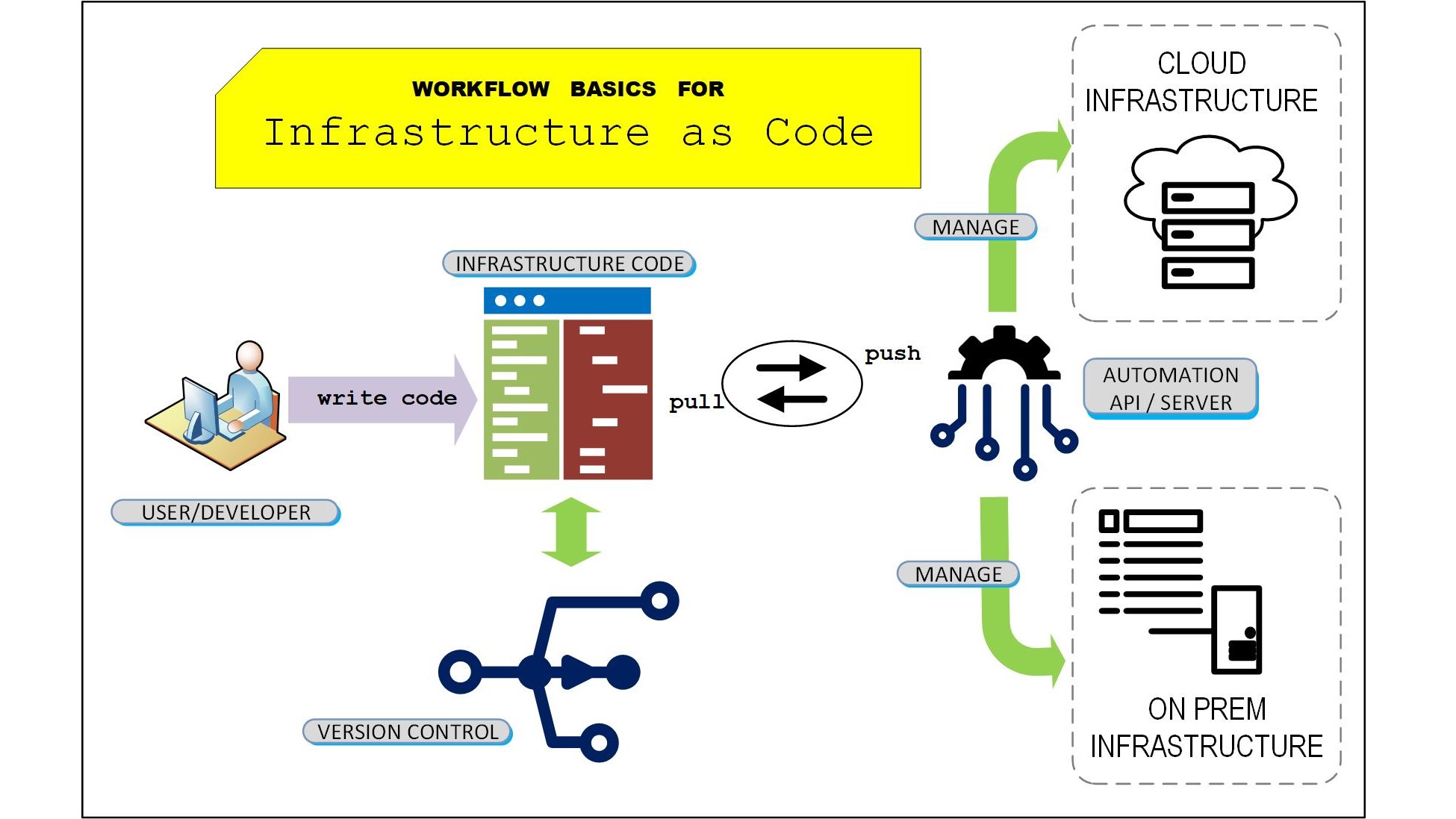
Because these files are stored in version control systems like GitHub or GitLab, a security professional can audit, deploy, and remediate vulnerabilities from any location with a secure internet connection. Modern security operations centers (SOCs) utilize cloud-native tools that provide global visibility without requiring local network access.
For example, tools like AWS GuardDuty, Azure Sentinel, and Palo Alto Networks Prisma Cloud aggregate telemetry data from globally distributed workloads into a single dashboard. This centralization allows analysts to investigate threats, analyze logs, and trigger automated incident response workflows through APIs. Since these tools are accessed via encrypted browser sessions or VPN tunnels, the physical location of the analyst does not impact their ability to monitor or secure the environment.
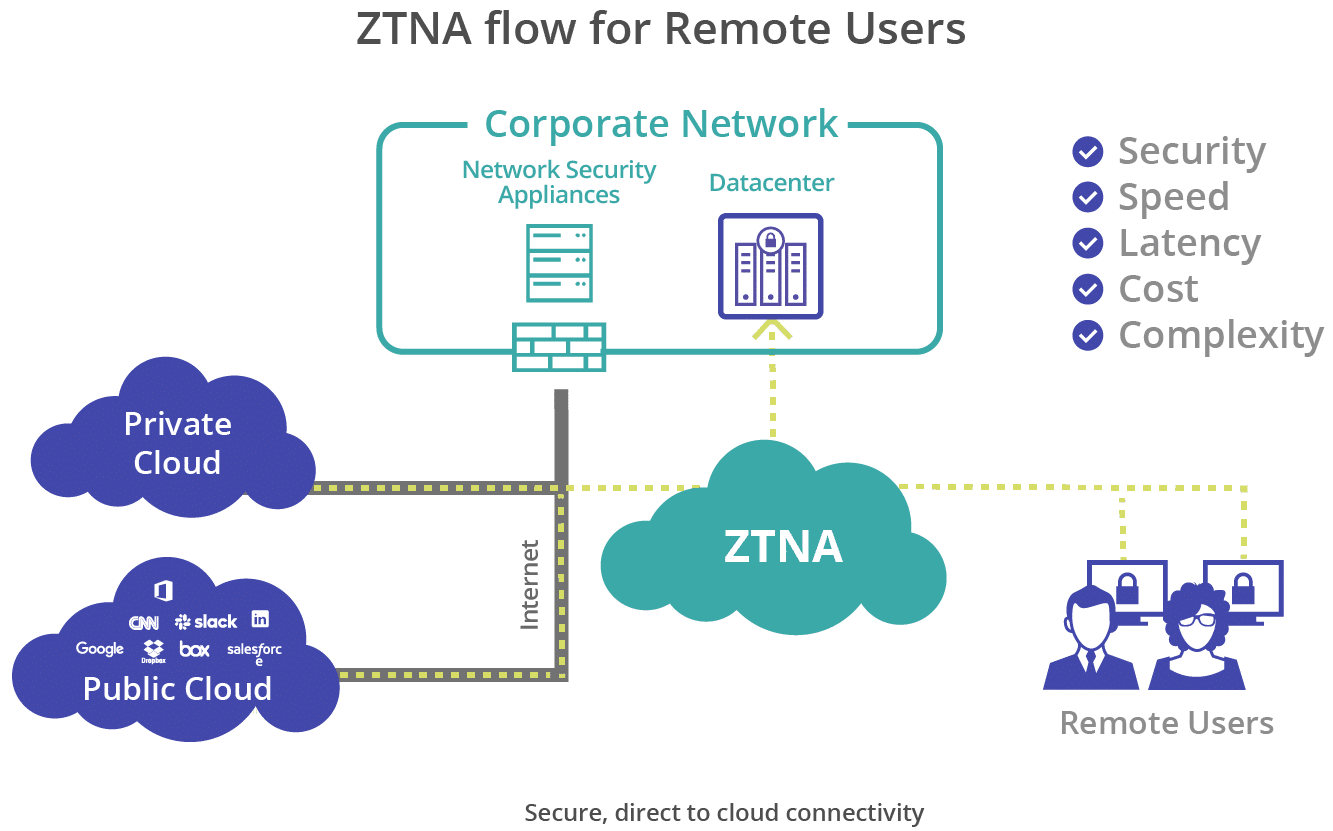
Furthermore, the adoption of Zero Trust Architecture (ZTA) has reinforced the viability of remote work. By verifying every request regardless of its origin, organizations no longer rely on the “castle-and-moat” security model that previously mandated office-based network access. Secure Access Service Edge (SASE) solutions provide the necessary connectivity, ensuring that those wondering about the is cloud security part of cybersecurity landscape can manage complex multi-cloud environments while maintaining the same level of granular control as they would from a corporate office.
Technical requirements for remote cloud security jobs
Transitioning to a remote role requires more than just a stable internet connection; it demands a robust, hardware-agnostic security posture. Professionals must operate within Zero Trust architectures, where access to sensitive production environments is strictly governed by identity-based controls rather than physical office network location.
Employers typically mandate the use of hardware security keys, such as YubiKey, and encrypted VPN tunnels to ensure that remote endpoints meet the same compliance standards as on-site infrastructure.
Essential toolsets for distributed security teams
Distributed security teams rely on cloud-native platforms that provide centralized visibility without requiring local network access. The effectiveness of a remote security engineer often hinges on their proficiency with top cloud security tools and CI/CD integration tools.
When comparing CSPM solutions, tools like Wiz and Prisma Cloud stand out for their ability to provide a unified dashboard of misconfigurations across multi-cloud environments. These platforms allow remote engineers to identify vulnerabilities in S3 buckets, IAM roles, or container configurations in real-time, regardless of their geographical location. Unlike legacy on-premise scanners, these tools operate via API integrations, making them ideal for remote workflows.
CI/CD pipeline security is equally critical for remote teams to maintain velocity without sacrificing safety. Key integrations include:
- Snyk: Used for automated dependency scanning and container security, allowing engineers to catch vulnerabilities during the build phase before code reaches production.
- Checkov: An infrastructure-as-code (IaC) scanner that enables remote teams to audit Terraform or CloudFormation templates locally before deployment.
- GitHub Advanced Security: Provides secret scanning and code analysis that triggers alerts directly within the developer’s workflow, ensuring that remote engineers can collaborate on remediation without needing to be in the same room.
By leveraging these tools, professionals can effectively manage, monitor, and remediate threats from any location. The shift toward API-first security tooling has effectively removed the technical barriers that previously necessitated physical presence in a Security Operations Center (SOC).
Industry sectors limiting remote flexibility
While cloud security is inherently digital, certain sectors prioritize physical presence for security governance and operational continuity. Companies operating in highly regulated environments often require security teams to work from secure facilities to mitigate risks associated with home network vulnerabilities and physical data access.
Regulatory constraints in government and defense
Government agencies and defense contractors frequently mandate on-site work for cloud security professionals, even when the underlying infrastructure is entirely cloud-based. This requirement stems from strict compliance frameworks such as FedRAMP, NIST 800-53, and the Department of Defense Cloud Computing Security Requirements Guide.
In these environments, accessing sensitive data—even via encrypted cloud portals—often requires the use of hardware-based multi-factor authentication devices, secure workstations, or SCIFs (Sensitive Compartmented Information Facilities). The primary barrier is not the cloud architecture itself, but the classification level of the data being protected.
When dealing with Top Secret or classified information, the physical perimeter is considered an essential layer of the security stack. Organizations must ensure that the environment where the data is accessed is free from unauthorized recording devices and that the network traffic is routed through specific, government-approved gateways. Consequently, remote work for these roles is often restricted to “hybrid-secure” models, where professionals may perform policy documentation or cloud configuration audits remotely, but must be physically present for incident response or high-level architecture reviews.
Financial services and proprietary data handling
Large-scale financial institutions often impose similar restrictions. While cloud-native fintech startups are typically remote-first, established global banks frequently require security engineers to work from corporate offices. This is often driven by internal audit requirements that demand physical oversight of the infrastructure management process.
For these firms, the risk of a “man-in-the-middle” attack on a home router or the potential for unauthorized physical access to a company-issued laptop outweighs the benefits of a fully distributed workforce. Professionals in these sectors should expect to spend at least three days per week in the office, particularly when managing sensitive production environments or performing compliance reporting for regulatory bodies like the SEC or FINRA.
Remote work status in hybrid enterprise environments
While cloud-native organizations operate almost exclusively in remote settings, hybrid enterprises often require a more nuanced approach. In these environments, security professionals frequently work remotely for 80-90% of their tasks, such as configuring IAM policies, auditing logs in SIEM tools like Splunk, or managing container security via Prisma Cloud.
However, the requirement for physical presence arises when the infrastructure involves legacy on-premises hardware that lacks remote management capabilities or requires physical key-signing ceremonies.
Balancing virtual security with physical hardware
Managing a hybrid architecture forces security engineers to bridge the gap between software-defined perimeters and physical data centers. When your organization maintains on-premises hardware security modules (HSMs) or legacy firewalls, remote access is often restricted by strict compliance frameworks like PCI-DSS or SOC2.
In these scenarios, you may find yourself working remotely for the majority of the week, with scheduled site visits required for:
- Physical maintenance of hardware security modules that require local console access.
- Manual rotation of physical root-of-trust keys that cannot be handled via a remote API.
- Troubleshooting physical network gateways that have lost out-of-band management connectivity.
- Conducting physical audits of server racks to ensure compliance with data sovereignty regulations.
Most modern enterprises mitigate these physical requirements by implementing out-of-band management solutions, such as iDRAC or ILO, which allow for remote power cycling and BIOS configuration. If your role involves high-level architecture or cloud-native security orchestration, you can realistically remain fully remote.
Conversely, if your responsibilities include managing the physical layer of a hybrid stack, you should expect a hybrid work arrangement where your physical presence is required for hardware lifecycle management and emergency incident response. Before accepting a remote role in a hybrid firm, clarify whether the security team is responsible for the physical data center floor or if that duty is siloed to a separate infrastructure operations team.
Strategic career planning for remote-first roles
Transitioning into a remote cloud security position requires more than just technical proficiency; it demands a shift in how you demonstrate operational integrity from afar. Employers hiring for these roles prioritize candidates who can maintain visibility into ephemeral infrastructure without physical access to hardware.
To position yourself effectively, focus on building a portfolio that highlights your experience with Infrastructure-as-Code (IaC) security, such as auditing Terraform or CloudFormation templates for misconfigurations before deployment.
Evaluating company culture for remote support
Distinguishing between a truly cloud-native organization and one that is merely cloud-hosted is vital for your long-term success. A cloud-native company builds its security stack using API-driven tools that integrate seamlessly with CI/CD pipelines. During the interview process, ask specific questions about their security operations center (SOC) architecture.
If they rely on legacy VPNs for administrative access rather than Zero Trust Network Access (ZTNA) solutions like Tailscale or Cloudflare Access, they are likely still anchored to traditional, office-centric security models. Assess their commitment to remote work by examining their documentation culture.
A mature remote-first security team operates on an asynchronous basis, relying heavily on platforms like Confluence or Notion to maintain a single source of truth for incident response playbooks. If the hiring manager emphasizes “real-time collaboration” or “desk-side presence” for troubleshooting, it is a red flag that the organization lacks the infrastructure to support remote security engineers effectively.
To secure a high-quality remote role, emphasize your ability to manage security posture across multi-cloud environments using best cloud security companies and their platforms. These platforms are designed for remote visibility, allowing you to identify vulnerabilities, manage compliance, and enforce policies without needing to be on-site. By demonstrating that you can manage a complex threat landscape through these centralized dashboards, you prove that your effectiveness is not tied to a physical office location. Those looking to advance their compensation expectations should also research current cloud security engineer salary trends to ensure their remote offers remain competitive.
Frequently Asked Questions
Remote-friendly nature of cloud security roles
Yes, many cloud security roles are remote-friendly because the infrastructure itself is hosted in virtual environments, allowing engineers to manage security postures, identity access, and compliance via cloud-native tools from any location.
Factors limiting remote work in cloud security
Remote work may be restricted in sectors dealing with highly sensitive government data, critical infrastructure, or organizations that mandate physical hardware security keys and air-gapped systems for specific compliance audits.


