



Market gaps requiring specialized user experience design agencies
Mainstream product design firms often struggle to bridge the divide between high-level aesthetic polish and the rigid technical constraints of decentralized finance. While generalist digital marketing agencies excel at conversion optimization for e-commerce or SaaS, they frequently overlook the unique cognitive load inherent in blockchain-based interactions.
Specialized b2b ux design agency partners fill this gap by translating complex cryptographic operations into intuitive user flows. They ensure that security protocols do not become insurmountable barriers to adoption.
Complexity barriers in non-custodial wallet interfaces
Standard UX patterns, such as those found in banking apps or social media platforms, fail when applied to non-custodial wallets because they assume a central authority can recover lost credentials. In a decentralized environment, the user is the sole custodian of their private keys, which introduces a high-stakes failure state that most designers are not equipped to handle.
When an agency attempts to force a traditional “forgot password” flow onto a mnemonic seed phrase recovery process, they create a false sense of security that leads to catastrophic user error. Effective design in this sector requires a deep understanding of the following technical friction points:
- Transaction Transparency: Users must verify the destination address and gas fees without the safety net of a transaction reversal mechanism.
- Key Management Literacy: Interfaces must educate users on the permanence of seed phrases without overwhelming them with jargon during the onboarding phase.
- Asynchronous Confirmation: Unlike centralized databases, blockchain state changes are non-instant. Designers must build visual feedback loops that communicate pending status and potential failure modes clearly.
Web3 agencies that lack experience often prioritize slick animations over the clarity of the transaction signing process. This creates a dangerous misalignment where the user feels comfortable performing high-value actions because the interface looks familiar, even though the underlying security model requires a fundamentally different level of vigilance.
Scalability in this market depends on the ability to maintain this high-security threshold while reducing the technical barrier to entry for non-technical users.
Operational maturity markers for top-tier user experience design agencies
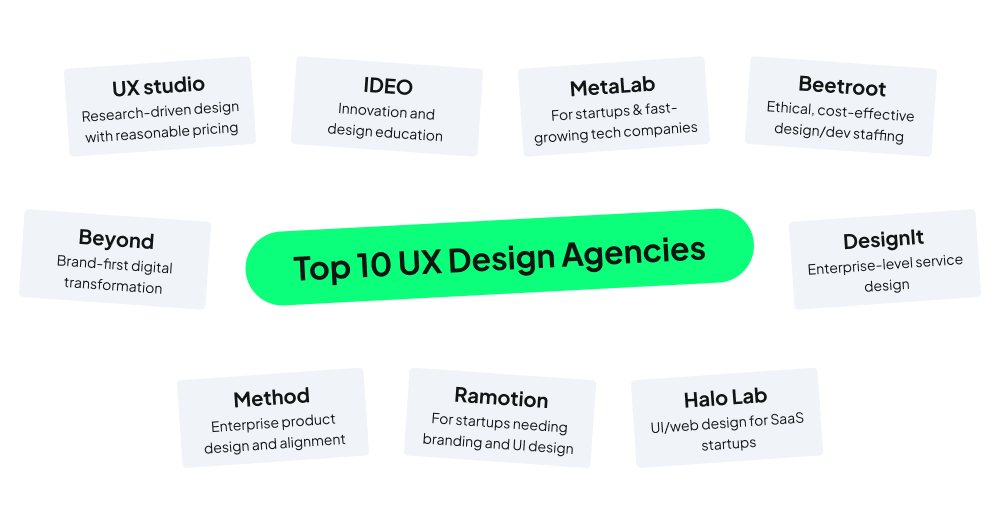
Scalability in product design is not merely about aesthetic consistency; it is about the agency’s ability to integrate with complex development lifecycles. Mature design agencies year demonstrate their operational readiness through documented design systems, version control proficiency, and a clear hand-off protocol.
When evaluating potential partners, look for teams that utilize design tokens to bridge the gap between Figma or Sketch files and the actual codebase. This practice ensures that updates to a primary color or font size propagate across the entire product ecosystem without manual intervention, which is essential for maintaining a coherent interface as the product grows.
A high-performing agency will also provide a clear audit trail of their design decisions. This includes access to component libraries that are mapped to specific technical requirements, such as responsive breakpoints, accessibility standards (WCAG 2.1 AA or higher), and state-based variants for interactive elements. If an agency cannot provide a live link to their documentation or a sample design system, they likely lack the infrastructure to support a scalable product build.
Evidence of technical integration capabilities
Understanding the constraints of blockchain technology is a critical differentiator for agencies working in the Web3 space. A top-tier firm will not design a high-frequency trading interface without first accounting for the latency inherent in on-chain transactions.
During the wireframing phase, an agency must demonstrate how they plan to handle pending states, gas fee estimations, and transaction failures directly within the user flow. To verify this capability, ask the agency to show how they translate smart contract limitations into UI feedback. Specifically, look for these indicators:
- Error state documentation: Do they provide detailed flows for when a transaction is rejected by a wallet provider or fails due to insufficient liquidity?
- Asynchronous state management: Can they explain how the UI reflects the time gap between a user signing a transaction and the block confirmation?
- Wallet integration patterns: Do they have a standardized approach for handling multi-chain wallet connections that avoids common security pitfalls like session hijacking or improper permission requests?
If an agency treats the UI as a static image rather than a dynamic interface that reacts to blockchain state changes, they will inevitably create technical debt that slows down your development team during the implementation phase.
Risk mitigation during the agency onboarding process
Integrating external user experience design agencies into an existing product ecosystem introduces operational friction. To protect product scalability, establish a rigorous onboarding phase that prioritizes technical alignment over aesthetic output.
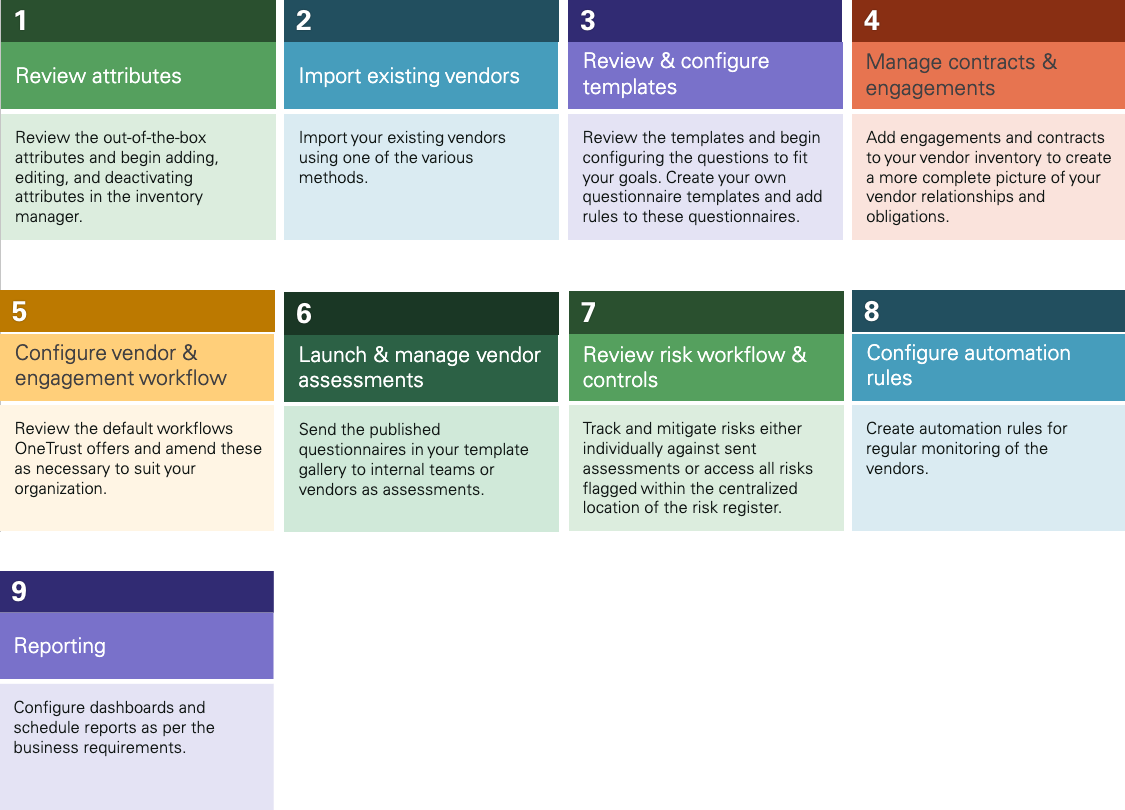
Require the agency to audit your current design debt within the first two weeks. This audit should explicitly map how their proposed workflows integrate with your existing CI/CD pipelines and version control systems like GitHub or GitLab. Standardize the handoff process by mandating the use of specific documentation tools such as Zeroheight or Storybook.
By forcing the agency to document their contributions in your live environment from day one, you prevent the creation of a ‘design silo’ where knowledge remains trapped in proprietary agency software. Require weekly syncs between the agency’s lead designer and your internal engineering lead to ensure that every UI component is technically feasible within your current tech stack.
Contractual safeguards for proprietary design systems
Ownership of your design infrastructure is the most critical factor in long-term scalability. When engaging user interface design services, your legal agreement must explicitly define the design system, including component libraries, design tokens, and documentation, as ‘work-made-for-hire’ assets.
Do not settle for vague clauses regarding intellectual property; specify that all source files—including Figma, Sketch, or Adobe XD files—and the underlying code for design tokens must be transferred to your organization upon request or project completion. Implement a ‘no-lock-in’ clause that prohibits the agency from using proprietary plugins or third-party software that requires ongoing licensing fees to maintain the design system.
If an agency insists on using a custom-built tool for asset management, require them to provide a full export of all data in a vendor-neutral format like JSON or CSS variables. This ensures that if you terminate the relationship, your internal team can pick up the design system without needing to re-engineer the entire component library from scratch. Always verify that the agency has not embedded hidden dependencies that would render your product unusable if their access is revoked.
Prioritizing design investment against development velocity
Scaling a digital product requires a delicate balance between high-fidelity design output and engineering throughput. When evaluating user experience design agencies, businesses must determine if the agency can deliver assets that integrate seamlessly into existing CI/CD pipelines. This is crucial for any business, including those looking for a digital marketing agency for SaaS companies.
An agency that produces static mockups without considering component-based architecture often creates a bottleneck, forcing developers to spend excessive time refactoring designs into code. Prioritize agencies that utilize design systems in tools like Figma or Storybook, as these ensure that every design element maps directly to a reusable code component, significantly increasing development velocity.
Cost-benefit analysis of agency retainers versus project-based models
Choosing between a retainer and a project-based model depends on your product’s lifecycle stage. Project-based engagements are ideal for discrete tasks, such as a complete UI overhaul or a specific feature launch. This model provides clear scope boundaries and fixed costs, which is beneficial for startups operating with limited runway. However, this approach often lacks the long-term product context required to maintain consistency as the application grows.
Retainer-based partnerships offer a deeper integration with your internal team. This model is superior for products in a continuous growth phase where iterative testing and rapid feedback loops are essential. By keeping a dedicated team of designers on retainer, you avoid the overhead of constant onboarding and ensure that the agency understands your technical debt and user behavior patterns.
While the monthly cost is higher, the reduction in communication friction and the ability to pivot design strategy based on real-time analytics often results in a lower total cost of ownership over a 12-month period. If your roadmap involves frequent A/B testing or complex user flows that require ongoing optimization, the retainer model provides the stability necessary to maintain high-quality design agencies leading standards without sacrificing speed.
Frequently Asked Questions
Primary indicators of a high-performing UX design agency
A high-performing agency prioritizes the creation of a scalable design system that integrates directly with your development workflow, ensuring that design components remain consistent as the product grows.
Strategic advantages of specialized UX agencies over full-service digital firms
Specialized agencies often provide deeper expertise in complex user flows and accessibility standards, whereas full-service digital marketing firms may offer better cross-departmental alignment. The choice depends on whether your primary bottleneck is technical complexity or marketing-led conversion.


