



Core operational trade-offs in design procurement
Selecting the right partner for digital product development requires balancing immediate technical requirements against long-term organizational health. When evaluating user interface design agencies, companies must weigh the friction of onboarding external teams against the administrative burden of building an internal design department from scratch.
Scalability and speed of project deployment
Agencies offer an immediate infusion of specialized talent, allowing projects to bypass the typical 3-to-6-month recruitment cycle required for full-time hires. A reputable agency typically maintains a bench of senior UI designers, researchers, and design systems engineers who can begin contributing to a sprint within days of contract execution.
This model is particularly effective for high-velocity projects, such as a platform migration or a rapid MVP launch, where the cost of delay exceeds the premium paid for external services. Conversely, internal hiring provides deeper domain knowledge over time but suffers from significant ramp-up latency. New hires require time to understand legacy codebases, internal communication styles, and brand nuances.
Agencies mitigate this by utilizing standardized design frameworks and established workflows. These tools allow them to plug into existing development environments with minimal friction.
Long-term cost structures and overhead
Financial planning for design procurement requires a clear distinction between fixed operational expenses and variable project-based costs. Internal hires involve recurring salary, benefits, payroll taxes, and equipment costs, which remain constant regardless of project volume. This creates a high fixed-cost floor that can become a liability during periods of low product development activity.
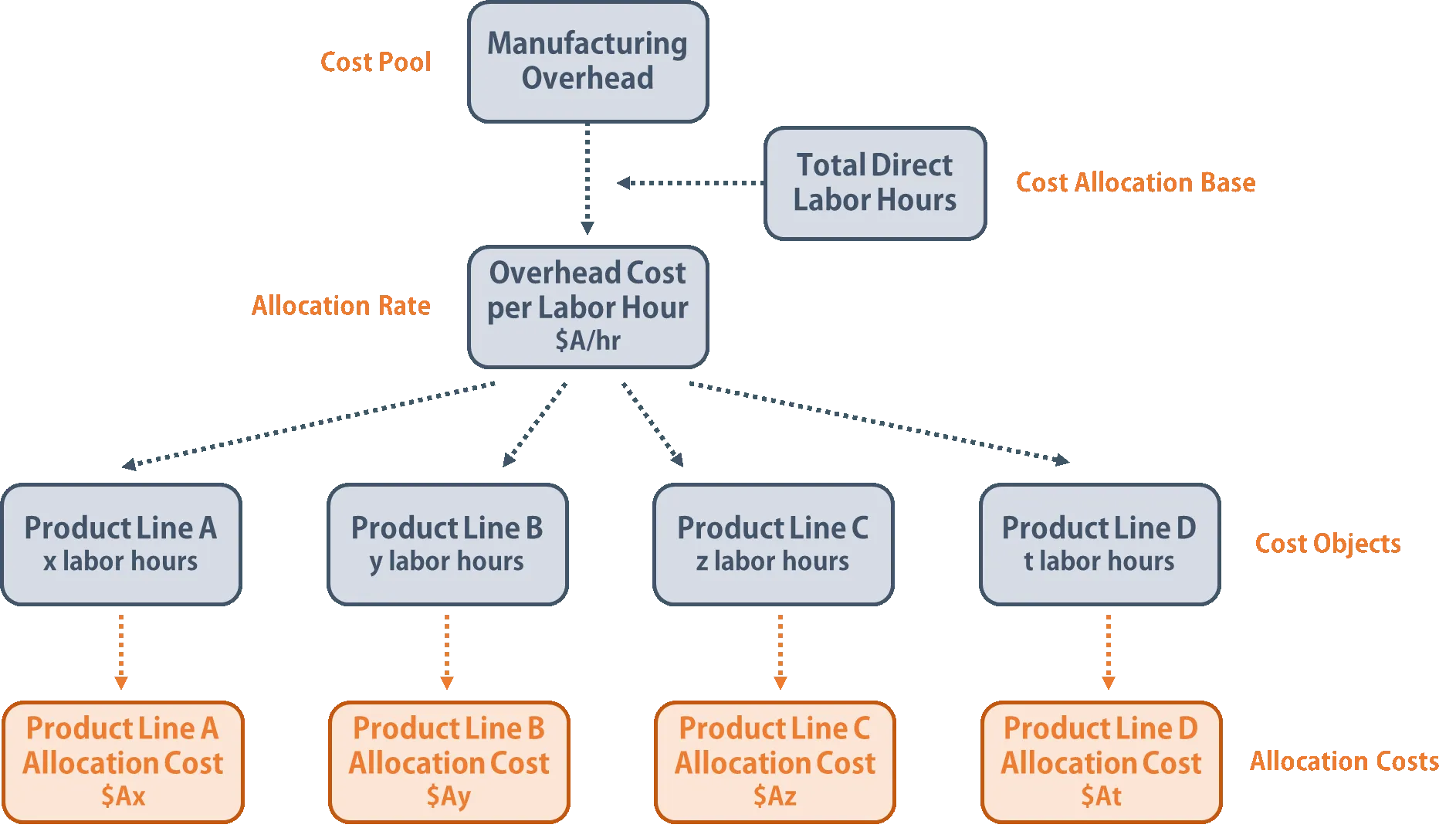
Specialized firms operate on a premium hourly or project-based model. While the effective hourly rate of an agency designer is often 2x to 3x higher than an internal employee’s base salary, this cost is strictly variable. Companies essentially pay for output rather than availability.
When scaling down, the financial commitment to an agency ends with the contract, whereas internal teams necessitate severance or redeployment strategies. Organizations must perform a cost-benefit analysis comparing the total cost of ownership (TCO) of an in-house team against the flexibility of agency retainers to determine which model aligns with their current funding runway and product roadmap.
Evaluating the technical maturity of user interface design agencies
Assessing the technical proficiency of a design partner requires moving beyond portfolio aesthetics to examine their operational workflow. A firm’s ability to integrate with your existing development stack—whether that involves React, Vue, or proprietary smart contract front-ends—is the primary indicator of project velocity.
Look for agencies that provide evidence of their version control practices, such as how they manage branches within Figma or how they sync design tokens directly into your GitHub repositories.
Specialization in high-stakes crypto and fintech interfaces
In the crypto sector, UI design is a security function rather than a purely visual one. Generalist agencies often prioritize conversion-focused layouts that may introduce vulnerabilities, such as failing to implement clear transaction confirmation flows or ignoring the necessity of human-readable data for complex smart contract interactions.
A b2b ux design agency understands that a misplaced button or an ambiguous state in a wallet interface can lead to catastrophic user error. They should demonstrate experience with security-first design patterns, such as multi-step authorization prompts, clear gas fee estimations, and immutable error handling that prevents accidental asset transfers.
Standardized design systems and documentation
The long-term maintainability of your product hinges on the agency’s commitment to modularity. You should demand a comprehensive design system that includes a living component library, not just static mockups.
A mature agency will deliver a system that maps directly to code, utilizing standardized naming conventions for tokens like color, typography, and spacing. This documentation must be accessible to your engineering team, ensuring that when you scale, your developers can pull pre-built components rather than recreating styles from scratch.
Ask potential partners to provide a sample of their documentation for a previous project; it should clearly define component variants, responsive breakpoints, and accessibility standards compliant with WCAG 2.1 or higher. If an agency cannot provide a structured design system, you risk accumulating significant technical debt that will necessitate a complete redesign within eighteen months.
Strategic selection criteria for external partners versus internal teams
Deciding between an in-house design team and external design agencies leading the market often hinges on the trade-off between long-term product ownership and immediate specialized output. Internal teams excel at maintaining brand consistency and deep institutional knowledge, but they frequently face bottlenecks during periods of intense product evolution or when the required technical expertise falls outside the current hiring scope.
Managing product pivots and rapid prototyping
External agencies provide a distinct advantage during early-stage product discovery or when a company undergoes a significant pivot. Because agencies operate across multiple industries, they bring a library of proven design patterns and a neutral perspective that internal teams—often bogged down by legacy constraints—may lack.
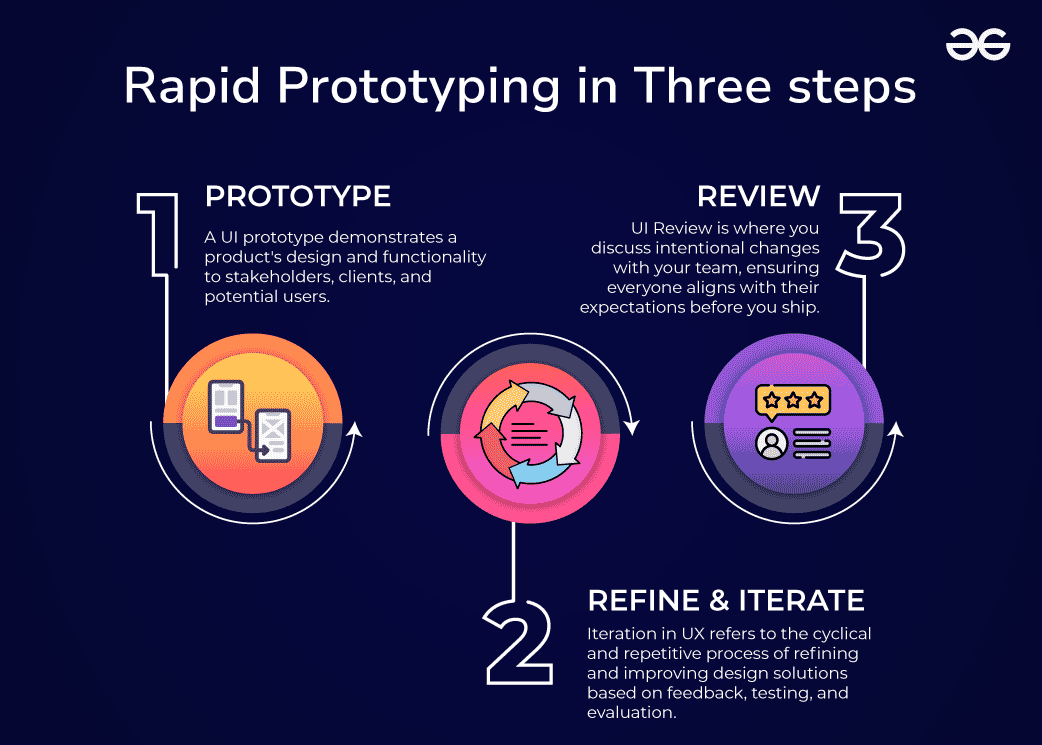
When your roadmap requires a high-fidelity prototype in under four weeks to secure Series B funding, an agency’s dedicated squad can focus exclusively on that deliverable without the distraction of ongoing maintenance tasks. This agility allows for rapid iteration cycles where design decisions are validated against market feedback rather than internal office politics.
Bridging internal skill gaps for complex integrations
Technical complexity is a common trigger for outsourcing. Many internal teams are proficient in standard SaaS UI design but lack the niche experience required for high-stakes crypto or fintech environments. For instance, designing intuitive flows for Web3 wallet connectivity requires an understanding of asynchronous transaction states, gas fee estimation UI, and security-first user feedback loops that differ significantly from traditional Web2 authentication.
Similarly, projects involving complex data visualization—such as real-time order books or on-chain analytics dashboards—demand specialized knowledge of latency-sensitive UI components. Hiring an agency that has already solved these specific technical challenges allows your company to bypass the steep learning curve. You are not just paying for pixels; you are paying for the agency’s historical data on which interaction models failed and which succeeded in similar high-complexity environments. This approach minimizes technical debt and ensures that the final product meets the rigorous usability standards expected by sophisticated crypto-native users.
Risk mitigation in agency partnerships
Hiring user interface design agencies requires a structured approach to risk management to protect your project from scope creep, communication silos, and operational bottlenecks. Establishing clear boundaries before the contract is signed prevents costly disputes and ensures that the final deliverables align with your internal technical requirements.
Intellectual property ownership and contract clarity
A common pitfall in agency engagements is ambiguous language regarding asset ownership. Your service agreement must explicitly state that all work-for-hire, including Figma source files, component libraries, custom icons, and raw code, belongs to your company upon payment. Avoid clauses that grant the agency a perpetual license to your proprietary designs for their own portfolio without your written consent.
Ensure the contract includes a “Work Made for Hire” provision under the relevant jurisdiction. Specifically, demand a clause that requires the agency to provide a comprehensive “Asset Manifest” upon project completion. This document should list every design file, font license, and third-party plugin used, ensuring your internal team can maintain the product without needing to contact the agency for missing source files.
Knowledge transfer protocols
Vendor lock-in occurs when an agency builds a complex design system that only their internal team understands. To mitigate this, mandate a structured knowledge transfer phase as a deliverable in your statement of work. This should not be an afterthought but a scheduled series of sessions occurring throughout the final two weeks of the engagement.
Require the following documentation as part of your operational framework:
- Design System Documentation: A living style guide hosted on platforms like Zeroheight or Storybook, detailing component states, spacing tokens, and accessibility standards.
- Technical Handoff Sessions: Recorded walkthroughs where the lead designer explains the logic behind complex interaction patterns or responsive breakpoints.
- Tool Access Audits: A formal process to transfer ownership of all software licenses, cloud accounts, and project management boards back to your internal team, removing agency administrative access immediately upon contract termination.
By formalizing these protocols, you ensure that your team retains full control over the product roadmap, regardless of the agency’s ongoing involvement.
Financial benchmarking for design services
Establishing a budget for user interface design agencies requires moving beyond simple hourly rate comparisons. High-performing firms often command premium fees because they integrate senior-level product strategy into the design process, reducing the long-term cost of technical debt and user churn.
When benchmarking, evaluate the total cost of ownership rather than the initial quote. A firm that charges $150 per hour but delivers a scalable design system in 200 hours is more cost-effective than a firm charging $80 per hour that requires 600 hours to produce fragmented, inconsistent UI components.
Fixed-bid versus time-and-materials models
Selecting the correct billing structure depends entirely on the maturity of your project requirements. Fixed-bid contracts offer budget predictability, making them suitable for well-defined projects with clear deliverables, such as a marketing landing page or a specific mobile application feature set.
However, fixed-bid models often force agencies to pad their estimates to account for potential scope creep. If your requirements are subject to change based on user testing or iterative feedback, this model can lead to friction and change-order disputes.
Time-and-materials (T&M) models provide the flexibility required for complex, research-heavy UI projects. This structure is superior when the roadmap is fluid or when you need the agency to act as an extension of your internal product team. Under T&M, you pay for the actual hours worked, which encourages transparency and allows for rapid pivots based on real-time data.
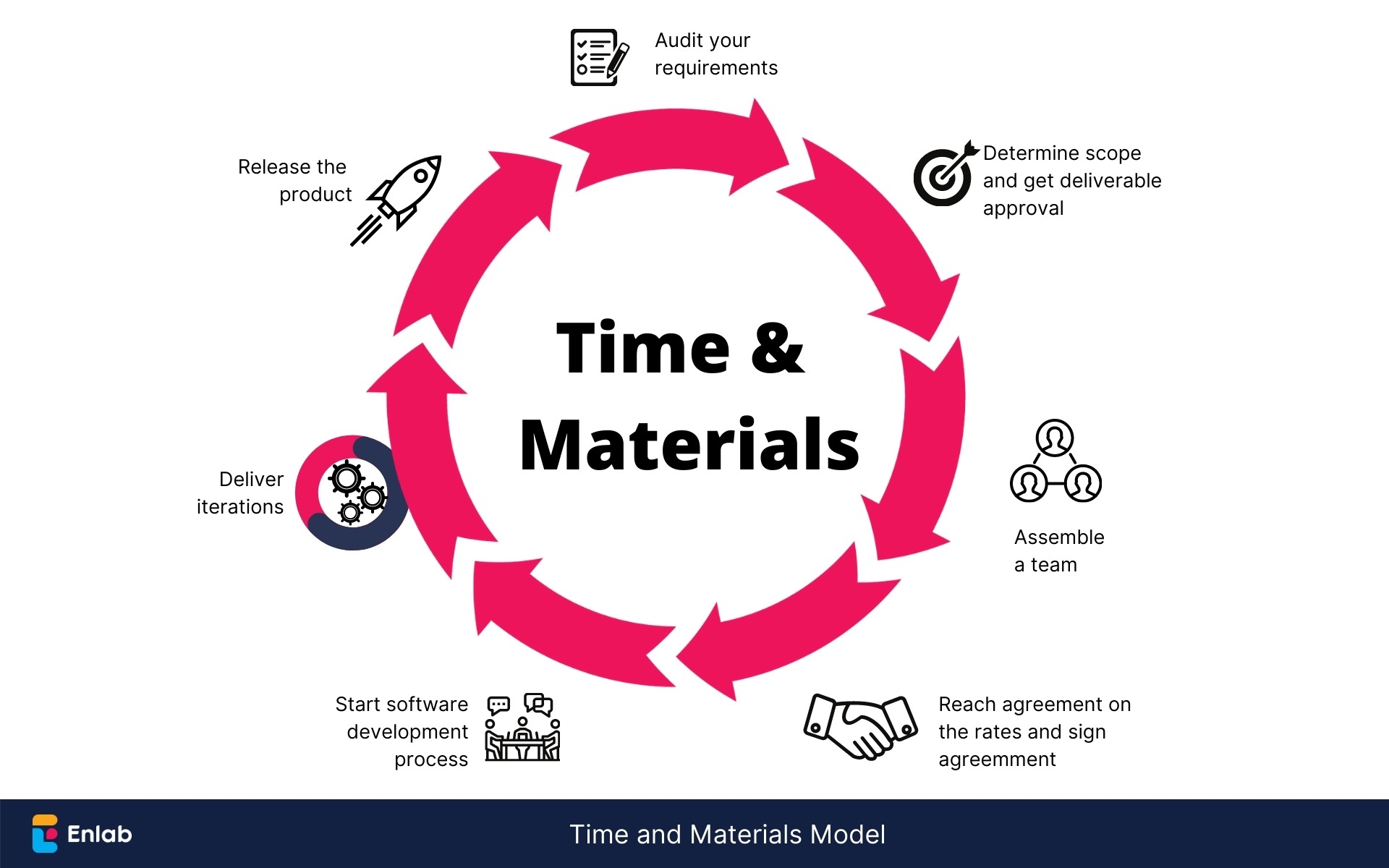
To mitigate the risk of runaway costs in a T&M arrangement, implement strict weekly reporting requirements. Demand detailed breakdowns showing the time spent on research, wireframing, high-fidelity prototyping, and design QA. This granular visibility ensures that you are paying for productive design output rather than administrative overhead or scope bloat.
Ultimately, the most successful partnerships utilize a hybrid approach. Use fixed-bid pricing for the initial discovery and audit phases, where the scope is finite, and transition to a T&M model for the ongoing design execution and optimization phases. This framework protects your initial investment while maintaining the agility needed to refine the user interface as the product evolves.
Frequently Asked Questions
When should a startup prioritize hiring user interface design agencies over an in-house hire?
Hiring an agency is optimal when you need immediate access to a multidisciplinary team for a high-stakes launch, require specialized expertise in specific design systems, or need to bypass the 3-6 month ramp-up time associated with full-time recruitment.
Primary risks of outsourcing UI design for complex crypto platforms
The main risks include a lack of domain-specific knowledge regarding blockchain UX patterns, potential security oversights in user flows, and the difficulty of maintaining design consistency if the agency lacks deep integration with your engineering team.


