



Businesses looking to streamline operations can leverage the top 10 AI automation tools for Europe in 2026 to connect workflows, applications, and intelligent agents. Instead of using artificial intelligence only for chatbots or data analysis, companies are now integrating AI directly into internal systems and customer-facing processes.
The market for AI automation tools has also changed significantly. Traditional workflow platforms are adding AI agents and intelligent decision-making, while process automation providers are building ways for AI agents to interact with business systems under controlled workflows.
For European businesses, choosing an automation platform involves more than looking at the number of AI features available. Companies may also need to consider integrations, scalability, security, deployment options, governance, data handling, and the complexity of the processes they want to automate.
This article explores 10 AI automation tools for businesses in Europe in 2026, focusing on specialized platforms that offer meaningful automation, workflow orchestration, AI agents, integrations, or enterprise process capabilities rather than the largest global technology companies.
What Are AI Automation Tools?
AI automation tools combine artificial intelligence with automated workflows to perform tasks that traditionally require human input.
Traditional automation generally follows predefined rules:
Trigger → Rule → Action
For example:
New lead arrives → Add lead to CRM → Send email
AI automation can introduce another layer of flexibility:
Trigger → AI interprets information → Decision → Action → Verification
For example:
New customer inquiry → AI identifies intent → Retrieves relevant information → Creates a personalized response → Sends or escalates the request
This difference is important because many business processes contain unstructured information that traditional rule-based automation cannot easily interpret.
Top 10 AI Automation Tools for Europe in 2026
1. Make
Best for: Visual AI workflow automation
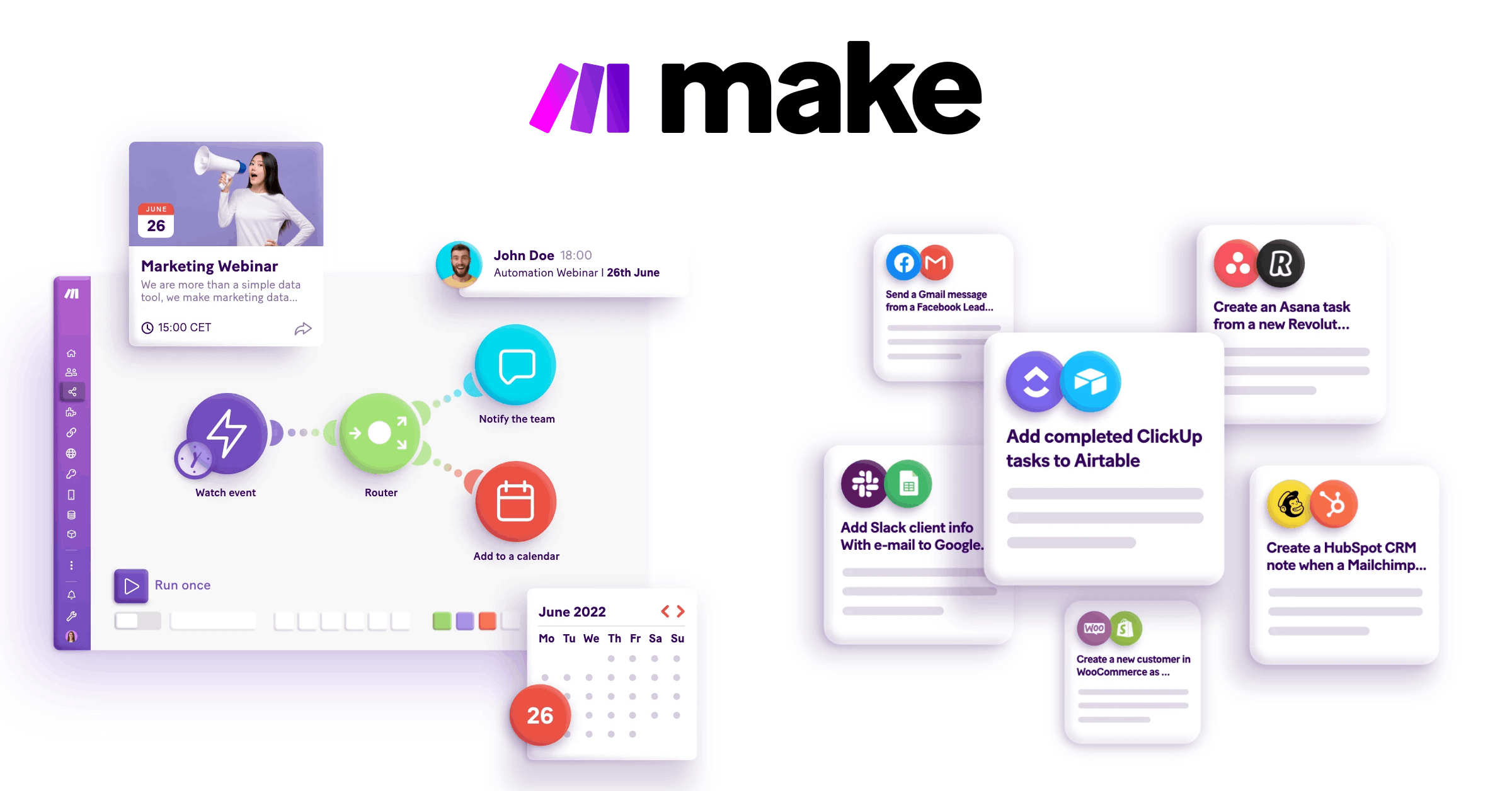
Make is a European automation platform designed around a visual approach to workflow creation. It allows businesses to connect applications, build multi-step workflows, manipulate data, and automate processes through a visual interface.
The platform has expanded beyond traditional workflow automation by introducing AI agents that can operate inside workflows. Make’s current AI Agent offering allows businesses to build agents directly within its visual automation environment and connect them with thousands of applications.
Key Features
- Visual workflow builder
- AI agents
- AI-powered workflows
- Application integrations
- Data transformation
- Conditional workflows
- Workflow monitoring
- Reusable automation scenarios
- Business process automation
Why Businesses May Consider Make
One of Make’s main strengths is accessibility. Business teams can create relatively sophisticated workflows without having to build an entire automation system from scratch.
For example, a marketing team could create a workflow that:
- Receives a new lead
- Collects information from different systems
- Uses AI to classify the lead
- Updates the CRM
- Generates a personalized follow-up
- Notifies the sales team
Make’s AI automation environment is designed to combine adaptive AI decisions with visual workflow logic, which can make it easier for teams to understand how an automated process operates.
Best Use Cases
Make can be considered for:
- Marketing automation
- Lead management
- Sales workflows
- Customer support
- Internal operations
- Data synchronization
- AI-assisted business processes
2. Activepieces
Best for: Flexible AI workflow automation
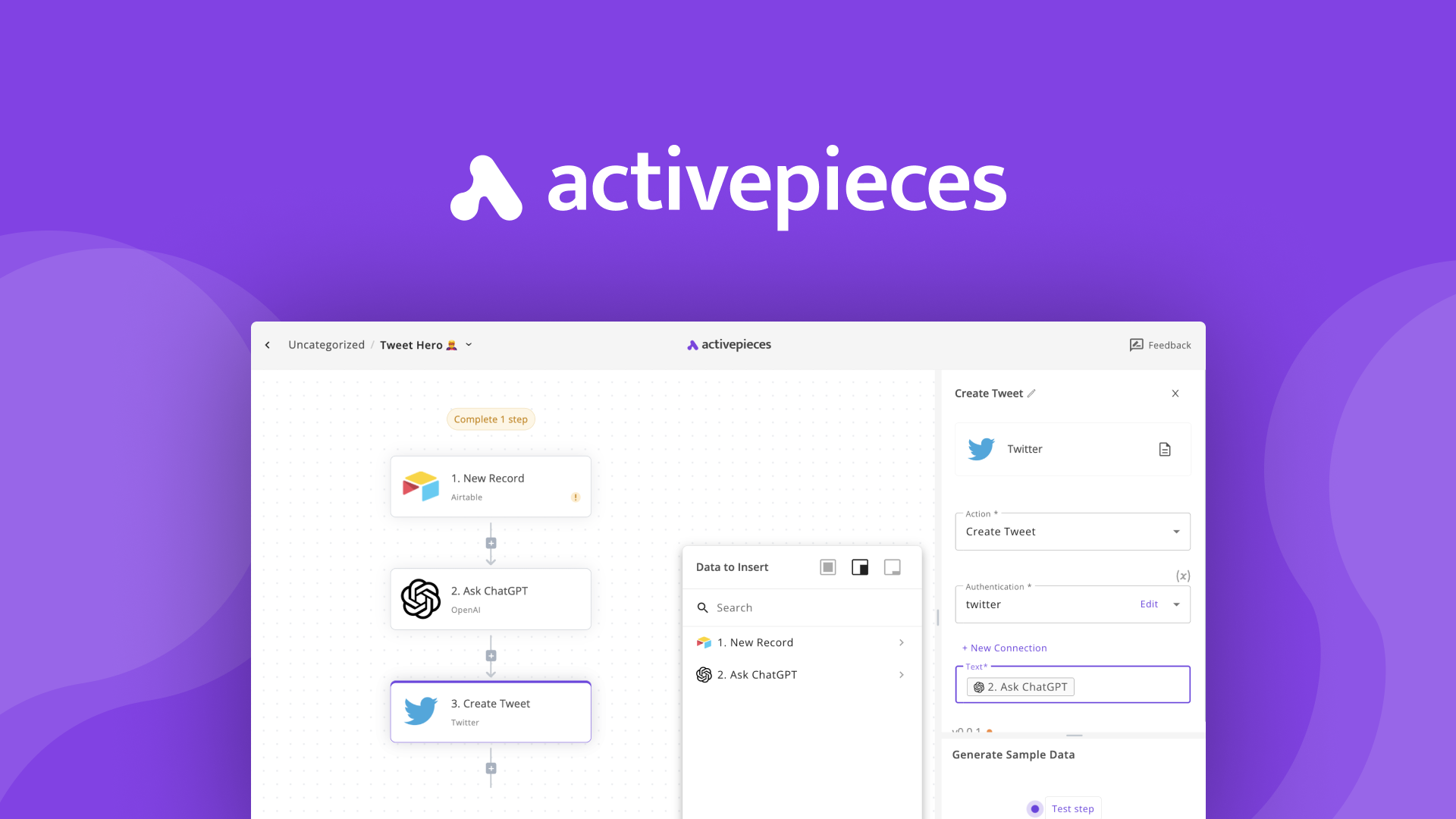
Activepieces is an open-source automation platform designed to help businesses build workflows that connect applications, data, AI models, and business processes. Its visual approach allows teams to create automations without building every integration from scratch, while its open-source architecture provides additional flexibility for organizations that want greater control over their automation infrastructure.
Key Features
- Visual workflow builder
- AI-powered workflows
- AI agents
- Application integrations
- Open-source architecture
- Custom automation pieces
- API integrations
- Self-hosting
- Cloud deployment
- Human-in-the-loop workflows
Why Businesses May Consider Activepieces
One of Activepieces’ main advantages is the combination of AI automation, workflow flexibility, and open-source infrastructure.
Businesses can use it to automate repetitive processes such as lead management, customer support, internal notifications, data synchronization, and AI-assisted content workflows.
For example, a company could build a workflow that receives a customer inquiry, uses AI to classify the request, retrieves relevant information, updates a CRM, and sends the appropriate response or routes the case to an employee.
The open-source approach can also appeal to organizations that want more control over how their automation environment is deployed and managed.
Best Use Cases
- AI workflow automation
- Marketing automation
- Lead management
- Customer support
- Internal operations
- Data synchronization
- AI-assisted business processes
- Custom integrations
3. Camunda
Best for: Enterprise process orchestration
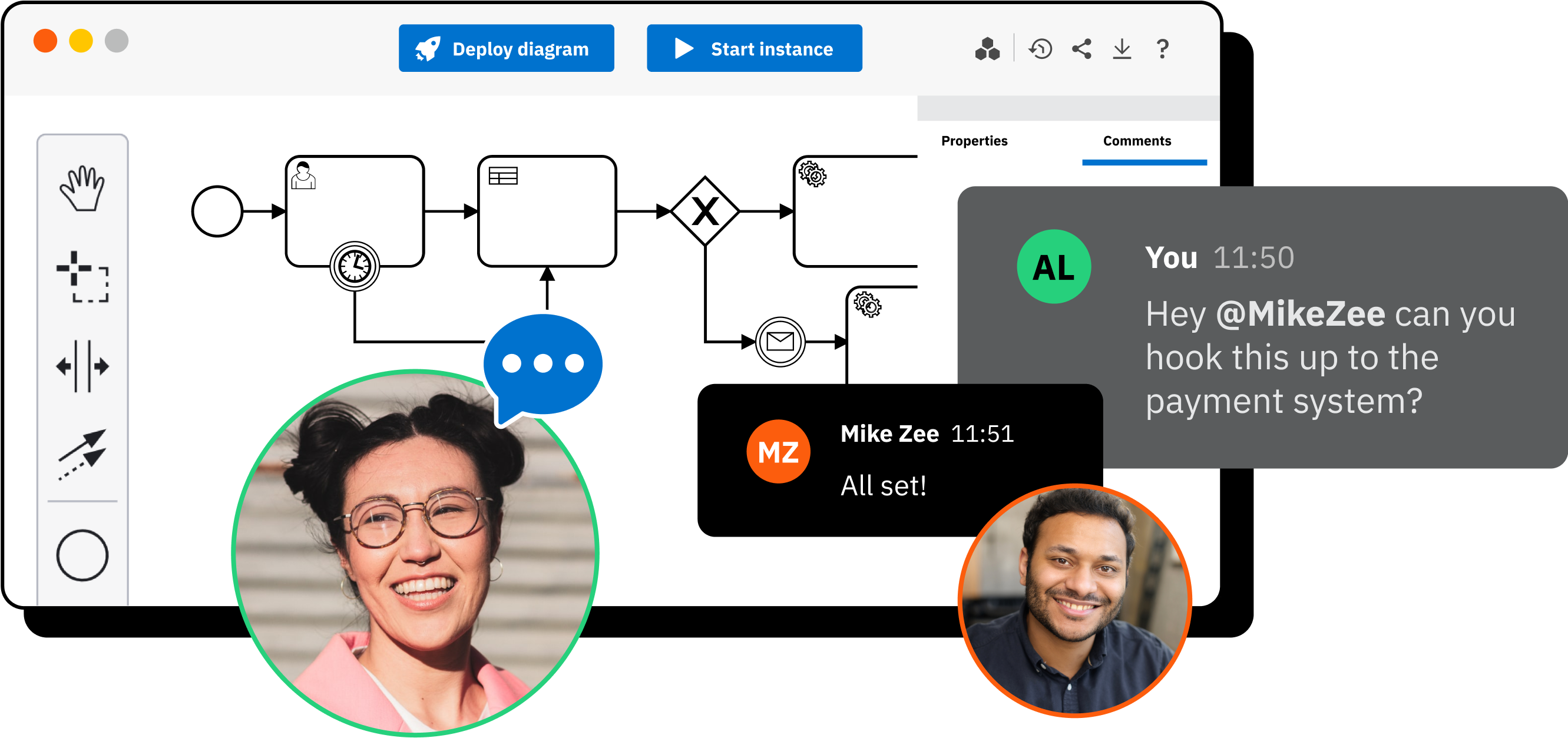
Camunda takes a more process-oriented approach to automation.
Instead of focusing only on individual tasks, Camunda is designed to orchestrate complete business processes involving people, applications, APIs, decisions, and increasingly AI agents.
The company’s 2026 research focuses heavily on agentic orchestration and the challenge of moving AI agents from isolated experiments into governed production processes.
Key Features
- Business process management
- Process orchestration
- BPMN modeling
- Decision automation
- Human tasks
- API orchestration
- AI-agent orchestration
- Process monitoring
- Enterprise governance
Why Businesses May Consider Camunda
AI agents can perform individual tasks, but enterprises often need those tasks to happen inside a larger business process.
For example:
Customer request → AI classification → Compliance check → Business rules → Human approval → System update
Camunda is designed around this type of structured orchestration.
This can be especially relevant for businesses operating complex processes where AI needs to work alongside existing rules and human approvals.
Best Use Cases
Camunda can be considered for:
- Financial services
- Insurance
- Telecommunications
- Healthcare
- Enterprise operations
- Regulatory processes
- Complex customer journeys
Its 2026 product development has also emphasized agent observability and guardrails around AI-driven processes.
4. Tines
Best for: IT, security, and operational automation
Tines is an automation platform originally strongly associated with cloud security and IT operations. Its current product direction increasingly combines workflows, applications, AI agents, and enterprise systems.
In 2026, Tines introduced Tines 3B, an AI-native environment intended to bring agents, applications, and automation into a unified environment. Its existing workflow platform continues as Tines Stories, focused particularly on security and IT operations.
Key Features
- Visual workflows
- AI agents
- Security automation
- IT automation
- API integrations
- Incident response
- AI-powered analysis
- Workflow monitoring
- Governance controls
Why Businesses May Consider Tines
Tines is relevant when automation needs to interact with operational systems rather than simply move information between SaaS applications.
Its AI Agent action allows organizations to run language models within workflows and use AI to analyze information or interact with tools.
For example, a security workflow could:
- Detect an alert
- Gather information
- Ask an AI model to analyze the event
- Retrieve additional data
- Determine the appropriate response
- Escalate the issue if necessary
Best Use Cases
- Security operations
- IT operations
- Incident response
- Compliance workflows
- Internal automation
- Operational intelligence
5. Parloa
Best for: AI-powered customer service
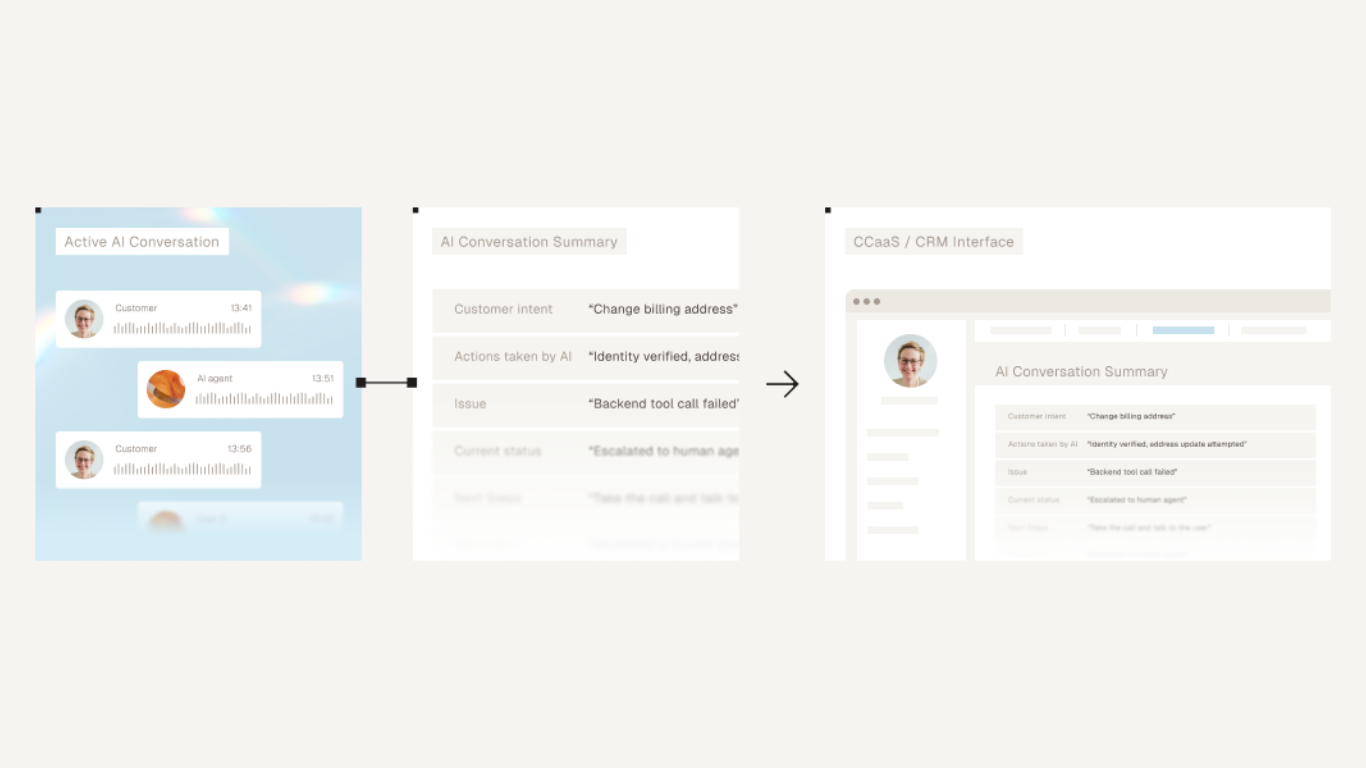
Parloa focuses on a specific area of AI automation: customer interactions.
The Germany-based company develops AI agents for customer-service operations, including voice and other conversational experiences. Its platform is designed to automate customer interactions while providing controls for enterprise environments.
Key Features
- AI customer-service agents
- Conversational AI
- Voice AI
- Customer interaction automation
- Agent orchestration
- Human escalation
- Enterprise controls
- Automated customer support
Why Businesses May Consider Parloa
Customer service is one of the areas where AI automation can have a direct impact on operational workloads.
An AI agent can potentially handle common requests such as:
- Order information
- Account questions
- Appointment requests
- Product information
- Basic troubleshooting
- Customer inquiries
More complex requests can then be transferred to human representatives.
This approach allows businesses to automate repetitive interactions without necessarily removing human agents from the overall customer-service process.
Best Use Cases
- Retail
- E-commerce
- Travel
- Telecommunications
- Financial services
- Large contact centers
6. Frends
Best for: Enterprise integration and hybrid automation
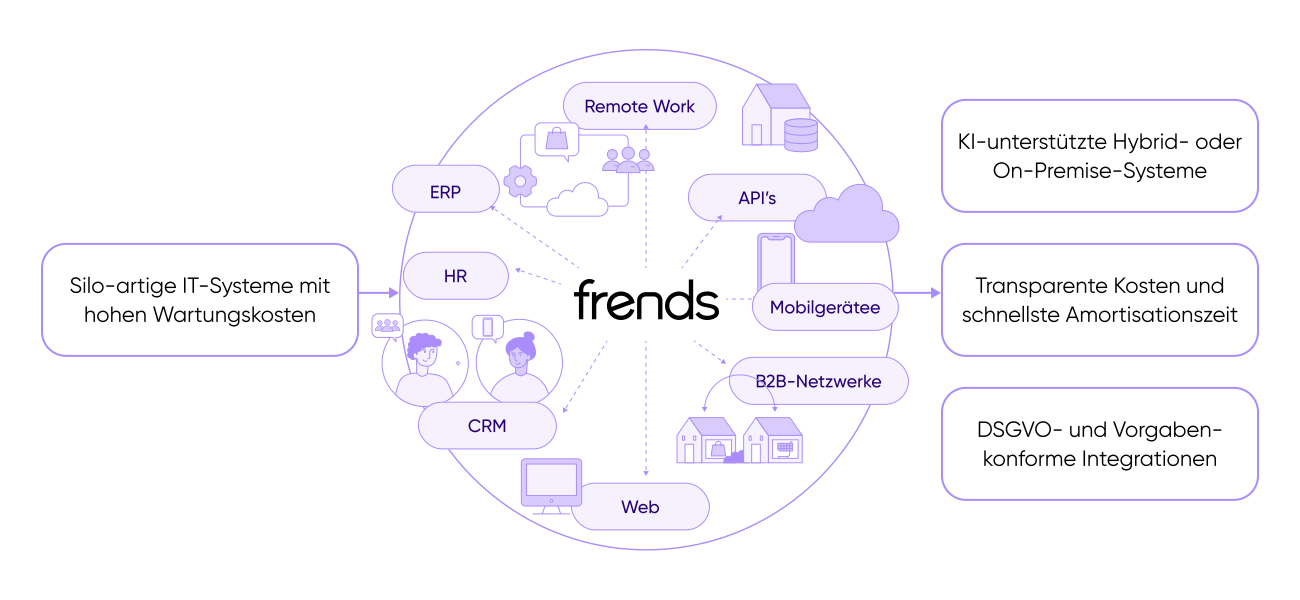
Frends is a European integration and automation platform with a strong focus on connecting business systems and automating enterprise processes.
The platform combines integration capabilities with workflow automation and AI-related functionality.
Key Features
- Enterprise integration
- iPaaS
- Low-code automation
- API management
- Workflow automation
- AI workflow management
- Hybrid deployment
- On-premises deployment
- Integration monitoring
Why Businesses May Consider Frends
Large organizations often operate a mixture of modern cloud applications and older internal systems.
This creates an integration challenge.
A company may need to connect:
ERP → CRM → Internal database → API → AI service → Reporting system
Frends is designed around this type of integration environment.
Its support for cloud, hybrid, and on-premises environments can also be relevant to businesses that need greater control over where their automation infrastructure operates.
The company has also been developing AI-related integration capabilities, including MCP functionality designed to allow teams to interact with integrations through AI clients.
Best Use Cases
- Enterprise integration
- Legacy system integration
- Hybrid environments
- API automation
- Business process automation
- AI-enabled enterprise workflows
7. Flowable
Best for: Complex business processes and case management
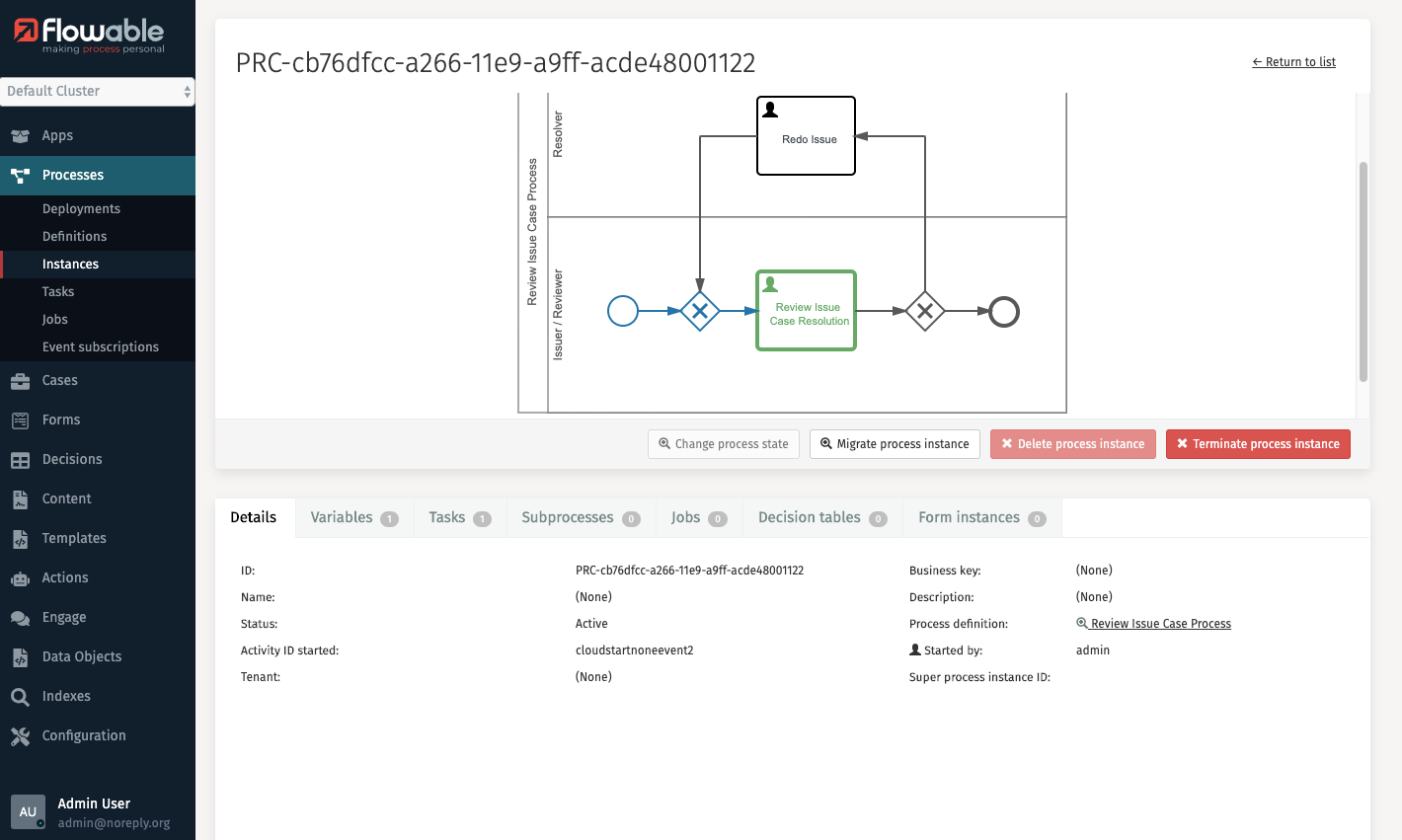
Flowable is a European business automation platform focused on process management, case management, decision automation, and operational workflows.
It is designed for organizations where processes involve multiple systems, business rules, employees, and exceptions.
Key Features
- Business process automation
- Case management
- Workflow orchestration
- Decision management
- Process modeling
- AI-enabled workflows
- Enterprise integration
- Human task management
Why Businesses May Consider Flowable
Some business processes cannot be reduced to a simple sequence of automated actions.
Consider an insurance claim:
Claim submitted → Documents analyzed → Information verified → Risk assessed → Additional information requested → Human review → Decision → Customer notification
Different cases may require different actions.
Flowable’s process and case-oriented approach is designed for these types of variable workflows.
Best Use Cases
- Insurance
- Financial services
- Healthcare
- Government
- Compliance
- Enterprise operations
- Customer case management
For companies exploring AI automation in highly structured environments, combining AI capabilities with process management can provide more control than relying exclusively on autonomous AI agents.
8. Kestra
Best for: Data, technical, and AI workflow orchestration
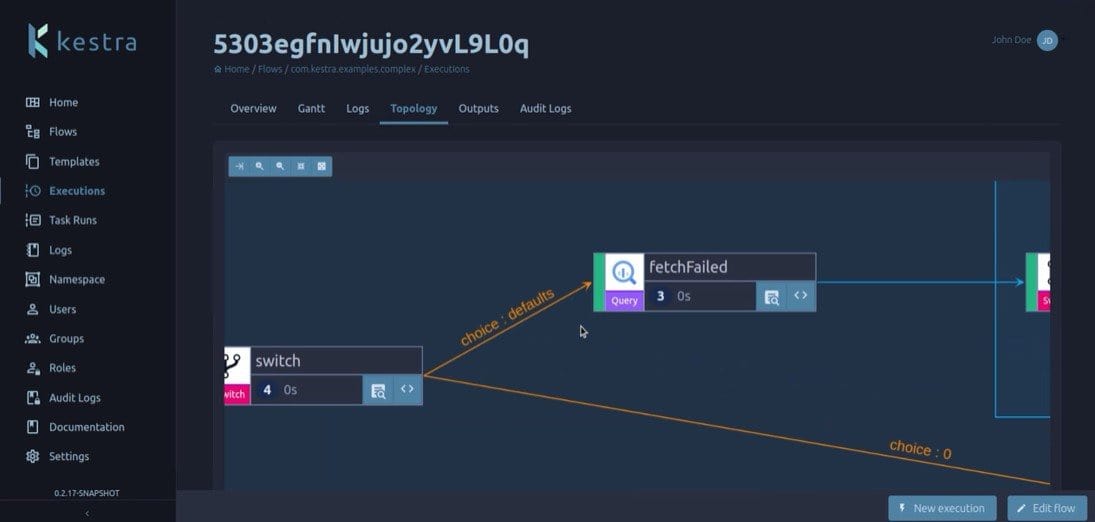
Kestra is an orchestration platform that connects data workflows, infrastructure automation, applications, and AI processes.
Its capabilities have expanded significantly toward AI orchestration in 2026.
Kestra supports AI workflows using different LLM providers and provides AI-agent functionality that can use tools, memory, web search, code execution, and other workflows.
Key Features
- Workflow orchestration
- AI workflows
- AI agents
- Data pipelines
- API workflows
- Infrastructure automation
- Event-driven workflows
- MCP integration
- Self-hosting
- Cloud deployment
Why Businesses May Consider Kestra
Kestra is particularly interesting for technical organizations where AI automation needs to interact with data and infrastructure.
A workflow could potentially:
- Receive new data
- Validate the data
- Process it
- Ask an AI agent to analyze the results
- Trigger another workflow
- Store the output
- Generate a report
Kestra’s 2026 platform direction also allows workflows to be exposed as tools that AI agents can call.
Best Use Cases
- Data engineering
- AI engineering
- DevOps
- Infrastructure automation
- Data pipelines
- AI workflows
- Technical operations
9. Cyclr
Best for: Embedded automation for SaaS companies
Cyclr takes a different approach from general-purpose business automation platforms.
It focuses heavily on embedded integrations, allowing software companies to provide integrations and automation capabilities directly inside their own products.
Cyclr’s platform includes connectors for AI services and supports AI-related functionality within embedded workflows.
Key Features
- Embedded iPaaS
- SaaS integrations
- API connectivity
- AI connectors
- Workflow automation
- Multi-tenant architecture
- Embedded automation
- Integration management
Why Businesses May Consider Cyclr
Imagine a SaaS company that wants its customers to connect their application with:
- CRM software
- Accounting systems
- Marketing platforms
- Customer-service systems
- Data tools
- AI services
Building and maintaining all these integrations internally can require substantial engineering resources.
An embedded integration platform can provide the infrastructure for this functionality.
Cyclr is therefore particularly relevant to B2B SaaS companies, rather than only businesses looking for internal employee automation.
The platform’s 2026 AI direction also emphasizes combining AI capabilities with deterministic integrations rather than replacing reliable workflow execution entirely.
Best Use Cases
- SaaS platforms
- B2B software
- Embedded integrations
- Product automation
- AI-enabled software products
10. Appmixer
Best for: Embedded and white-label workflow automation

Appmixer is another European platform focused on embedded workflow automation.
The platform allows software companies to incorporate workflow-building capabilities directly into their own applications.
Key Features
- Embedded automation
- Visual workflow builder
- White-label workflows
- API integrations
- SaaS automation
- Multi-tenant architecture
- Self-hosting
- Enterprise deployment
Why Businesses May Consider Appmixer
Appmixer is particularly relevant for software companies that want automation to become part of their own product experience.
Instead of asking customers to leave the application and use a separate automation platform, a software company can provide workflow-building capabilities directly within its own product.
For example, a business platform could allow customers to create:
New customer → Create CRM record → Notify sales → Generate AI summary → Update dashboard
This can turn automation from an external tool into a native product capability.
Best Use Cases
- SaaS companies
- B2B software
- Enterprise software
- White-label automation
- Embedded workflows
AI Automation Trends in Europe for 2026
AI Agents Are Becoming Part of Workflows
One of the most significant developments in 2026 is the movement of AI agents from standalone interfaces into actual business processes.
Instead of simply answering a question, an AI agent can potentially:
- Understand an objective
- Retrieve information
- Call a business system
- Perform an action
- Check the result
- Continue the workflow
- Escalate when necessary
Kestra, Make, Tines, and Camunda are examples of platforms moving in this direction.
AI and Traditional Automation Are Converging
The distinction between AI software and automation software is becoming less clear.
Traditional automation provides:
- Rules
- Triggers
- Integrations
- Predictable execution
AI provides:
- Interpretation
- Classification
- Generation
- Contextual decision-making
Combining both can allow businesses to automate processes that previously required significant manual work.
AI Governance Is Becoming More Important
As AI agents gain access to business applications, governance becomes increasingly important.
Businesses need to understand not only what an AI system can do, but also:
What is it allowed to do?
This is why observability, permissions, audit trails, human approvals, and controlled integrations are becoming increasingly important in enterprise AI automation.
Camunda’s 2026 research highlights the challenge of moving AI-agent experiments into reliable production environments, while its product development emphasizes orchestration, observability, and process guardrails.
Frequently Asked Questions
1. What are the best AI automation tools for businesses in Europe?
The most suitable tool depends on the business’s automation requirements. Make and n8n are useful for flexible workflow automation, while Camunda and Flowable focus on complex enterprise processes. Tines is particularly relevant to IT and security workflows, Parloa focuses on customer-service automation, and Cyclr and Appmixer specialize in embedded integrations and automation.
2. Are AI automation tools useful for small businesses?
Yes. Small businesses can use AI automation to reduce repetitive work in marketing, sales, customer service, administration, and reporting.
However, businesses should start with clearly defined processes where automation can produce measurable results rather than attempting to automate everything simultaneously.
3. What is the difference between AI automation and workflow automation?
Traditional workflow automation generally follows predefined rules and sequences.
AI automation introduces artificial intelligence into the workflow so the system can interpret information, classify content, generate responses, or make context-dependent decisions.
4. Can AI automation tools work with existing business software?
Yes. Many automation platforms are designed to connect with existing applications through integrations, APIs, databases, and other connectors.
The exact capabilities vary between platforms, so businesses should check integration support before selecting a tool.
5. Are AI automation tools secure for European businesses?
Security depends on the individual platform, configuration, deployment model, and type of data being processed.
Businesses handling sensitive information should examine authentication, permissions, data processing, deployment options, logging, encryption, compliance requirements, and AI-model data policies before implementation.


