



Project scope and initial design architecture
Effective user interface design services India rely on a rigorous scoping phase that translates abstract business goals into technical requirements. Before a single pixel is rendered, professional teams conduct a discovery audit to map user journeys against specific performance KPIs, such as load times and interaction latency.
This phase involves documenting the technical constraints of the target platform, whether it is a high-performance web application or a resource-constrained mobile interface. By establishing a clear design architecture early, teams prevent scope creep and ensure that the visual hierarchy aligns with the underlying data structure.
Defining the design system requirements
Indian design teams prioritize the creation of robust component libraries to ensure long-term scalability and consistency across complex digital products. A well-architected design system acts as the single source of truth, housing atomic elements like buttons, typography scales, and input fields that adhere to strict accessibility standards such as WCAG 2.1.
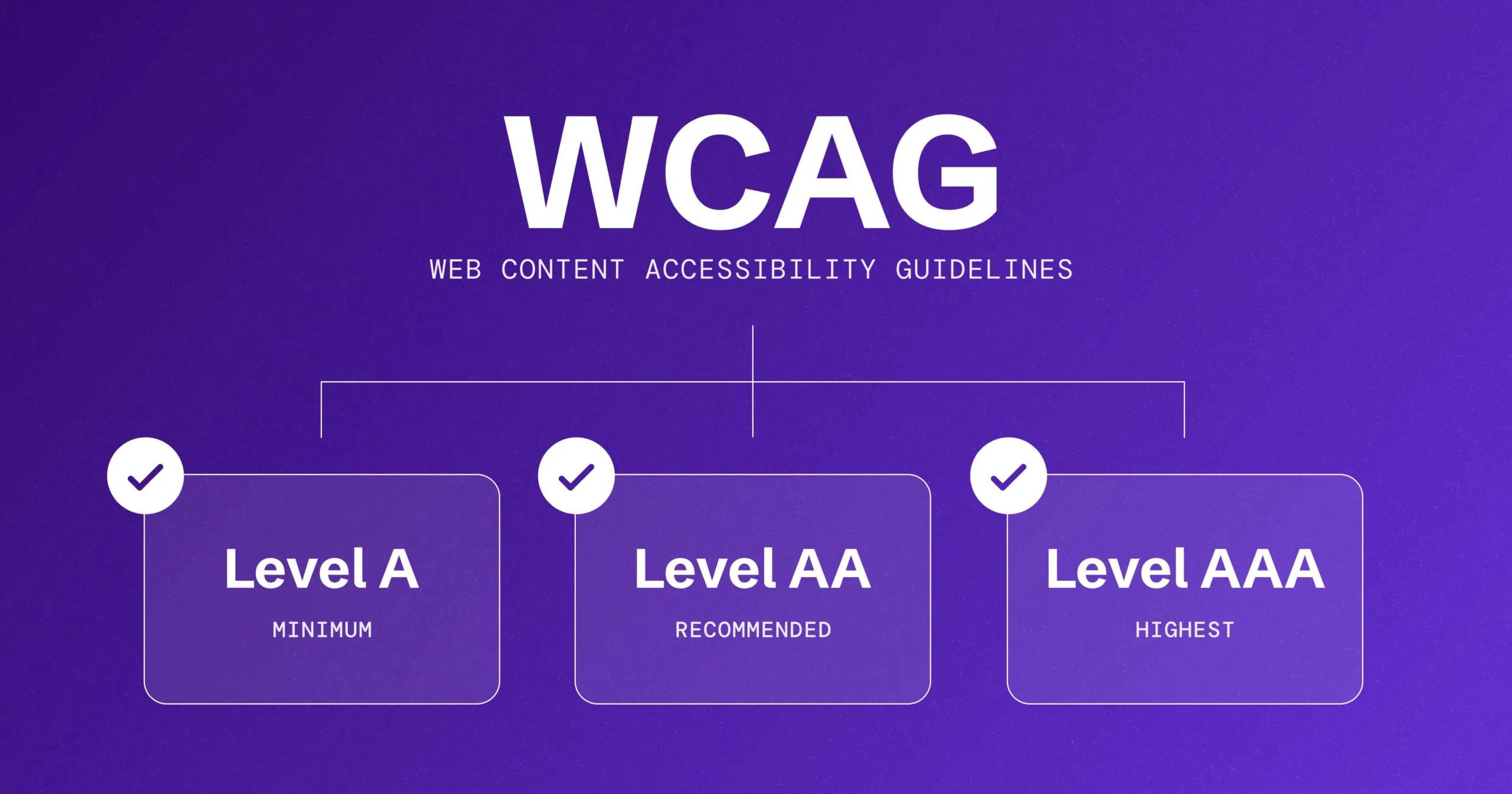
By utilizing tools like Figma’s component properties and variables, designers build modular systems that allow developers to implement changes globally without refactoring individual pages. The integration of these systems typically follows a three-tier approach:
- Foundation: Defining global tokens for color palettes, spacing, and grid systems that remain consistent across all breakpoints.
- Components: Building reusable UI elements with defined states—hover, active, disabled, and error—to ensure predictable user interactions.
- Documentation: Maintaining a living style guide that outlines usage patterns, ensuring that future design iterations do not deviate from the established brand identity.
This systematic approach reduces the design-to-development handoff time by approximately 30% to 40%. By standardizing the UI architecture, teams minimize technical debt and provide a predictable framework for future feature expansions. This level of precision is essential for firms operating in competitive markets where interface performance directly influences user retention and conversion rates.
Execution phases of user interface design services India
Professional design firms in India typically structure their delivery cycles into four distinct phases: discovery, wireframing, high-fidelity prototyping, and design system documentation. By utilizing agile methodologies, these teams break down complex UI projects into two-week sprints.
This approach allows for rapid iteration and ensures that performance metrics—such as user task completion rates and interface load times—are validated at every stage rather than waiting for a final product launch. During the discovery phase, teams prioritize stakeholder interviews and user persona mapping. This foundational work prevents scope creep and aligns the design direction with business objectives.
Once the requirements are solidified, the transition to wireframing focuses on information architecture. Indian design agencies leading the industry frequently leverage tools like Figma and Adobe XD to create collaborative environments where clients can track progress in real-time, effectively reducing the feedback loop duration.
Managing time zone and feedback synchronization
Maintaining design velocity while working with distributed teams requires a shift from synchronous meetings to asynchronous documentation. To bridge the time zone gap, successful partnerships rely on a ‘follow-the-sun’ model where design tasks are handed off at the end of the Indian business day, allowing for review by Western stakeholders overnight.
To maintain momentum, teams should implement the following practical methods:
- Centralized Commenting: Utilize Figma’s native commenting feature directly on design frames. This eliminates the need for lengthy email chains and keeps feedback context-aware.
- Daily Loom Walkthroughs: Designers record short, 3-minute video walkthroughs of their daily progress. This allows stakeholders to review design rationale and provide specific, actionable feedback without needing to schedule a live call.
- Version Control Discipline: Use structured naming conventions and version history in design files. This ensures that developers and stakeholders are always looking at the most current iteration, preventing confusion during handoff.
- Automated Status Updates: Integrate project management tools like Jira or Asana with communication platforms like Slack. Automated notifications ensure that as soon as a design task moves to ‘Ready for Review,’ the relevant team members are alerted immediately, regardless of their location.
By treating documentation as a primary deliverable, agencies ensure that the design process remains transparent. This structured approach minimizes the friction typically associated with offshoring, allowing for a seamless integration of Indian design talent into global product teams.
Integration with front-end development workflows
Effective user interface design services India prioritize seamless handoff processes to bridge the gap between static mockups and functional code. When design teams operate in isolation, technical debt accumulates rapidly through inconsistent spacing, incorrect color hex codes, or non-responsive layout assumptions.
Top-tier agencies mitigate this by embedding developers into the design review cycle early, ensuring that every interaction is technically feasible before it reaches the production sprint.
Tools for design-to-code translation
To minimize implementation errors, professional design teams utilize a standardized stack that automates the transition from visual assets to CSS/React components. Using Figma as the primary source of truth, designers maintain a strict design system where components are tagged with specific naming conventions that mirror the project’s codebase.
- Figma Dev Mode: This feature allows developers to inspect properties, export assets, and view code snippets directly, reducing the need for manual measurement or guesswork.
- Zeplin: Many agencies integrate Zeplin to generate style guides and documentation automatically. It serves as a central repository where developers can pull CSS, Swift, or XML code snippets, ensuring that the visual fidelity of the design is maintained during the coding phase.
- Storybook: By isolating UI components in Storybook, teams can build and test elements independently of the main application. This allows developers to verify that the design system’s logic holds up across different screen sizes and states without needing a fully integrated backend.
By enforcing these workflows, agencies reduce the back-and-forth communication cycles that typically plague remote collaboration. When a design system is synchronized across Figma and Storybook, the delivery cycle shortens because developers spend less time interpreting design intent and more time implementing robust, scalable code. This technical alignment is a hallmark of high-performing user interface design services India, distinguishing them from firms that provide purely aesthetic deliverables without regard for the underlying engineering constraints.
Limitations and common project bottlenecks
Engaging user interface design services India often involves navigating specific operational hurdles that can impact project velocity. Time zone differences remain the most cited friction point, particularly for teams based in North America or Europe.
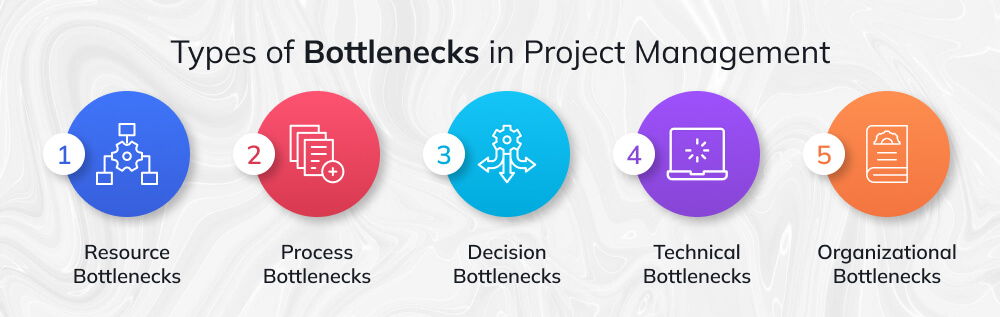
While many Indian design agencies offer overlapping hours, asynchronous communication can lead to 24-hour delays for simple feedback loops if project management tools are not utilized effectively. Another common bottleneck involves the initial discovery phase.
Without rigorous documentation of user personas and technical constraints, design teams may produce high-fidelity prototypes that fail to align with the backend architecture. This misalignment often stems from a lack of early-stage collaboration between the design firm and the client’s internal engineering team, leading to expensive rework cycles during the handoff phase.
Mitigating cultural and contextual design nuances
Ensuring that an interface resonates with a global audience requires more than aesthetic proficiency. Designers must account for varying reading patterns, color symbolism, and interaction preferences. For instance, while Western markets often prioritize minimalist, high-contrast layouts, some emerging markets favor information-dense interfaces that provide comprehensive data at a single glance.
To bridge these gaps, professional agencies implement several strategic safeguards:
- Localized User Testing: Agencies should conduct remote usability testing with participants from the target demographic rather than relying solely on internal feedback.
- Cultural Heuristic Audits: Before finalizing a design system, teams perform audits to identify potential cultural insensitivities, such as iconographic choices that may carry unintended meanings in specific regions.
- Behavioral Mapping: By analyzing heatmaps and session recordings from similar regional applications, designers can adapt navigation flows to match the established mental models of the local user base.
By treating cultural research as a mandatory milestone rather than an optional add-on, firms can significantly reduce the risk of post-launch friction. Effective collaboration relies on the client providing clear, data-backed insights into their target market, allowing the design team to pivot from generic best practices to highly tailored, context-aware solutions.
Measuring the ROI of professional UI design
Quantifying the impact of user interface design services India requires moving beyond aesthetic feedback to hard data analysis. Businesses must evaluate how specific design interventions influence user behavior and, ultimately, the bottom line. A professional engagement should yield measurable improvements in engagement depth, task completion speed, and revenue per user.
Key performance indicators for interface success
Tracking conversion metrics post-deployment is the most reliable way to assess the value of a design overhaul. When partnering with a firm, establish a baseline for these specific KPIs before the new interface goes live:
- Conversion Rate Optimization (CRO): Monitor the percentage of users who complete a primary action, such as signing up or purchasing, compared to the previous design iteration.
- Task Success Rate: Utilize tools like Hotjar or FullStory to record user sessions and identify if the new interface reduces the number of clicks required to reach a checkout page.
- Bounce Rate and Exit Pages: A well-designed interface should show a decrease in bounce rates on landing pages, indicating that the visual hierarchy and call-to-action placement are effectively capturing user interest.
- Customer Support Ticket Volume: A successful UI redesign often results in a measurable drop in tickets related to navigation issues or feature discovery, serving as a proxy for improved usability.
To ensure these metrics are accurate, implement A/B testing frameworks such as Optimizely or Google Optimize. By running controlled experiments on specific UI components—such as button color, form length, or navigation menu structure—you can isolate the impact of the design changes from external marketing variables.
If the design agency provides a clear, data-backed report showing a 15% increase in conversion through these testing cycles, the investment in professional services is easily justified against the initial project cost. Focus on long-term retention metrics rather than just immediate traffic spikes to determine the true sustainability of the design improvements.
Frequently Asked Questions
Standard delivery cycles for UI design firms in India
Most professional firms in India operate on 2-week sprint cycles, aligning with Agile methodologies to ensure iterative feedback loops and rapid prototyping. If you are looking for a web3 agency india, consider how their specific sprint cycles integrate with your product roadmap.
Methodologies for measuring project success in Indian design agencies
Success is typically measured through KPIs such as user task completion rates, conversion rate optimization (CRO) improvements, and the reduction of design debt in the final build. For specialized platforms, hiring a b2b ux design agency can ensure these metrics are aligned with complex user needs. Stay updated on the latest web design trends to keep your product competitive. Choosing the right partner from the design agencies year after year is crucial for long-term growth.


