



Defining your SaaS marketing goals before engaging a firm
To select the best SaaS marketing firms, a clear internal roadmap is essential. Before vetting agencies, you must define whether your primary objective is top-of-funnel lead generation, improving product-led growth (PLG) conversion rates, or establishing thought leadership in a crowded vertical.
Agencies often specialize in specific stages. A firm that excels at scaling a Series B enterprise SaaS product may struggle with the rapid, low-cost acquisition tactics required for a pre-seed startup.
Identifying your target audience and unique value proposition
A marketing firm can only be as effective as the clarity of your positioning. You must articulate exactly who your ideal customer profile (ICP) is and why your solution solves their specific pain points better than incumbents.
If you cannot define your unique value proposition (UVP) in one sentence, an agency will likely waste your budget on broad, ineffective campaigns. Prepare a document for prospective firms that includes:
- Firmographics: Company size, industry, and revenue range of your target buyers.
- Technographics: The tech stack your prospects currently use that makes your integration valuable.
- The “Job-to-be-Done”: The specific task your software helps the user accomplish, rather than just a list of features.
Setting measurable KPIs for marketing success
Vague goals like “improve brand awareness” lead to misaligned expectations and wasted spend. You need to communicate concrete, time-bound metrics to your marketing partner.
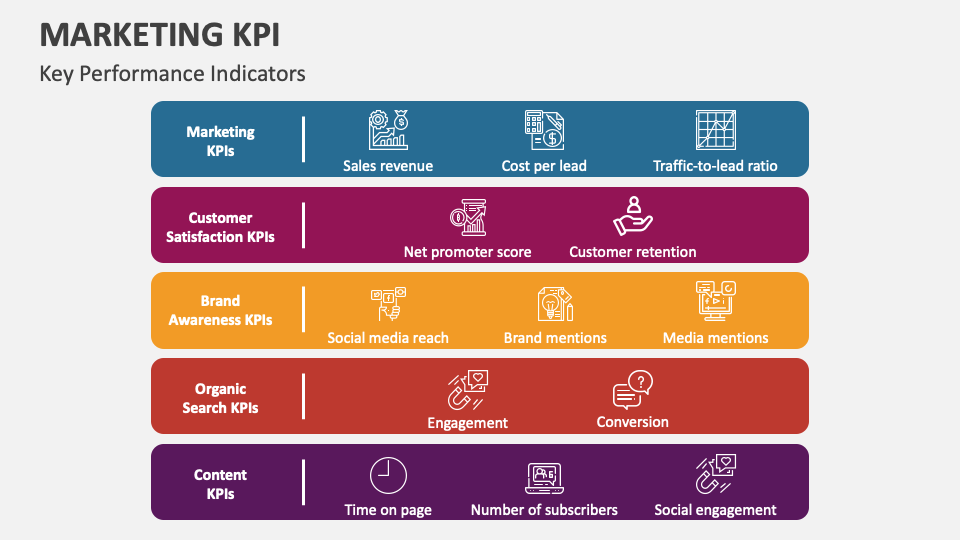
When evaluating the best SaaS digital marketing agency, ask them how they track and report on these specific indicators:
- Customer Acquisition Cost (CAC) Payback Period: How long it takes to recover the cost of acquiring a customer.
- Product-Qualified Leads (PQLs): For PLG models, focus on users who have reached a specific activation milestone within your app.
- Net Revenue Retention (NRR): Ensure the agency understands that marketing should support expansion revenue, not just new logo acquisition.
- Conversion Rate by Channel: Demand transparency on which specific ad sets or content pieces drive actual sign-ups versus vanity traffic.
By establishing these benchmarks early, you create an objective framework to evaluate performance. If a firm cannot demonstrate how their strategy directly impacts these metrics, they are likely not the right fit for your growth stage.
Key evaluation criteria for the best SaaS marketing firms
Selecting a partner requires moving beyond polished pitch decks. The best SaaS marketing firms, which are essentially digital marketing agencies, demonstrate measurable impact on metrics that actually drive revenue, such as Customer Acquisition Cost (CAC), Lifetime Value (LTV), and Monthly Recurring Revenue (MRR) growth.
You must prioritize agencies that understand the specific nuances of the B2B subscription model, such as long sales cycles and product-led growth (PLG) motions.
Proven track record and relevant case studies
Do not settle for generic testimonials. Demand case studies that mirror your current growth stage. If you are a Series A startup, a firm that only works with enterprise-level clients may lack the agility needed for your stage.
Look for specific data points, such as a documented reduction in churn or a verifiable increase in demo requests over a six-month period. When reviewing these documents, verify the following:
- Attribution models: How do they track leads from initial click to closed-won deal?
- Platform focus: Have they successfully scaled campaigns on the specific channels you need, such as LinkedIn Ads for account-based marketing (ABM) or SEO for long-tail search intent?
- Client retention: Ask for the average length of their client engagements to ensure they are not just driving short-term spikes.
Team expertise and industry certifications
The technical nature of SaaS requires a team that speaks the language of developers and product managers. A firm’s personnel should hold current certifications from platforms like Google Ads, HubSpot, or Salesforce, but these are merely the baseline.
You need to assess their practical application of these tools. Ask the following questions during your discovery call:
- Content depth: Can their writers produce technical white papers or documentation-style blog posts that satisfy a CTO or technical buyer?
- Data literacy: Can their analysts explain how they optimize for conversion rate optimization (CRO) within the product funnel, rather than just vanity metrics like traffic?
- Tool stack familiarity: Are they proficient in your specific CRM and marketing automation stack, such as Marketo, Intercom, or Pendo?
Avoid firms that rely heavily on junior account managers who lack direct experience in the SaaS ecosystem. Ensure the team assigned to your account has a background in B2B demand generation, as this is fundamentally different from e-commerce or B2C performance marketing.
Matching firm specialization to your SaaS niche and growth stage
Selecting the best SaaS marketing firms requires more than reviewing a portfolio; it demands a precise alignment between the agency’s historical performance and your current business trajectory.
A firm that excels at scaling enterprise software may lack the agility required for a product-led growth (PLG) startup, while a consumer-focused agency might struggle with the complex sales cycles inherent in B2B enterprise solutions.
B2B versus B2C SaaS marketing expertise
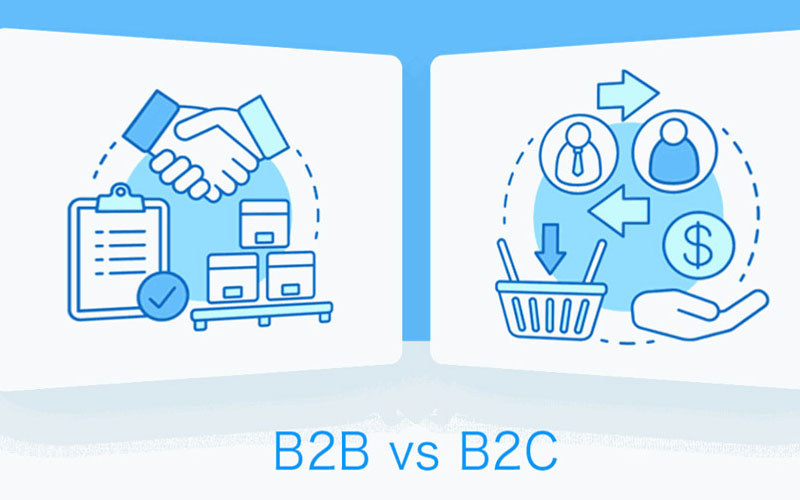
The marketing mechanics for B2B and B2C SaaS models operate on fundamentally different psychological and operational triggers. B2B SaaS marketing relies heavily on account-based marketing (ABM), white-paper lead magnets, and long-form technical content designed to satisfy procurement committees and IT decision-makers.
If you hire a firm that specializes in B2C, you risk wasting budget on high-volume, low-intent traffic that fails to convert into qualified leads. Conversely, B2C SaaS marketing prioritizes viral loops, social proof, and high-velocity conversion funnels.
An agency experienced in B2C understands how to leverage influencer partnerships and aggressive paid social campaigns to lower customer acquisition costs (CAC). Choosing a firm without specific experience in your business model often leads to a mismatch in key performance indicators (KPIs), where the agency optimizes for the wrong metrics—such as clicks instead of demo requests.
Early-stage startup versus established enterprise focus
Your growth stage dictates the specific marketing infrastructure you need. Early-stage startups require a firm that acts as a fractional CMO, capable of testing multiple channels rapidly to find product-market fit.
These firms must be comfortable working with limited data and pivoting strategies based on weekly feedback loops. They prioritize “growth hacking” techniques that provide immediate, measurable traction.
In contrast, established enterprises need agencies that specialize in brand authority, SEO defensibility, and multi-touch attribution modeling. These firms are accustomed to navigating internal stakeholder approvals, complex CRM integrations, and long-term content roadmaps.
If you are an enterprise, avoid agencies that focus exclusively on “quick wins,” as their lack of long-term strategic planning will likely result in fragmented brand messaging and poor integration with your existing marketing stack.
Understanding pricing models and calculating potential ROI
Selecting the best SaaS marketing firms requires a clear grasp of how agencies structure their fees and how those costs translate into measurable growth. Aligning your budget with the right billing model is critical for maintaining cash flow during early-stage scaling or enterprise expansion, and avoiding the trap of the cheapest SaaS digital marketing agency.
Retainer, project-based, and performance-based fees
Most agencies utilize one of three primary billing structures, each carrying distinct risks and benefits for your SaaS business:
- Monthly Retainers: This is the industry standard for long-term growth. You pay a fixed monthly fee for a dedicated team, which provides stability and consistent execution of SEO, content, and paid acquisition strategies. It is ideal for companies that need a predictable marketing roadmap.
- Project-Based Fees: Best suited for one-off initiatives, such as a website redesign, a specific product launch, or a technical SEO audit. While this limits your financial commitment, it often lacks the ongoing optimization required for sustained SaaS growth.
- Performance-Based Fees: These models link compensation to specific KPIs, such as qualified leads or demo bookings. While seemingly low-risk, many high-tier agencies avoid this model because it can lead to aggressive, low-quality acquisition tactics that harm your long-term brand equity and customer lifetime value (LTV).
Realistic expectations for marketing ROI in SaaS
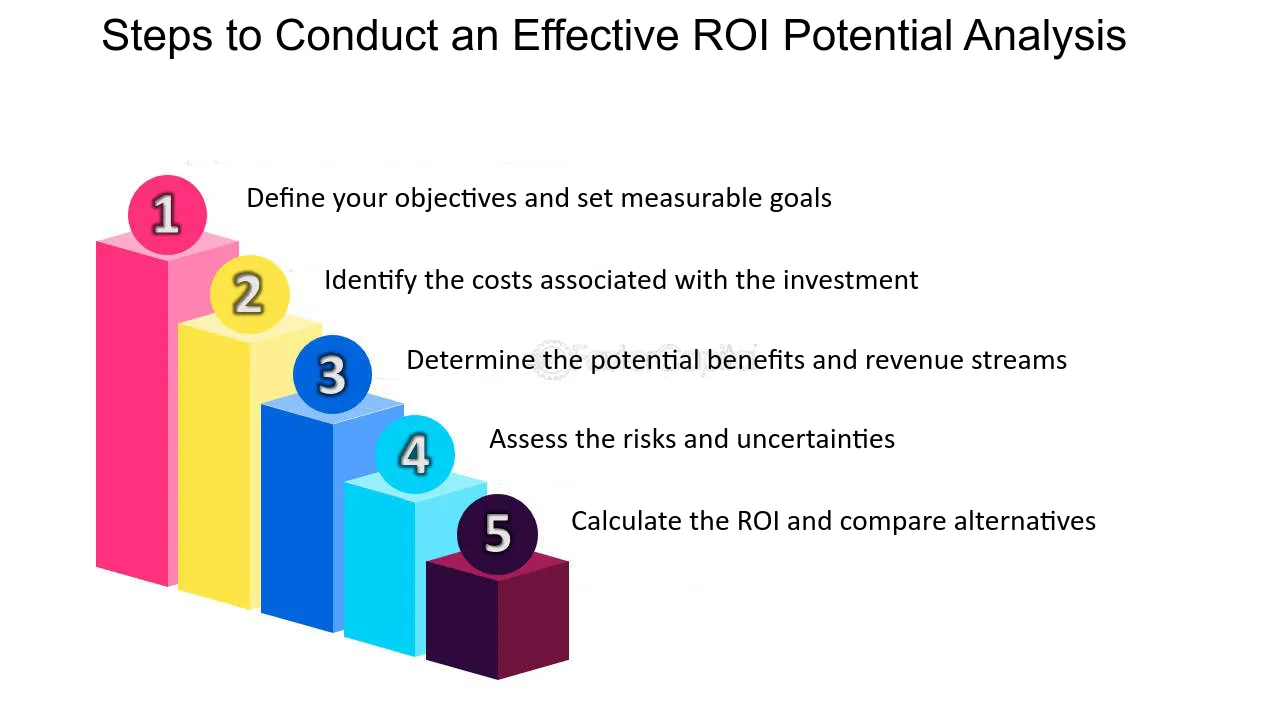
Calculating ROI in SaaS is not as simple as tracking immediate sales; it requires a deep understanding of your Customer Acquisition Cost (CAC) and LTV. When evaluating the best SaaS marketing firms, ask them to provide case studies that detail their impact on these specific metrics rather than just vanity metrics like traffic or social media impressions.
A realistic ROI timeline for a new SEO or content strategy is typically six to nine months. If an agency promises immediate, exponential growth within the first 30 days, treat it as a red flag.
Instead, look for agencies that focus on improving conversion rates across your funnel. For example, if an agency helps you increase your free-to-paid conversion rate by just 2%, the cumulative impact on your annual recurring revenue (ARR) often far outweighs the cost of the agency retainer.
Always request a breakdown of how they attribute lead quality to their specific campaigns to ensure your marketing spend is driving actual revenue, not just noise.
What to expect from onboarding and ongoing collaboration
The transition from signing a contract to executing your first campaign is the most critical phase of your partnership. Top-tier agencies typically follow a structured 30-day onboarding process that begins with a deep-dive audit of your existing tech stack, CRM data, and historical ad performance.
You should expect a dedicated Slack channel or a shared workspace on their project management platform within 48 hours of the kickoff call to ensure transparency from day one.
Communication protocols and reporting frequency
Effective SaaS marketing firms, often considered leading digital marketing agencies, operate on a cadence that balances strategic alignment with operational autonomy. Expect a weekly sync call—usually 30 to 45 minutes—focused on tactical progress, immediate blockers, and upcoming content calendars.
Monthly meetings should be reserved for high-level performance reviews, where the agency presents data-backed insights rather than just vanity metrics like impressions or clicks. Demand that your reporting includes:
- Customer Acquisition Cost (CAC) by channel: A breakdown of spend versus new sign-ups.
- Lead-to-Customer conversion rates: Tracking the quality of leads passing from marketing to sales.
- Churn impact: Analysis of how marketing messaging is influencing user retention.
Tools and technologies for project management
The best SaaS marketing firms integrate directly into your existing workflow rather than forcing you into theirs. If your team uses Asana, Trello, or Jira, the agency should be able to adopt these tools to track deliverables and milestones.
For collaborative document editing and strategy roadmaps, expect the use of Notion, Google Workspace, or Confluence. Avoid firms that rely exclusively on email threads for project management.
If an agency cannot provide a centralized dashboard or a shared task board, you will inevitably face communication silos. A professional firm will provide you with a read-only view of their internal project tracking, allowing you to see the status of every asset—from blog drafts to landing page wireframes—without needing to send a follow-up email.
Common pitfalls and red flags when selecting a SaaS marketing firm
Selecting the wrong agency can lead to wasted budget and stalled growth. Identifying these warning signs early in the vetting process saves your team from months of misaligned efforts and poor ROI.
Unrealistic guarantees and opaque processes
Avoid any agency that promises specific rankings, guaranteed lead counts, or overnight viral success. SaaS marketing is a long-term game built on data-driven iteration, not magic bullets.
If a firm refuses to explain their methodology or hides behind a ‘proprietary black box’ strategy, walk away. Legitimate partners should be able to walk you through their specific framework, such as how they conduct keyword research using tools like Ahrefs or Semrush, or how they structure their paid search campaigns in Google Ads.
Transparency is the baseline. A reputable firm will provide clear reporting on KPIs that actually matter to your business, such as Customer Acquisition Cost (CAC) and Monthly Recurring Revenue (MRR), rather than vanity metrics like ‘impressions’ or ‘likes’ that do not impact your bottom line.
Lack of cultural fit or poor communication during discovery
Even if a firm has an impressive portfolio, a mismatch in communication style can derail your project. During the discovery phase, pay close attention to how they handle your questions.
Do they listen more than they talk? Are they asking deep questions about your product-market fit, churn rates, and sales cycle, or are they just rushing to present a generic pitch deck?
A strong partner acts as an extension of your internal team. If they are slow to respond to emails, use overly complex jargon to mask a lack of strategy, or fail to show interest in your specific product nuances, these are clear red flags.
You need a team that understands the technical nature of your SaaS product and can communicate that value to your target audience effectively. If you feel like just another ticket in their queue during the sales process, that dynamic will likely worsen once you sign a contract.
Frequently Asked Questions
When should a SaaS company hire an external marketing firm?
You should consider an external firm once you have achieved product-market fit and have a repeatable sales process. Hiring before this stage often results in burning capital on lead generation for a product that hasn’t been validated.
What is the difference between a generalist agency and a SaaS-focused firm?
SaaS-focused firms understand the nuances of the subscription model, such as LTV (Lifetime Value), CAC (Customer Acquisition Cost), and churn reduction. Generalist agencies often focus on vanity metrics like traffic or social media engagement rather than bottom-line revenue growth.
How do I verify if a marketing firm is actually good at SaaS?
Ask for case studies that specifically mention MRR growth, reduction in churn, or improvements in trial-to-paid conversion rates. If they cannot provide data beyond “increased website traffic”, they likely lack deep SaaS expertise.


