



The fundamental disconnect in agency models
A digital marketing agency for saas companies must prioritize recurring revenue metrics over vanity traffic numbers because software products rely on long-term user retention rather than one-time transactions. Generalist agencies often optimize for impressions or clicks, which fail to address the complex, multi-touch sales cycles inherent in B2B software where Customer Acquisition Cost (CAC) and Lifetime Value (LTV) dictate long-term viability.
Core services for high-performing SaaS growth
Effective SaaS marketing requires a blend of technical SEO, product-led growth (PLG) strategies, and conversion rate optimization (CRO). Agencies must focus on:
- Intent-based SEO: Targeting bottom-of-funnel keywords like “[software name] alternative” or “how to integrate [tool] with [platform].”
- PLG alignment: Designing marketing funnels that encourage self-serve trials rather than forcing immediate sales calls.
- CRO: Using tools like Hotjar or FullStory to identify friction points in the sign-up flow that cause drop-offs.
Identifying the right time to outsource
Founders should consider an external partner once they reach $10k–$20k in Monthly Recurring Revenue (MRR). At this stage, the product-market fit is established, and the internal team needs specialized expertise to scale paid acquisition and organic content without diverting focus from product development.
Common pitfalls when vetting a SaaS digital marketing agency
Avoid agencies that promise “guaranteed traffic” or report primarily on social media engagement. Look for red flags such as a lack of experience with complex demo-to-close funnels or an inability to discuss how their work impacts churn rates. A specialized agency should demonstrate a deep understanding of your specific industry vertical.
Structuring contracts for performance
Move away from flat-fee retainers toward performance-based incentives that reward the agency for qualified leads or trial sign-ups. This alignment ensures that the agency is motivated to improve the quality of traffic rather than just the volume, directly linking their compensation to your bottom-line growth.
Measuring success beyond vanity metrics
True success in SaaS marketing is measured by trial-to-paid conversion rates and the reduction of churn through educational content. Marketing touchpoints should serve to onboard users and demonstrate product value, turning leads into power users who are less likely to cancel their subscriptions.
Integrating marketing with product development
A feedback loop between your marketing team and product developers is essential for refining the user onboarding experience. When marketing data reveals that users are dropping off at a specific feature introduction, the product team can adjust the UI to improve retention, creating a cohesive growth engine.
Advanced attribution modeling for SaaS
Standard last-click attribution often misrepresents the value of content marketing in a SaaS sales cycle. A sophisticated saas digital marketing agency in bangalore will implement multi-touch attribution using tools like HockeyStack or Dreamdata. These platforms track the entire user journey, showing how a blog post read three months ago contributed to a trial sign-up today. Without this granular data, you risk cutting off high-performing top-of-funnel channels that appear to have a low immediate ROI.
Budgeting for sustainable growth
SaaS companies typically allocate 15% to 30% of their annual recurring revenue (ARR) to marketing during the growth phase. Allocate your budget by prioritizing high-intent paid search (Google Ads) to capture immediate demand, while dedicating at least 40% of the budget to organic content assets that provide compounding returns over time. For those looking to expand their reach, exploring best saas marketing firms can provide the necessary scale.
The Role of Content Velocity in SaaS
Beyond standard SEO, high-growth SaaS firms require a consistent content velocity to maintain authority. This involves producing technical whitepapers, case studies, and comparison pages that address specific pain points. A specialized agency should manage this editorial calendar to ensure that content is not just published, but actively distributed through newsletters and industry-specific communities to maximize reach.
Operationalizing the Agency-Client Relationship
To maximize the output of your SaaS digital marketing agency, establish a bi-weekly sprint cadence that mirrors your product development cycle. This ensures that marketing campaigns are synchronized with new feature releases or UI updates. Require the agency to provide a monthly “Revenue Impact Report” that maps specific marketing activities to cohort retention data. By forcing this level of transparency, you move the agency from a service provider to a strategic growth partner that understands the nuances of your specific churn cohorts and expansion revenue opportunities.
Leveraging Paid Acquisition Channels
While organic growth is the goal, paid channels are necessary for scaling. A competent agency will manage your Google Ads and LinkedIn Sponsored Content with a focus on “Cost Per Trial” rather than “Cost Per Click.” They should be testing landing page variations using tools like Unbounce or Instapage to ensure that the traffic you pay for actually converts into active users. If an agency is not running A/B tests on your landing pages, they are likely wasting a significant portion of your ad spend.
The Importance of Technical SEO for SaaS
SaaS platforms often face unique technical challenges, such as managing thousands of programmatic landing pages or handling complex URL structures for localized versions of the site. A specialized agency must audit your site for crawl budget efficiency and ensure that your core web vitals are optimized. For instance, if your platform uses a heavy JavaScript framework, the agency must ensure that search engine crawlers can effectively render and index your content. Neglecting these technical foundations can lead to significant indexing issues, rendering even the best content strategy ineffective.

Strategic Content Syndication and Distribution
Publishing content is only half the battle; distribution is where the real growth happens. A high-performing saas digital marketing agency in hyderabad will not just post to your blog but will actively syndicate content to platforms like Medium, Dev.to, or industry-specific newsletters. They should also repurpose long-form whitepapers into shorter LinkedIn carousels or Twitter threads to capture different segments of your audience. By diversifying the distribution channels, you ensure that your content reaches users at various stages of the buying journey, from initial awareness to final decision-making.
Navigating the SaaS Competitive Landscape
In crowded markets, differentiation is your primary defense against churn. A high-quality agency will conduct competitive gap analysis to identify where your product offers unique value that competitors ignore. They should help you build “comparison pages” that objectively highlight why your feature set is superior for specific use cases. By focusing on these high-intent search queries, you capture users who are already in the decision phase, significantly shortening your sales cycle and improving your overall conversion efficiency.
Managing Agency Transitions and Onboarding
Switching agencies is often necessary when growth plateaus. To ensure a smooth transition, maintain ownership of all ad accounts, analytics properties, and domain assets. A new agency should spend the first 30 days conducting a comprehensive audit of your historical data to identify what worked and what failed. Avoid agencies that want to “start from scratch” without analyzing your existing conversion data, as this often leads to a loss of momentum and wasted budget on redundant testing.
The Nuance of Cohort Analysis in Marketing
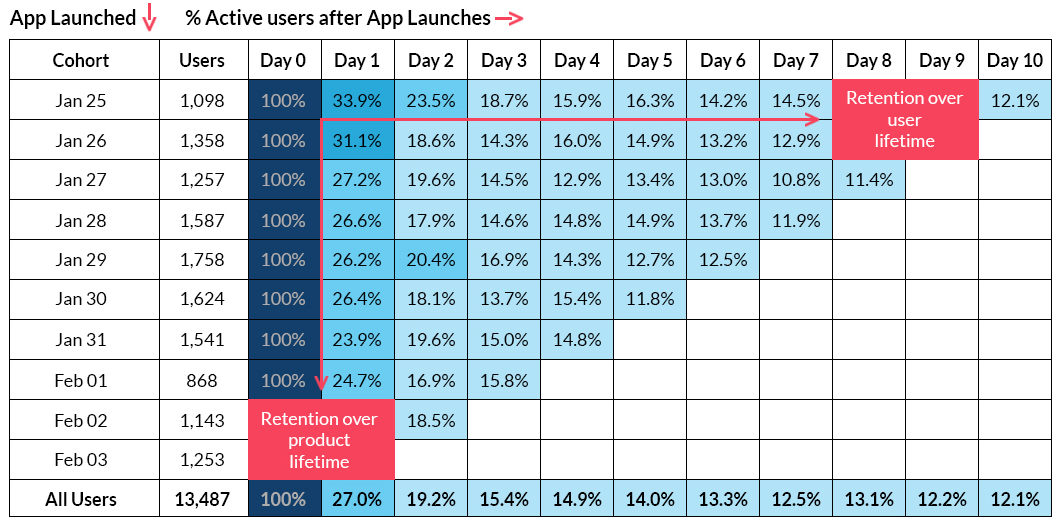
A truly effective SaaS digital marketing agency does not just look at aggregate monthly sign-ups; they analyze cohort behavior. By tracking users who signed up in January versus those who signed up in February, the agency can determine if specific marketing campaigns are attracting higher-quality users who stay longer. If a campaign drives 500 sign-ups but those users churn within 30 days, the agency must pivot the targeting criteria. This level of granular analysis ensures that your marketing spend is not just driving volume, but driving sustainable, long-term revenue growth.
Scaling Through Strategic Partnerships
Beyond direct acquisition, a mature SaaS marketing strategy involves building an ecosystem. A top-tier agency will help you identify and execute co-marketing partnerships with non-competing software providers that share your target audience. This could involve joint webinars, shared whitepapers, or integration-focused content that leverages the existing trust of a partner’s user base. By tapping into established communities, you reduce your reliance on expensive paid search and build a more resilient, diversified lead generation engine that scales alongside your product roadmap.
Frequently Asked Questions
What makes a digital marketing agency specialized for SaaS?
A specialized SaaS agency focuses on subscription-based business models, prioritizing metrics like CAC, LTV, and churn reduction rather than just traffic or clicks.
How much should a SaaS company spend on digital marketing?
Most growth-stage SaaS companies allocate between 15% and 30% of their Annual Recurring Revenue (ARR) to marketing efforts.
What is the difference between general and SaaS-focused marketing agencies?
General agencies often focus on brand awareness and volume, while SaaS-focused agencies prioritize the complex, multi-touch sales funnel and product-led growth strategies.
How do I choose the best SaaS marketing agency for my startup?
Look for agencies that provide case studies involving specific SaaS metrics, understand your product’s sales cycle, and offer performance-based incentives.
Does SaaS marketing require specific UI/UX expertise?
Yes, because marketing touchpoints often overlap with the product onboarding experience, requiring an understanding of how UI/UX impacts conversion rates.
What is SaaS in digital marketing?
SaaS in digital marketing refers to the strategies used to acquire and retain users for Software as a Service products, which typically involve recurring subscription models. For broader tech needs, many firms also evaluate saas marketing examples to support their growth.
- Verification criteria for selecting a digital marketing agency for SaaS companies
- Why your account based marketing LinkedIn strategy is failing?
- Why most SaaS marketing examples fail to drive actual revenue?
- Why a specialized B2B UX design agency is vital for crypto platforms?


