



The trap of vanity metrics in SaaS marketing examples
Most SaaS marketing examples fail because they prioritize vanity metrics like social media engagement, blog traffic, or newsletter sign-ups over qualified pipeline growth. While a viral LinkedIn post or a high-traffic SEO article might look impressive on a quarterly report, these metrics rarely correlate with Annual Recurring Revenue (ARR) if the audience consists of casual observers rather than decision-makers.
Companies often fall into the trap of mimicking high-level brand campaigns from industry giants like Salesforce or HubSpot without possessing the corresponding product-market fit or sales infrastructure. For instance, a seed-stage B2B SaaS company might spend its limited budget on top-of-funnel awareness campaigns—such as broad-reach display ads or generic industry whitepapers—hoping to replicate the brand authority of established players.
This approach ignores the reality that early-stage revenue is driven by high-intent, bottom-of-funnel actions, such as demo requests or specific feature-based trials. If you are struggling to scale, you might need to consult with professional saas marketing agencies to refine your strategy.
To avoid this, successful SaaS teams shift their focus toward “revenue-first” metrics. Instead of measuring total page views, they track the conversion rate from “visitor to qualified lead” (MQL) and “lead to closed-won deal.” Consider these tactical shifts:
- Content Alignment: Stop writing generic “What is X?” blog posts. Instead, create comparison pages like “[Your Product] vs. [Competitor]” which capture users already evaluating a purchase decision.
- Intent-Based Paid Media: Move budget away from broad LinkedIn audience targeting. Focus instead on retargeting users who have visited your pricing or integration pages, as these individuals have already demonstrated clear buying intent.
- Product-Led Growth (PLG) Loops: Replace gated content with interactive product tours. Allowing a prospect to experience the core value proposition within the browser reduces friction and provides your sales team with actionable data on feature usage before they even initiate contact.
The core issue with many popular SaaS marketing examples is the lack of context regarding the company’s stage. A strategy that works for a company with a $100 million ARR will likely bankrupt a startup that needs to prove its unit economics today. By ignoring vanity metrics and focusing on the specific touchpoints that lead to a signed contract, you can build a marketing engine that directly impacts the bottom line rather than just inflating vanity dashboards.
Product-led growth as a marketing engine
Many SaaS companies treat marketing as an external megaphone, pushing features through paid ads or content hubs. This approach often fails because it decouples the value proposition from the actual user experience. Product-led growth (PLG) flips this dynamic by turning the software itself into the primary marketing vehicle. When your product provides immediate, tangible value before a credit card is ever swiped, the marketing burden shifts from persuasion to onboarding optimization.
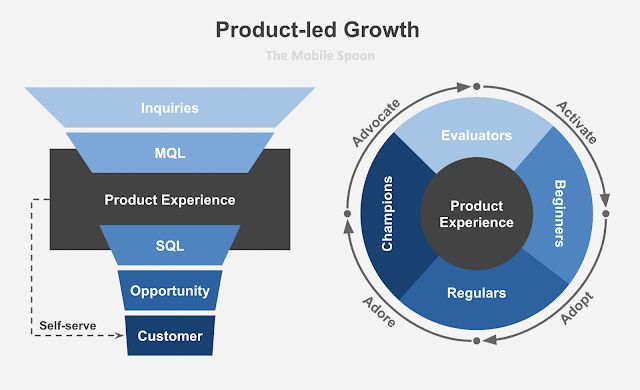
Consider the difference between a traditional gated demo and a self-serve trial. A gated demo relies on a high-friction sales cycle where marketing examples often focus on vanity metrics like lead volume. Conversely, a PLG model prioritizes time-to-value (TTV).
For instance, tools like Slack or Notion do not rely on aggressive whitepapers to convert users; they rely on the user successfully completing a core task—such as creating a workspace or inviting a collaborator—within the first five minutes of interaction.
To execute this effectively, your marketing team must focus on three specific levers:
- In-app triggers: Use behavioral data to prompt upgrades only when a user hits a specific milestone, such as reaching a storage limit or needing a premium integration.
- Educational friction reduction: Replace generic “book a demo” CTAs with interactive product tours or “sandbox” environments that allow users to manipulate live data.
- Viral loops: Build sharing mechanisms directly into the workflow, such as generating a public link for a project or requiring team invites for collaborative features.
The primary risk in PLG marketing is the “leaky bucket” syndrome. If your marketing brings in thousands of trial users but the product onboarding is confusing, you are simply accelerating churn. Successful SaaS teams analyze drop-off points in the sign-up flow with the same rigor they apply to ad spend. By aligning marketing messaging with the exact features that drive user retention, you ensure that your acquisition efforts actually translate into recurring revenue rather than just temporary user spikes.
High-intent acquisition vs. broad awareness
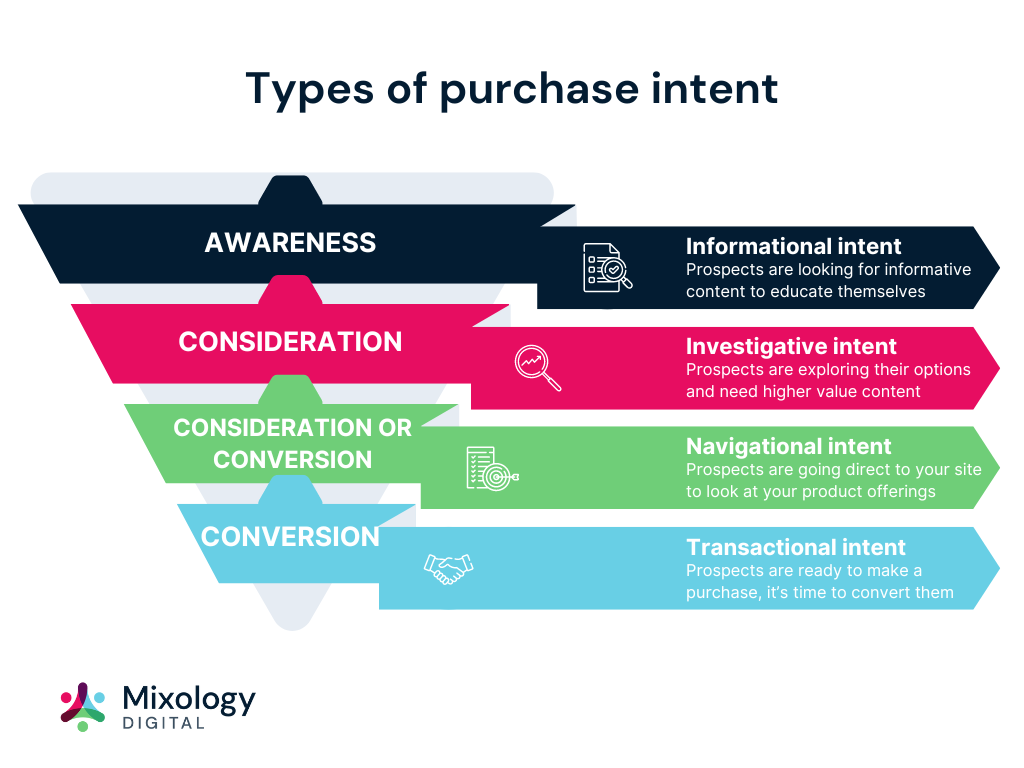
Many SaaS marketing examples fail because they prioritize vanity metrics like page views or social media engagement over bottom-of-funnel conversions. Broad awareness campaigns often attract users who have no immediate need for your software, leading to high bounce rates and low trial-to-paid conversion ratios. If you are looking for a partner to help you avoid these pitfalls, consider researching a cheapest digital marketing agency for saas to understand why low-cost options can be a trap.
Effective SaaS growth relies on targeting users who are actively searching for a solution to a specific pain point. Instead of producing generic content, successful companies focus on high-intent channels:
- Comparison Pages: Creating “Alternative to [Competitor]” pages captures traffic from users already convinced they need a specific type of tool but who are dissatisfied with their current provider.
- Job-to-be-Done (JTBD) Case Studies: Rather than generic testimonials, these highlight the exact workflow problem a client faced and the specific metrics improved after implementation.
- Tool-Based Lead Magnets: Free calculators, audit tools, or specialized templates provide immediate value and capture high-quality leads who are ready to solve a technical challenge.
For instance, a CRM provider might see little revenue impact from a viral blog post about “The Future of Sales.” However, a technical guide titled “How to Automate Lead Scoring in Salesforce” attracts users actively struggling with manual data entry. This distinction is critical.
Broad awareness is a brand-building exercise, but high-intent acquisition is a revenue-generating machine. For those in the blockchain space, implementing blockchain content marketing can be just as vital for establishing authority.
When analyzing successful SaaS marketing examples, look past the surface-level creativity. Ask yourself if the campaign targets a user who is ready to buy or a user who is merely browsing. If your marketing budget is limited, shift your resources away from broad-reach social media ads and toward search-driven content that addresses specific “how-to” queries. This approach ensures that every dollar spent is directed toward users who have already identified a problem that your software is uniquely positioned to solve.
The role of community in long-term retention
Most SaaS companies treat community as a secondary support channel rather than a core revenue driver. Successful SaaS marketing examples prove that shifting from a transactional customer relationship to a community-led model significantly lowers churn rates. When users feel invested in a product ecosystem, they become advocates who reduce your reliance on expensive paid acquisition channels. If you are exploring broader digital strategies, you might want to review digital marketing agencies that specialize in community-driven growth.
Consider the approach taken by platforms like Notion or Figma. They do not just sell software; they facilitate user-generated content. By hosting forums, template galleries, and local meetups, these brands allow users to solve each other’s problems. This peer-to-peer support model creates a feedback loop that provides your product team with actionable insights while simultaneously increasing the switching cost for the user.
To integrate community into your strategy, focus on these three practical steps:
- Centralize user feedback: Use tools like Canny or Productboard to let your community vote on feature requests. This transparency builds trust and ensures your roadmap aligns with actual user pain points.
- Empower power users: Identify the top 5% of your user base and provide them with early access to beta features or exclusive content. Their validation carries more weight with prospective customers than any polished marketing copy.
- Create educational hubs: Instead of just pushing product updates, build a knowledge base that teaches industry-specific skills. For example, a CRM company should produce content on sales management best practices, not just feature tutorials.
The primary risk here is superficiality. If your community strategy feels like a forced marketing tactic, users will disengage. Authentic community building requires a commitment to transparency, even when acknowledging product limitations. When you prioritize user success over immediate conversion, the revenue follows as a byproduct of high retention and organic referrals.
Stop viewing your user base as a list of emails to be marketed to and start treating them as a collective force that defines the future of your platform. For those looking to deepen their expertise, finding the best web3 marketing courses and books can provide a new perspective on community engagement.
Frequently Asked Questions
Why do popular SaaS marketing examples often fail to work for new startups?
Most public examples showcase mature companies with massive budgets and established brand authority. Applying these tactics without the same infrastructure often leads to high acquisition costs and low conversion rates.
What is the biggest mistake in SaaS marketing?
The most common mistake is prioritizing vanity metrics like social media engagement or website traffic over product-qualified leads (PQLs) and customer lifetime value (CLV).


