



Risks of vanity metrics in SaaS marketing
Selecting the right digital marketing agency for SaaS companies is a critical decision, as generalist firms often prioritize vanity metrics that fail to drive sustainable Monthly Recurring Revenue (MRR) growth. These agencies frequently focus on top-of-funnel metrics like social media impressions, page views, and email open rates, which are often disconnected from a SaaS business’s primary objectives.
For instance, a generalist agency might highlight a 20% increase in website traffic. If that traffic consists of casual browsers rather than high-intent decision-makers, the campaign represents a sunk cost rather than a strategic investment.
SaaS marketing requires a shift from broad awareness to high-intent conversion. When an agency lacks deep experience in the software-as-a-service sector, they often fail to implement the tracking infrastructure necessary to measure Product Qualified Leads (PQLs) or trial-to-paid conversion rates.
Instead, they focus on broad-spectrum SEO keywords that drive high volume but low intent. This creates a disconnect where the marketing team celebrates traffic spikes while the sales team struggles with a pipeline full of unqualified leads that will never convert into long-term subscribers.
The most effective partner operates on a funnel-based attribution model rather than vanity metrics. They understand that a SaaS buyer’s journey is non-linear and often involves multiple touchpoints, including whitepapers, technical documentation, and webinar attendance. A specialized agency will map these interactions to specific stages of the sales cycle.
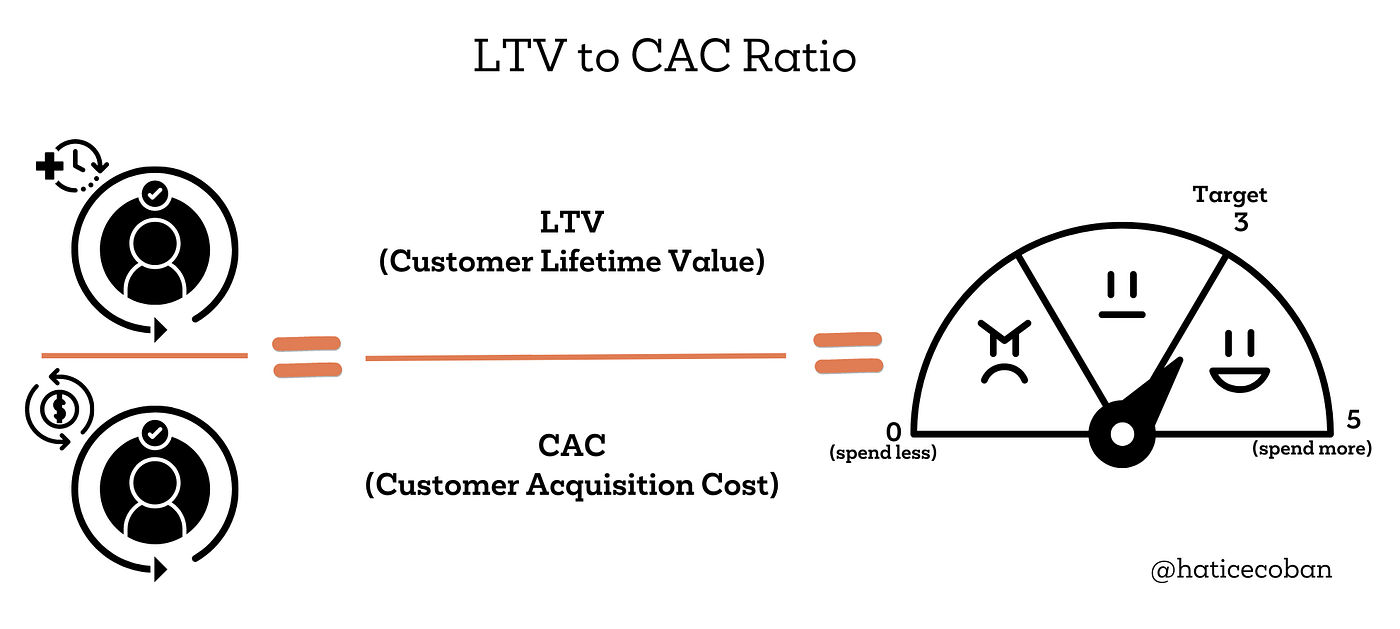
By focusing on Customer Acquisition Cost (CAC) and Lifetime Value (LTV) rather than just clicks, they ensure that every marketing dollar spent is tied to a measurable impact on the company’s bottom line. Relying on a generalist firm often means paying for activity rather than outcomes, leaving your growth strategy vulnerable to superficial data that masks a lack of actual business progress.
Evaluating a digital marketing agency for SaaS companies
Selecting a partner requires moving beyond vanity metrics like social media engagement or general website traffic. A specialized saas marketing agencies must demonstrate a deep understanding of the product-led growth (PLG) model and the specific nuances of the B2B sales cycle. When vetting potential firms, prioritize those that can articulate the difference between lead generation and product-qualified leads (PQLs).
Start by auditing their experience with the following technical requirements:
- Attribution Modeling: Does the agency track the full funnel from initial ad click to trial sign-up and eventual conversion into a paid subscription? Avoid firms that only report on top-of-funnel clicks without connecting them to revenue.
- Content Strategy for Technical Audiences: SaaS buyers often include developers, CTOs, or product managers who are highly skeptical of marketing fluff. Ask for examples of white papers, documentation-style blog posts, or case studies that focus on solving specific technical pain points rather than generic industry trends.
- Churn and LTV Analysis: A competent agency understands that acquisition is only half the battle. They should be able to discuss how their marketing efforts impact customer lifetime value (LTV) and how they help reduce churn through targeted onboarding content or re-engagement campaigns.
Request a breakdown of their tech stack integration. A high-performing agency should be fluent in your CRM and analytics tools, such as HubSpot, Salesforce, Mixpanel, or Amplitude. If they cannot explain how they pull data from these platforms to optimize ad spend, they are likely relying on guesswork rather than data-driven insights.
Furthermore, ask for a specific case study where they decreased the Customer Acquisition Cost (CAC) while maintaining or increasing the quality of sign-ups. A firm that cannot provide concrete data on CAC optimization is not equipped to handle the rigorous demands of a SaaS growth strategy.
Financial impact of selecting an incompatible partner
Partnering with a generalist firm often leads to significant capital inefficiency. SaaS marketing requires a deep understanding of the customer acquisition cost (CAC) to lifetime value (LTV) ratio. When an agency lacks experience in the software sector, they frequently prioritize vanity metrics like social media impressions or raw website traffic over qualified product sign-ups or trial-to-paid conversion rates.
Hidden operational expenses of non-specialized strategies
The financial impact of hiring a saas marketing examples that lacks industry focus manifests in three primary ways:
- Extended onboarding cycles: You spend months teaching your agency the basics of your product-led growth (PLG) model or enterprise sales cycle instead of executing campaigns.
- Wasted ad spend: Generalist agencies often apply broad B2C strategies to B2B SaaS products. This results in high-intent keywords being ignored in favor of expensive, low-conversion broad match campaigns that drain your budget without filling your sales pipeline.
- Opportunity cost: Every month spent testing ineffective strategies is a month your competitors gain market share. In the SaaS world, where the first-mover advantage is often decisive, this delay can be fatal to your growth trajectory.
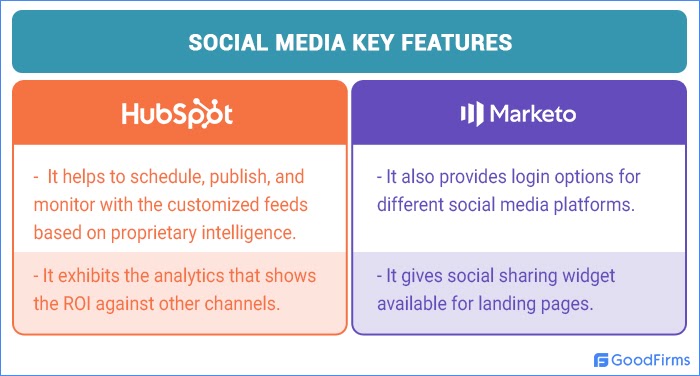
Beyond the financial drain, there is the risk of technical misalignment. A specialized agency understands how to integrate marketing automation platforms like HubSpot or Marketo with your CRM and product analytics tools.
They know how to set up server-side tracking to bypass cookie restrictions and accurately attribute a lead from a whitepaper download to an eventual subscription purchase. Generalist firms often rely on basic Google Analytics setups that fail to track the complex, multi-touch attribution paths common in SaaS.
When you choose a partner, demand to see case studies specifically involving your tech stack and conversion funnel. If they cannot explain how they optimize for bottom-of-funnel conversion rather than just top-of-funnel awareness, they are not equipped to handle the nuances of a SaaS business model.
Frequently Asked Questions
Limitations of generalist agencies in SaaS environments
SaaS marketing requires a deep understanding of product-led growth (PLG), churn metrics, and long-tail B2B sales cycles. Generalist agencies typically focus on top-of-funnel traffic rather than the technical nuances of user onboarding and trial-to-paid conversion rates.
Essential attributes of specialized SaaS marketing partners
Look for agencies that provide case studies involving specific SaaS metrics like CAC (Customer Acquisition Cost), LTV (Lifetime Value), and MRR (Monthly Recurring Revenue) growth, rather than just vanity metrics like social media impressions. You might also want to learn why cheapest digital marketing agency for saas is often a trap for growing companies.


