



Data integrity and audience segmentation capabilities
Effective account based marketing linkedin strategy relies on the precision of your target list. A service provider must demonstrate that their data sourcing methods prioritize accuracy over volume.
Demand a clear breakdown of how they validate contact information. Specifically, confirm whether they rely on static, outdated databases or real-time API verification tools like Clearbit or ZoomInfo to ensure high deliverability rates.
Verification of first-party data integration
The most successful campaigns leverage your existing CRM data, such as Salesforce or HubSpot, to create custom audiences. A competent provider must offer a secure, encrypted pipeline for this data transfer.
Ask for their specific protocol regarding PII (Personally Identifiable Information) masking before the data hits the LinkedIn Campaign Manager. They should explain how they handle data hygiene specifically, how they identify and remove duplicate entries or inactive leads before launching a campaign to avoid wasted ad spend.
Technographic and firmographic filtering precision
Basic targeting by job title often leads to significant budget leakage. A sophisticated provider will utilize technographic data to identify companies based on the software stack they currently use, such as identifying firms that already utilize specific cloud infrastructure or CRM platforms.
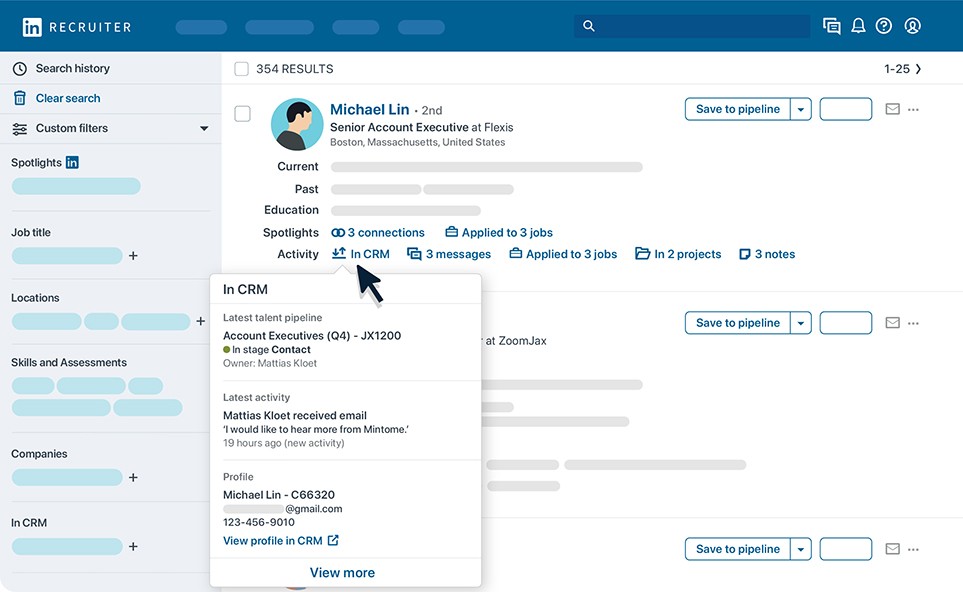
This allows you to tailor your messaging to pain points relevant to their current tech environment. Furthermore, evaluate their ability to layer firmographic filters like annual revenue, employee growth rate, and specific industry sub-sectors. If a provider cannot demonstrate how they combine these data points to build a high-intent audience, they are likely relying on broad, inefficient targeting.
Content personalization at scale for LinkedIn account based marketing
Effective account-based marketing (ABM) on LinkedIn relies on moving beyond generic messaging to address the specific pain points of stakeholders within a target account. When vetting service providers, assess their ability to deploy dynamic content that aligns with the buyer’s journey stage.
A high-performing digital marketing agency for saas companies should demonstrate how they map content assets—such as white papers, case studies, or video testimonials—to specific job functions within a buying committee, rather than relying on a one-size-fits-all approach.
Ask providers to show examples of how they utilize LinkedIn’s Matched Audiences to segment content delivery. The goal is to ensure that a CTO sees technical infrastructure insights while a CFO receives content focused on ROI and operational efficiency. If a provider cannot explain their process for mapping content to these distinct personas, they are likely running broad-reach campaigns disguised as ABM.
Creative asset production workflows
The speed at which a provider can iterate on ad creative is a primary indicator of their operational maturity. High-value accounts often require bespoke imagery or messaging that reflects the target company’s branding or specific industry challenges.
During your vetting process, request a breakdown of their creative production cycle. A robust workflow should include:
- Template modularity: The use of design systems that allow for rapid swapping of headlines, logos, and value propositions without requiring a complete redesign for every new account.
- Feedback loops: A defined process for incorporating your internal subject matter experts’ feedback into ad copy to ensure technical accuracy.
- A/B testing cadence: A documented schedule for testing variations of creative assets—such as static images versus short-form video—to determine which formats drive higher engagement from your specific target accounts.
Avoid providers who outsource creative work to generalist freelancers without a clear strategy for maintaining brand consistency. The most effective partners integrate your brand guidelines into their workflow, ensuring that every piece of personalized content feels native to your organization.
Attribution modeling and reporting transparency
Effective best web3 marketing courses and books provide the foundational knowledge required for moving beyond vanity metrics like impressions or clicks. A professional service provider must demonstrate how their campaigns map to your specific revenue lifecycle.
You should demand a clear explanation of their attribution model—specifically whether they use first-touch, last-touch, or multi-touch attribution to credit LinkedIn interactions. If a provider cannot explain how they weigh a LinkedIn ad engagement against a whitepaper download or a demo request, their reporting will likely obscure the actual ROI.
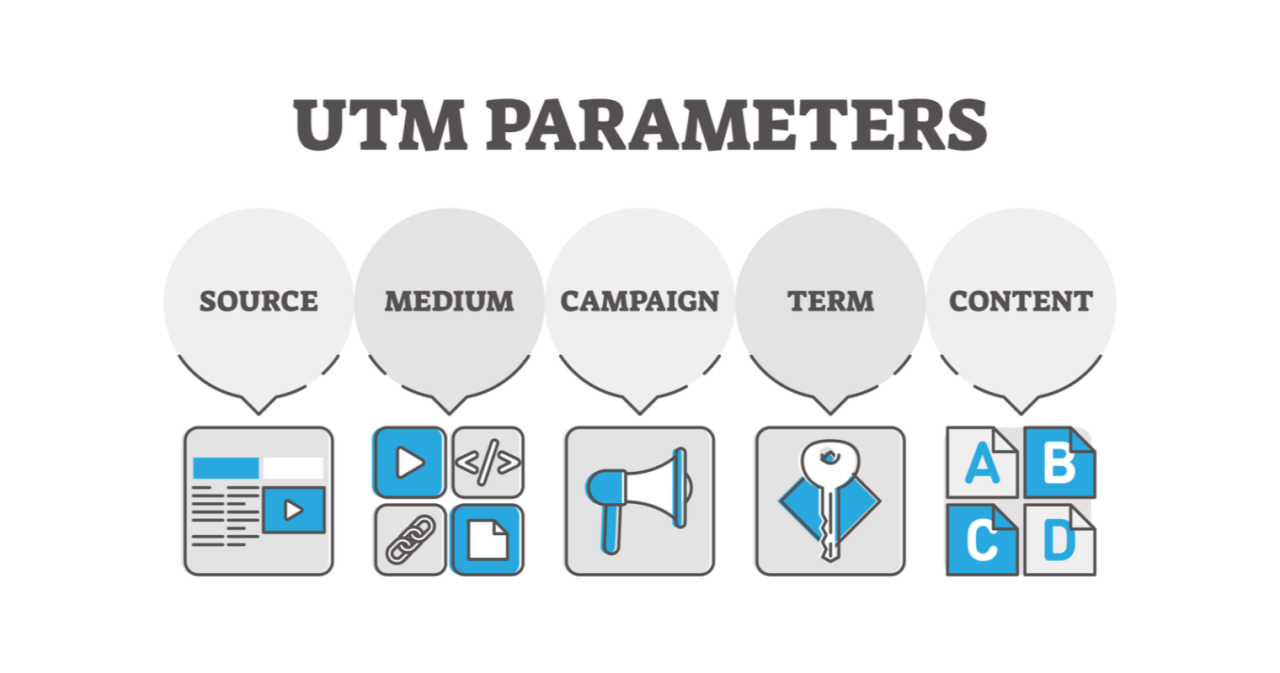
Look for agencies that utilize UTM parameters consistently and integrate directly with your marketing automation platform or CRM to ensure data integrity.
Pipeline influence tracking
Linking LinkedIn engagement data directly to CRM-based revenue stages is the gold standard for proving ABM effectiveness. Your provider should be able to show you a report that tracks a target account from the initial awareness stage—such as a Sponsored Content view—through to the opportunity creation stage in Salesforce or HubSpot.
Ask potential partners to provide a sample report that demonstrates the following:
- Account-level matching: How they verify that the individuals engaging with ads belong to your high-priority target accounts.
- Stage progression: Evidence of how LinkedIn touchpoints correlate with the movement of an account from ‘Prospect’ to ‘Qualified Opportunity.’
- Influenced revenue: A breakdown of closed-won deals where LinkedIn interactions occurred at any point during the sales cycle, rather than just claiming credit for the final click.
Transparency in reporting also means providing access to raw data exports. Avoid providers that only offer high-level PDF summaries. You need the ability to audit the underlying data to verify that the LinkedIn engagement is actually coming from the decision-makers within your target accounts.
Technical stack and platform expertise
A high-performing saas digital marketing agency approach relies on more than just ad spend; it requires a sophisticated technical infrastructure. When vetting providers, assess whether they utilize LinkedIn’s Campaign Manager alongside third-party data enrichment tools like 6sense, Demandbase, or ZoomInfo.
An agency that lacks proficiency in these platforms often relies on broad targeting, which leads to wasted budget and irrelevant impressions. Ask prospective partners to demonstrate their workflow for audience segmentation. They should be able to explain how they map your target account list (TAL) to LinkedIn’s Matched Audiences feature.
A provider should also be comfortable managing LinkedIn’s Insight Tag and conversion tracking pixels to ensure that every click is attributed correctly within your CRM.
Integration with sales enablement tools
The true value of account based marketing lies in the alignment between marketing signals and sales action. Your agency must demonstrate a clear process for bridging the gap between LinkedIn campaign data and your sales enablement platform, such as Outreach, Salesloft, or HubSpot Sales Hub.
Effective integration follows a specific technical flow:
- Data Sync: The agency should automate the push of engagement data from LinkedIn back into your CRM. This ensures that when a target account engages with an ad, the sales representative receives a real-time notification or a task update.
- Intent Signal Mapping: If the agency uses intent data providers, they must show how they translate this data into actionable LinkedIn ad triggers. For example, if a target account shows increased research activity on your website, the agency should automatically shift that account into a high-priority retargeting segment on LinkedIn.
- Feedback Loop: A professional agency will establish a bi-directional feedback loop. They should request data from your sales team regarding lead quality and conversation outcomes to refine the targeting parameters.
Verify that the agency has experience with API-level integrations rather than relying solely on manual CSV uploads. Manual processes are prone to human error and latency, which defeats the purpose of real-time account targeting.
Budget allocation and bidding strategies
Effective internet capital markets strategies require a departure from traditional lead-generation budgeting. Instead of focusing on broad reach or low-cost clicks, resources must be concentrated on high-value target accounts.
A common pitfall is spreading a budget too thin across too many accounts; instead, allocate at least 60% of your campaign spend toward your Tier-1 accounts—those with the highest lifetime value and propensity to convert. When setting up your bidding strategy, prioritize “Maximum Delivery” only if you have a highly refined audience segment.
For most ABM campaigns, “Manual Bidding” provides better control over your cost-per-impression (CPM) for specific job titles or seniority levels within your target list. By bidding higher for decision-makers—such as VPs of Engineering or CTOs—you ensure your sponsored content remains visible to the individuals who actually sign contracts.
Cost-per-account vs cost-per-lead models
Comparing pricing structures is vital to ensure your agency or internal team stays aligned with long-term sales cycles. A cost-per-lead (CPL) model often encourages volume over quality, which is counterproductive in an ABM strategy where you may only need to engage five specific stakeholders at a single enterprise client.
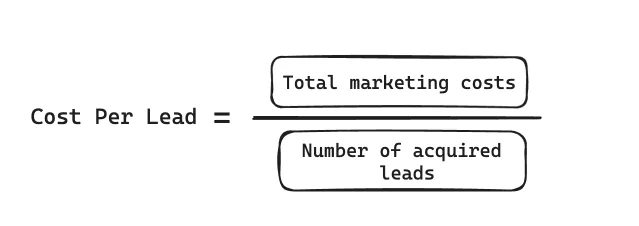
Conversely, a cost-per-account (CPAc) model shifts the focus toward engagement depth. Under this structure, success is measured by the percentage of target accounts that have interacted with your brand, visited your landing page, or engaged with your white papers.
When vetting providers, look for those who report on “Account Penetration” rather than just total form fills. This model forces the service provider to optimize for the quality of the contact, ensuring that your budget is spent on warming up the specific buying committee identified in your CRM.
Communication cadence and strategic alignment
Effective account-based marketing (ABM) on LinkedIn requires a tight feedback loop between the agency and the internal sales team. A provider that operates in a silo, merely delivering monthly campaign reports, will fail to capture the nuances of high-value account engagement.
You should demand a communication structure that prioritizes real-time lead intelligence over vanity metrics like impressions or clicks. Establish a weekly sync that focuses on account-level engagement rather than broad campaign performance.
During these sessions, the provider should present specific insights on which stakeholders within your target accounts are interacting with sponsored content or InMail campaigns. This allows your sales team to time their outreach effectively, ensuring that the LinkedIn activity aligns with existing sales cycles.
Quarterly business review expectations
The Quarterly Business Review (QBR) serves as the primary mechanism for auditing the long-term efficacy of your LinkedIn account based marketing strategy. A professional service provider must deliver a comprehensive data set that maps LinkedIn engagement back to your CRM pipeline.
During this review, expect the agency to present a clear breakdown of account penetration, identifying which target organizations have moved from ‘cold’ to ‘engaged’ status. Use these reviews to force iterative strategy adjustments.
If a specific vertical or job title is not responding to the current creative assets, the QBR should include a data-backed proposal for a pivot. Demand that the provider answers the following during these sessions:
- What percentage of target accounts showed increased engagement compared to the previous quarter?
- Which specific content formats triggered the highest conversion rates among decision-makers?
- How did the cost-per-qualified-account (CPQA) trend over the last 90 days?
- What adjustments are being made to the audience exclusion lists to prevent wasted ad spend on unqualified leads?
If a provider cannot correlate their LinkedIn activity to pipeline movement or account progression, they are likely managing your budget as a general lead-gen campaign rather than a true ABM initiative.
Risk mitigation and compliance standards
Engaging an external agency for LinkedIn account based marketing requires strict adherence to data privacy regulations, specifically GDPR, CCPA, and LinkedIn’s own platform policies. Failure to vet a provider’s compliance framework can lead to account suspension or significant legal liabilities for your organization.
Before signing a contract, demand a detailed breakdown of how the provider manages audience segmentation and third-party data integration.
Data handling and security protocols
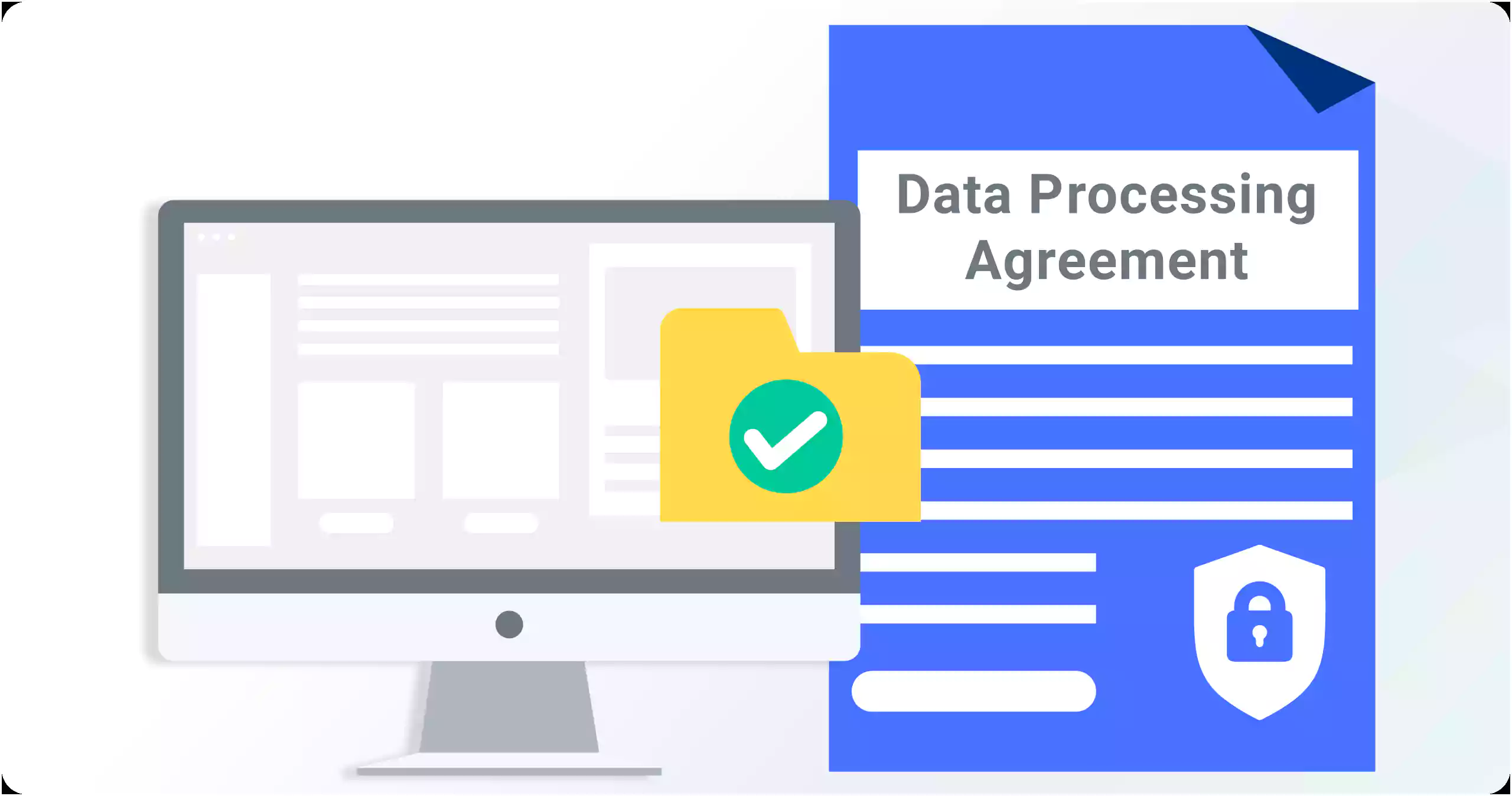
Your firm’s target account lists are proprietary assets. When you share these lists with a service provider, you must ensure they operate within a secure, encrypted environment. A reputable agency should provide a clear Data Processing Agreement (DPA) that outlines exactly where your data is stored and who has access to it.
Key security checkpoints to verify include:
- Data Encryption: Confirm that all account lists uploaded to the provider’s management platform are encrypted both at rest and in transit using industry-standard protocols like AES-256.
- Access Controls: Ask for proof of Role-Based Access Control (RBAC). Only the specific campaign managers assigned to your account should have visibility into your target list, not the entire agency staff.
- Platform Compliance: Ensure the agency uses LinkedIn’s official Matched Audiences API rather than unauthorized scraping tools. Scraping violates LinkedIn’s Terms of Service and puts your corporate domain at risk of a permanent ban from the platform.
- Data Deletion Policies: Establish a clear timeline for when your data will be purged from the provider’s systems after the contract concludes or the campaign ends.
Beyond technical security, evaluate the provider’s internal training programs. Agencies that prioritize compliance often conduct regular audits of their staff’s handling of sensitive client information. If a provider cannot provide a SOC 2 Type II report or equivalent documentation regarding their internal security controls, treat this as a red flag.
Case study validation and industry relevance
Before finalizing a contract, demand two anonymized or public case studies that mirror your specific industry and deal size. Generic success stories often mask poor performance in complex B2B sales cycles.
Look for metrics beyond vanity engagement, such as qualified pipeline contribution, cost per lead (CPL) for target accounts, and the specific LinkedIn account based marketing strategies employed to nurture high-value stakeholders. Verify if the agency understands your specific buyer persona’s pain points.
A provider that relies solely on automated InMail blasts without a nuanced content strategy will likely damage your brand reputation. True industry relevance is demonstrated when an agency can articulate how they align LinkedIn’s Sales Navigator data with your existing CRM workflows to track attribution accurately.
Essential inquiries for reference checks
When speaking with an agency’s past or current clients, move past general satisfaction ratings. Use these specific inquiries to uncover the operational reality of their service:
- Attribution methodology: How exactly did the agency prove that the LinkedIn campaign influenced the closed-won deal rather than organic search or direct traffic?
- Account-level reporting: Can you describe the granularity of the reports? Do they show engagement at the individual decision-maker level within your target accounts?
- Communication cadence: How often did the team pivot strategy based on real-time campaign performance data?
- Content integration: Did the agency provide creative assets, or did they require your internal team to produce all collateral?
- Unexpected hurdles: What was the most significant challenge you faced during the onboarding or execution phase, and how did the agency resolve it?
If a reference is hesitant to discuss specific outcomes or mentions that the agency was ‘hands-off,’ treat this as a red flag. Effective LinkedIn account based marketing requires a tight feedback loop between the agency’s campaign managers and your internal sales development representatives (SDRs).
Frequently Asked Questions
Primary indicators of a high-quality LinkedIn account based marketing provider
A high-quality provider prioritizes account-level engagement data over simple click-through rates. They should demonstrate how they map specific decision-makers within your target accounts to personalized content streams.
Methods for verifying agency account based marketing authenticity
Ask for a sample campaign report that shows engagement metrics specifically for your target account list, rather than broad demographic performance. If they cannot isolate performance by account, they are likely running standard lead generation, not true account based marketing.


