



The evolution of B2B marketing and the necessity of foundational ABM
B2B marketing is undergoing a structural shift as buyers increasingly bypass traditional sales funnels in favor of self-directed research. Mastering account based marketing linkedin foundations provides the necessary framework to navigate this transition by prioritizing high-value accounts over broad, low-intent lead generation.
Core principles of LinkedIn learning account based marketing foundations
The core of this methodology lies in shifting focus from volume to precision. By treating individual accounts as distinct markets, organizations can tailor their outreach to address specific pain points, significantly increasing conversion probabilities.
Key modules and learning outcomes
Learners typically master three critical pillars: identifying high-propensity target accounts, crafting personalized messaging that resonates with decision-making units, and establishing rigorous sales-marketing alignment. These skills ensure that resources are concentrated on accounts with the highest lifetime value potential.
Distinguishing foundational ABM from traditional lead generation
Traditional lead generation often relies on casting a wide net to capture contact information, regardless of account fit. In contrast, foundational ABM reverses this process by identifying the ideal customer profile (ICP) first, then deploying targeted content to engage key stakeholders within those specific organizations.
Adapting foundational ABM to modern B2B buyer journeys
Today’s buyers engage across multiple touchpoints before ever speaking to a sales representative. Foundational ABM must evolve to meet these prospects where they are, utilizing digital marketing channels to provide value throughout the entire research phase.
Leveraging digital channels for account engagement
Marketers now utilize LinkedIn’s native targeting tools, such as Matched Audiences, to serve content specifically to employees of target accounts. This ensures that the message is seen by the right people at the right time, rather than being lost in a generic feed.
Data-driven personalization at scale
Advanced analytics allow teams to move beyond basic firmographics. By integrating intent data, companies can personalize content based on the specific topics an account is currently researching, ensuring relevance without manual intervention for every single prospect.
Integrating new technologies with ABM foundations for enhanced roi
Emerging technologies act as force multipliers for ABM strategies. When combined with foundational principles, AI and intent data platforms allow for more efficient resource allocation and clearer performance tracking.
AI’s role in account identification and content personalization
Artificial intelligence tools, such as predictive lead scoring models, help identify which accounts are most likely to convert. AI also assists in generating personalized content variations, allowing marketers to scale their efforts without sacrificing the quality of the engagement.
Measuring ABM success beyond traditional metrics
Success in ABM is rarely measured by lead volume alone. Instead, teams focus on account-level engagement, pipeline velocity, and deal size. These metrics provide a more accurate reflection of the strategy’s impact on long-term revenue growth.
Implementation strategies for modern ABM initiatives
The primary barrier to ABM success is often internal, not external. Data silos and misaligned incentives between sales and marketing teams frequently derail even the most well-planned initiatives.
Bridging sales and marketing alignment gaps
Successful execution requires a shared definition of success. By establishing service-level agreements (SLAs) that define lead quality and follow-up expectations, teams can foster a collaborative environment where both departments work toward the same revenue goals.
Practical application: The 1:1 vs. 1:Few approach
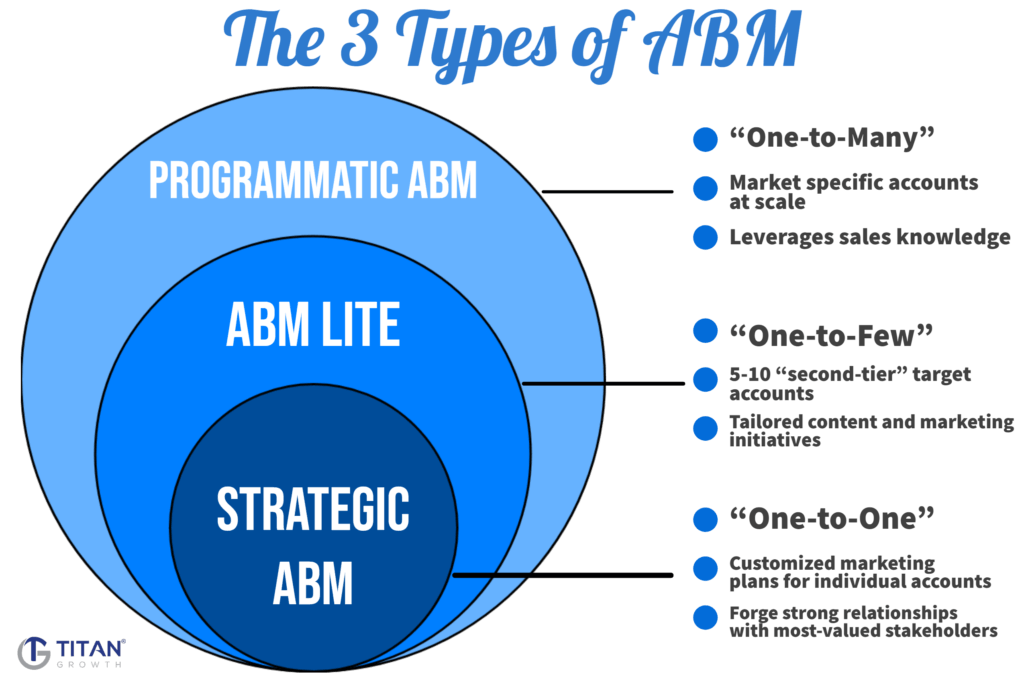
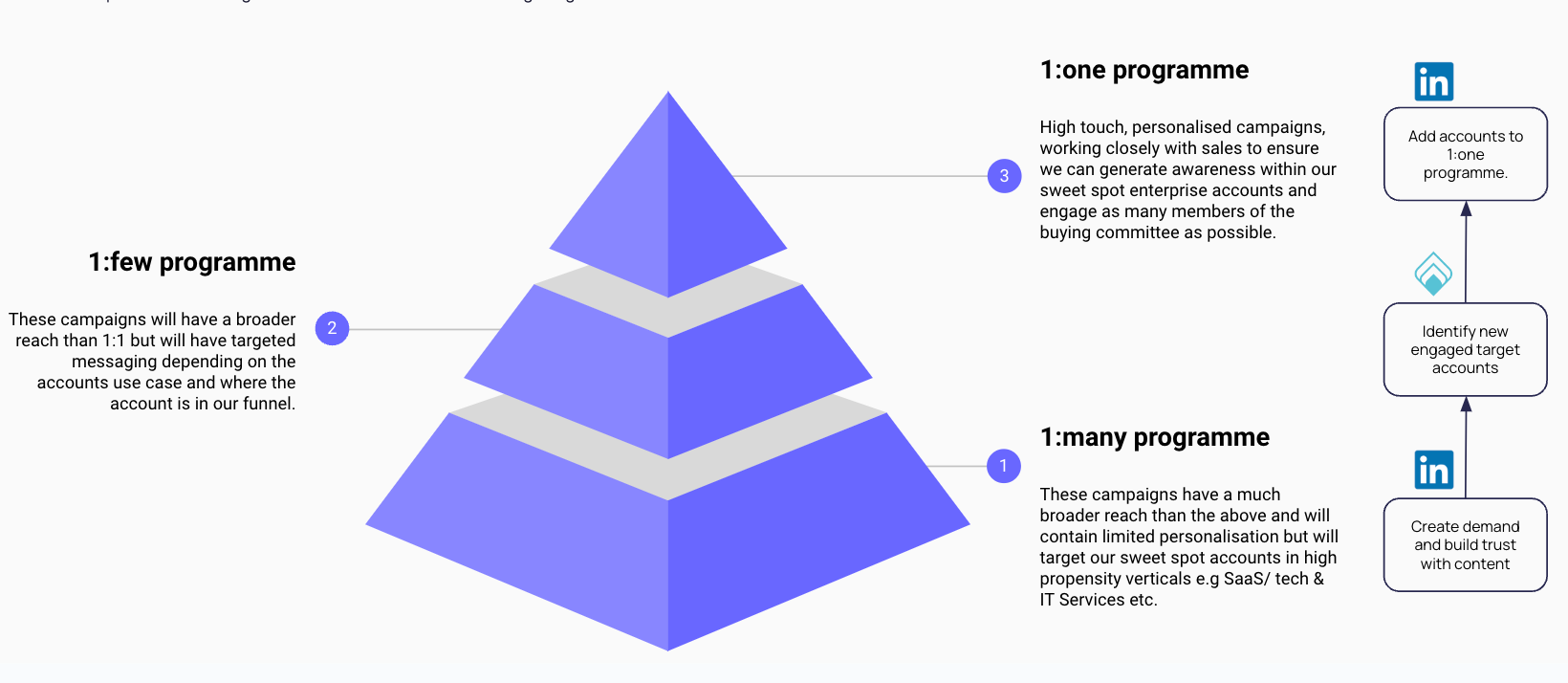
When applying these foundations, marketers must choose the right scale. A 1:1 approach involves highly customized content for a single high-value account, often used for enterprise deals. Conversely, a 1:Few approach targets a cluster of accounts with similar industry challenges, allowing for efficient content production while maintaining high relevance.
Continuous learning beyond the foundations
The B2B landscape changes rapidly, and foundational knowledge is only the starting point. Marketers must commit to ongoing skill development, staying updated on new platform features and evolving buyer behaviors to maintain a competitive advantage.
Advanced Tactics for Scaling ABM Programs
Once the basics are established, scaling requires a transition from manual processes to automated workflows. For instance, integrating your CRM with LinkedIn’s API allows for real-time audience updates, ensuring that as soon as a prospect moves into a ‘qualified’ stage in your pipeline, they are automatically added to a specific LinkedIn ad campaign. This creates a seamless transition between marketing touchpoints and sales outreach, reducing the friction that often causes prospects to drop off during the consideration phase.
The enduring value of foundational ABM in a future-forward market
While tools and tactics will continue to evolve, the core principles of linkedin account based marketing remain a robust framework for B2B success. By grounding their strategy in these fundamentals, marketers can build resilient, high-performing programs that deliver measurable results in any market condition.
Frequently Asked Questions
Differences between LinkedIn ABM and traditional lead generation
Traditional lead generation focuses on volume and capturing as many contacts as possible. LinkedIn ABM focuses on precision, targeting specific high-value accounts with personalized content meant for decision-makers.
Premium account requirements for ABM campaigns
No, you do not need a personal LinkedIn Premium account. You need a LinkedIn Campaign Manager account and access to LinkedIn Marketing Solutions to run paid ABM campaigns.
Essential tools for linkedin account based marketing
Key tools include LinkedIn Campaign Manager for ad delivery, LinkedIn Sales Navigator for account research, and CRM platforms like Salesforce or HubSpot for tracking engagement.
Methods for identifying target accounts for LinkedIn ABM
Identify target accounts by analyzing your existing customer base for common firmographics, revenue size, and industry fit, then use LinkedIn’s account targeting features to reach them.
SaaS applications for LinkedIn ABM lead nurturing
Yes, SaaS companies use ABM to nurture accounts by serving relevant case studies, white papers, and product updates to specific stakeholders throughout the buying cycle.
Core components of LinkedIn marketing
LinkedIn marketing is the practice of using the LinkedIn platform to build brand awareness, generate leads, and engage professional audiences through organic content and paid advertising. If you are looking for a b2b technology marketing agency to help scale your efforts, ensure they understand these nuances.


