



Core components of real estate tokenization frameworks
Real estate tokenization frameworks provide the technical and legal infrastructure necessary to convert physical property interests into digital security tokens. These frameworks ensure that on-chain ownership remains tethered to real-world legal rights, enabling fractionalized investment and automated compliance.
Legal and jurisdictional compliance layers
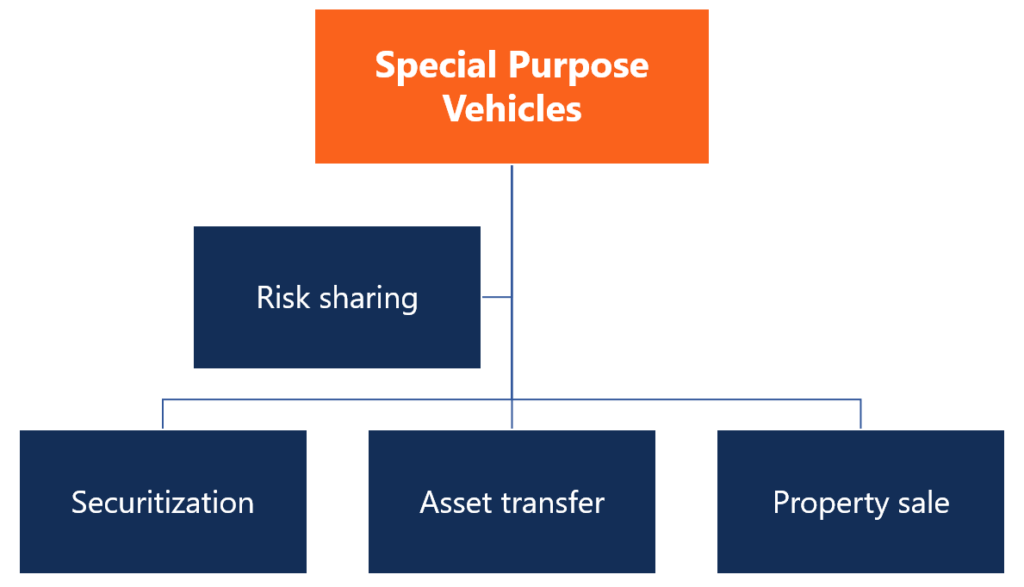
Successful tokenization requires aligning digital assets with existing securities laws, such as the SEC’s Regulation D or Regulation S in the United States. Issuers must establish a legal wrapper—typically a Special Purpose Vehicle (SPV)—that holds the property title and issues tokens representing economic interest in that entity. This structure ensures that token holders possess legally enforceable claims to dividends and capital appreciation.
Smart contract architecture for property rights
The smart contract serves as the digital ledger for ownership, utilizing standards like ERC-3643 or ERC-20 with built-in transfer restrictions. These contracts must programmatically enforce KYC/AML checks before any token transfer occurs. By embedding compliance logic directly into the token contract, issuers prevent unauthorized trading and maintain a clean cap table.
Selecting the appropriate blockchain infrastructure
Choosing a ledger depends on the balance between decentralization and regulatory control. Institutional-grade projects often favor permissioned or hybrid blockchains like Polygon, Avalanche Subnets, or private Ethereum forks to ensure high throughput and low latency.
Performance metrics for institutional-grade chains
Transaction finality is the most critical metric for real estate. Unlike retail DeFi, property transactions require deterministic finality to ensure that ownership changes cannot be reversed. Platforms must support at least 2,000 transactions per second (TPS) and sub-second block times to handle high-volume secondary market activity without congestion.

Structuring the special purpose vehicle for tokenization
The SPV acts as the bridge between the physical asset and the blockchain. By placing the property under a limited liability company (LLC) or a trust, the tokenization framework isolates the asset from the issuer’s balance sheet. This separation protects investors from the issuer’s potential bankruptcy and provides a clear mechanism for distributing rental income as stablecoins to token holders.
Technical integration of real estate tokenization frameworks
Deployment follows a rigorous sequence: asset appraisal, legal entity formation, smart contract auditing, and finally, token minting. Each stage must be documented to satisfy regulatory audits and ensure the digital token accurately reflects the underlying asset’s value.
Oracle implementation for property valuation data
Oracles like Chainlink are essential for feeding real-world appraisal data into the smart contract. These decentralized networks pull verified data from third-party auditors to update the net asset value (NAV) of the property, ensuring that the token price remains anchored to the physical valuation.
On-chain identity verification protocols
Tokenization requires strict adherence to identity standards. Protocols such as Polygon ID or private identity layers allow investors to prove their accreditation status without exposing sensitive personal data on the public ledger. This zero-knowledge approach satisfies privacy regulations while maintaining full compliance with anti-money laundering requirements.
Liquidity management and secondary market design
Market stability depends on the integration of automated market makers (AMMs) or order-book exchanges that support restricted tokens. Issuers must implement liquidity pools that only allow verified, KYC-cleared addresses to participate, preventing illegal secondary market activity.
Risk mitigation and security auditing procedures
Security is the primary barrier to institutional adoption. Common failure points include smart contract bugs, oracle manipulation, and improper custody of private keys. Comprehensive risk management requires multi-signature wallets for treasury management and cold storage for the underlying property deeds.
Smart contract audit checklists
- Re-entrancy protection for all minting and transfer functions.
- Access control verification to ensure only authorized admins can pause or update contracts.
- Overflow and underflow checks for fractional token calculations.
- Gas optimization to ensure transaction costs do not prohibit small-scale trades.
Operational maintenance of tokenized property portfolios
Post-issuance management involves distributing rental dividends, managing voting rights for property improvements, and updating the cap table. These tasks are automated via smart contracts, which trigger payments to token holders based on their pro-rata ownership at the time of distribution.
Interoperability and Cross-Chain Considerations
As the ecosystem matures, real estate tokenization frameworks must address cross-chain interoperability. Institutional assets often reside on private chains, but investors may prefer to hold or trade tokens on public networks for liquidity. Utilizing cross-chain messaging protocols like CCIP allows for the secure transfer of ownership records between a permissioned ledger and a public exchange without compromising the integrity of the underlying legal claim.
Governance and Voting Mechanisms
Advanced frameworks now incorporate on-chain governance to allow token holders to vote on property management decisions. By utilizing DAO-style voting modules, investors can participate in decisions regarding capital expenditures, such as building renovations or lease renewals. This increases transparency and aligns the interests of the property manager with the token holders, creating a more democratic investment environment for institutional-grade assets.

Taxation and Reporting for Tokenized Assets
Tokenized real estate introduces unique tax reporting requirements. Because tokens represent fractional ownership, issuers must generate automated tax forms (such as 1099-DIV or K-1 equivalents) for investors. Advanced frameworks integrate with tax-reporting APIs like TaxBit or ZenLedger to provide real-time tax documentation, ensuring that investors can accurately report capital gains and dividend income to tax authorities without manual reconciliation.
Data Privacy and Confidentiality in Tokenized Real Estate
Institutional investors often require confidentiality regarding their holdings. While public blockchains offer transparency, they can expose sensitive transaction patterns. Advanced frameworks now utilize privacy-preserving technologies like zk-SNARKs (Zero-Knowledge Succinct Non-Interactive Arguments of Knowledge). These allow for the verification of transaction validity—such as confirming an investor is accredited or that a transfer complies with lock-up periods—without revealing the specific identity of the wallet owner or the exact transaction volume to the public. This balance between on-chain auditability and off-chain privacy is a critical requirement for large-scale institutional adoption.
Future-proofing against regulatory shifts
Regulatory environments are shifting toward stricter oversight of digital securities. Frameworks must be modular, allowing for the update of compliance logic without migrating the entire token supply. Maintaining a direct line of communication with local financial regulators is the most effective strategy for ensuring long-term project viability.
Frequently Asked Questions
Legal status of real estate tokenization
Yes, it is legal when structured as a regulated security. Issuers must comply with local securities laws, such as SEC regulations in the U.S., by registering the offering or qualifying for exemptions.
Fractional ownership mechanics on the blockchain
Fractional ownership is achieved by issuing digital tokens that represent a specific percentage of equity in an SPV, which holds the physical property title. Smart contracts track these ownership percentages and automate dividend distributions.
Primary risk factors for tokenized real estate
Primary risks include smart contract vulnerabilities, regulatory changes, liquidity constraints in secondary markets, and the potential for the underlying physical asset to lose value.
Secondary market liquidity for tokenized assets
Yes, provided the secondary market platform is compliant and supports the specific token standard used. Most platforms require secondary buyers to pass the same KYC/AML checks as initial investors.
Minimum investment thresholds for tokenized property
The minimum investment is determined by the issuer and can be as low as $100, significantly lower than traditional real estate entry barriers, depending on the specific offering’s terms.


