



Shift toward modular design systems: best ux design companies
In volatile markets, the best ux design companies have moved away from delivering static, pixel-perfect mockups in favor of living, modular design systems. This shift allows product teams to maintain brand consistency while responding to sudden shifts in user behavior or competitive landscapes.
Agencies that prioritize modularity provide a structural foundation that reduces technical debt. This ensures that UI components remain functional across various screen sizes and device types without requiring a complete redesign for every iteration.
Scalability through atomic design
Agencies that prioritize design tokens over static mockups provide higher utility for rapid product iteration because they treat the interface as a collection of reusable building blocks rather than isolated screens. By implementing an atomic design methodology—breaking interfaces down into atoms, molecules, and organisms—these firms enable developers to pull from a centralized library of verified components.
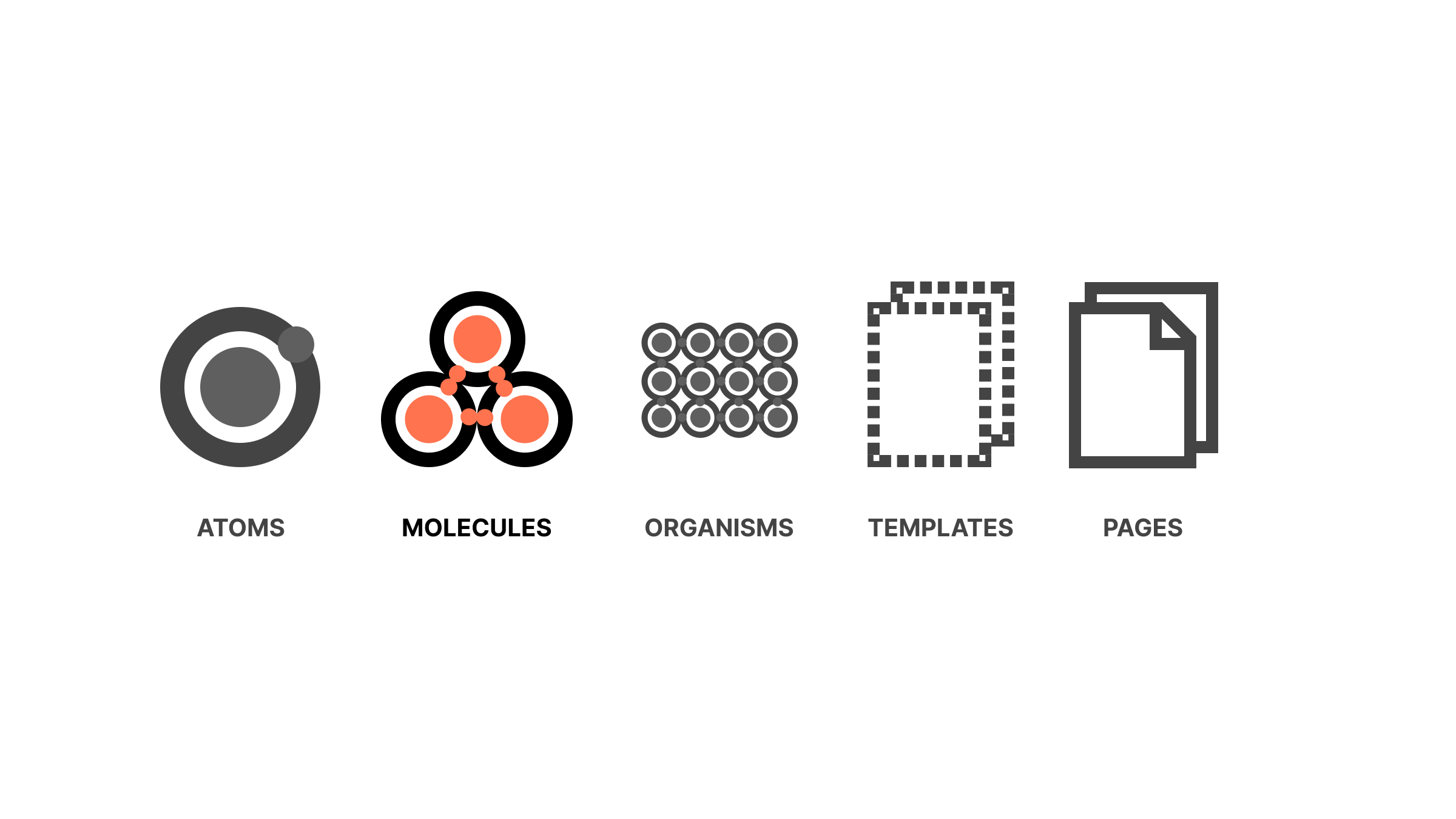
This approach significantly accelerates the development lifecycle, as changes made to a single token, such as a primary brand color or a button border radius, propagate instantly across the entire application.
When evaluating potential partners, look for teams that utilize tools like Figma’s Variables or Storybook to document these systems. A firm that delivers a static PDF or a flat image file is often ill-equipped to handle the agility required in modern crypto or fintech environments.
Instead, prioritize agencies that provide a documented design system repository. This ensures that your internal engineering team can integrate these elements directly into the codebase, minimizing the friction between design intent and functional implementation. This modularity acts as a hedge against market volatility, allowing your product to pivot its feature set without compromising the integrity of the core user experience.
Integration of behavioral data in design workflows
The best ux design firms distinguish themselves by moving beyond aesthetic preferences to prioritize empirical evidence. In volatile markets, where user behavior shifts rapidly due to economic uncertainty or changing platform trends, relying on intuition is a liability.
Top-tier agencies embed data analytics directly into their design lifecycle, ensuring that every interface adjustment is backed by observable user interactions rather than subjective opinions.
Effective integration requires a continuous feedback loop. Agencies should demonstrate how they synthesize raw event data from tools like Mixpanel or Amplitude with qualitative user research. This dual-pronged approach allows designers to identify exactly where a user journey breaks down, whether it is a high drop-off rate on a checkout page or a lack of engagement with a specific feature set.
Quantitative validation methods
Assessing if an agency utilizes A/B testing and heatmaps to justify their design decisions is a critical step in your vetting process. A firm that claims to be data-driven must provide concrete examples of how they validate hypotheses before full-scale deployment.
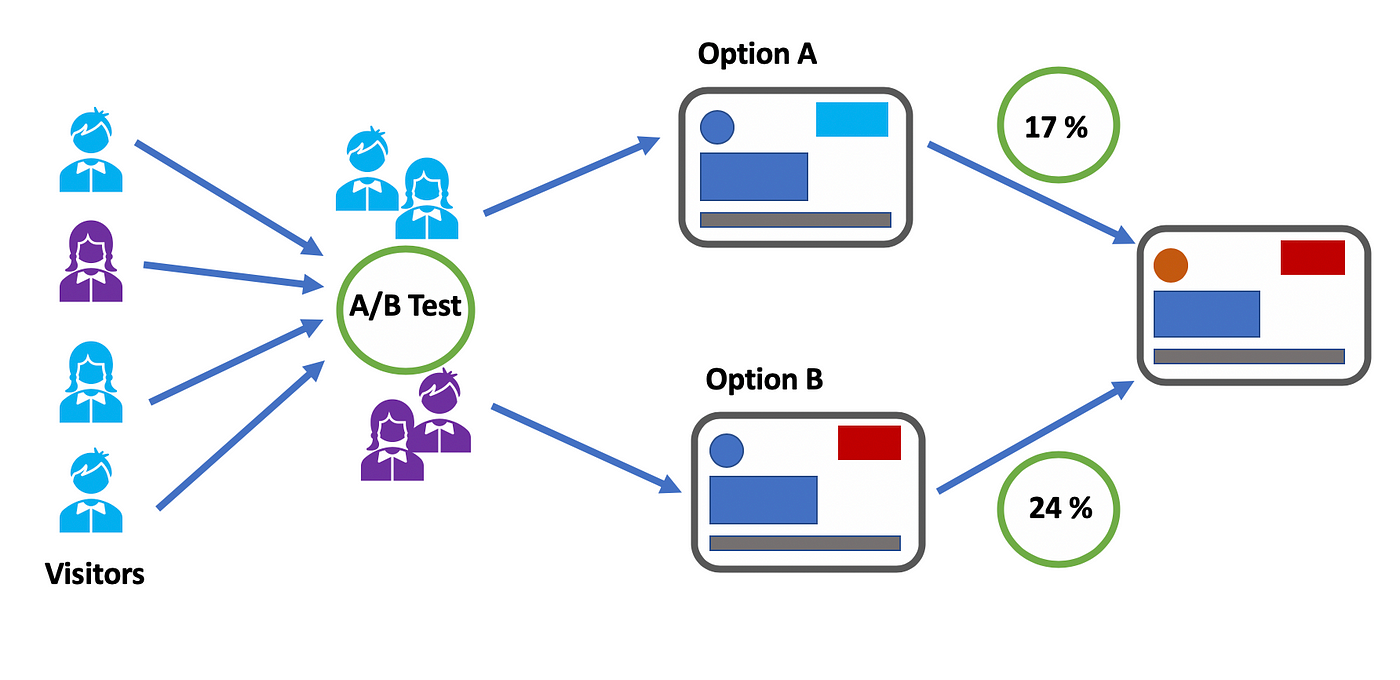
- A/B Testing Frameworks: Ask potential partners how they structure experiments. The best firms use rigorous statistical significance thresholds (typically p-values below 0.05) to determine if a design variation actually improves conversion rates. They should be able to explain their process for isolating variables, such as button color, copy placement, or navigation flow.
- Heatmap and Session Recording Analysis: Look for agencies that use tools like Hotjar or FullStory to visualize user friction. A heatmap is not just a visual aid; it is a diagnostic tool. If an agency cannot show you how they used scroll-depth maps or click-tracking to identify ‘dead clicks’—where users repeatedly tap non-interactive elements—they are likely designing based on guesswork.
- Cohort Analysis: In volatile markets, user retention is paramount. Agencies should demonstrate the ability to segment users into cohorts to see how different groups interact with new design iterations over time. This helps determine if a design change is universally beneficial or if it only serves a specific subset of your audience.
When interviewing candidates, request a case study that details a specific design failure that was corrected through quantitative testing. An agency that admits to a failed hypothesis and explains how data led them to the successful pivot is far more credible than one that claims every design decision was an immediate success.
Security-first interface architecture
In volatile crypto markets, the best ux design companies prioritize security-first architecture over aesthetic minimalism. A platform that looks sleek but lacks robust defensive UI patterns creates significant liability for both the developer and the user.
Professional design firms must implement multi-layered verification flows that force users to slow down during high-stakes interactions, such as smart contract security interactions or large-volume asset transfers.
Mitigating user error through friction points
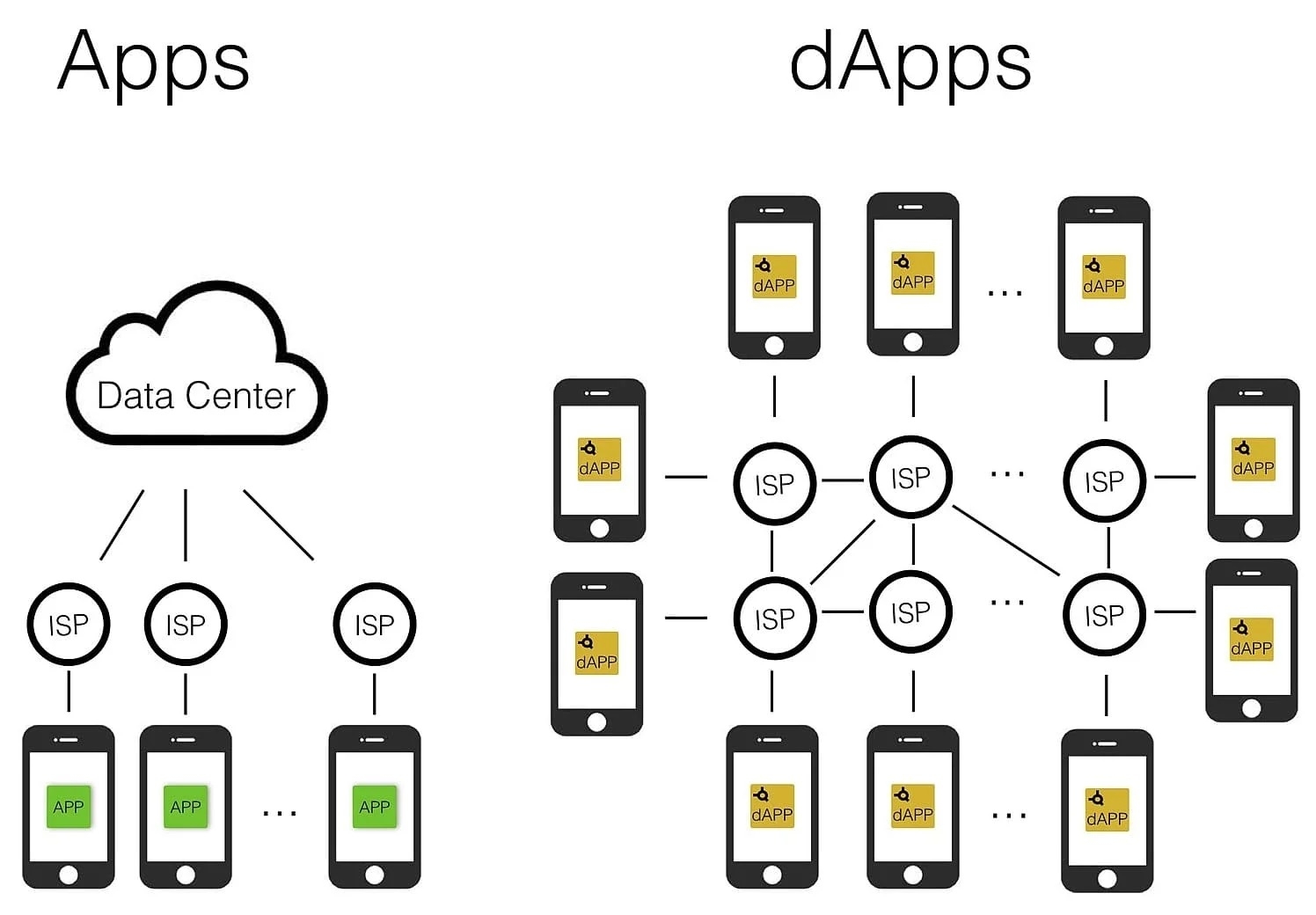
Intentional design hurdles act as critical safety buffers. While standard UX principles often advocate for reducing clicks, crypto-native design requires a departure from this norm. By introducing mandatory confirmation steps, the agency prevents catastrophic user errors like sending funds to the wrong address or interacting with malicious dApps.
Effective friction points include:
- Transaction Pre-flight Checks: Displaying a clear summary of the recipient’s wallet address, the specific token contract, and the estimated gas fees before the final signing prompt.
- Dynamic Delay Mechanisms: Implementing a mandatory waiting period for high-value withdrawals, allowing users to cancel if they realize they are under duress or have been compromised.
- Visual Contextual Alerts: Using high-contrast warning indicators when a user attempts to interact with a contract that has not been verified on block explorers like Etherscan.
These design choices shift the focus from speed to accuracy. A well-designed interface should act as a guardian, not just a gateway. When a user initiates a transaction, the UI must clearly distinguish between a standard swap and a high-risk contract approval.
By forcing the user to acknowledge the specific permissions being granted—such as ‘infinite spend’ limits—the design effectively mitigates the risk of wallet drainers. Designers who ignore these protective measures fail to serve the primary needs of the volatile market, where a single mistake is often irreversible.
Cross-platform consistency requirements
In volatile market conditions, users demand seamless transitions between mobile, desktop, and tablet interfaces. The best ux design companies prioritize a unified design language that maintains brand identity while ensuring functional parity across diverse hardware.
Relying on inconsistent design systems often leads to increased churn rates, as users struggle to relearn navigation patterns when switching devices.
Responsive design vs adaptive performance
When evaluating top-tier agencies, you must distinguish between responsive design and adaptive performance strategies. Responsive design relies on fluid grids and CSS media queries to reflow content dynamically, providing a flexible experience that adapts to any screen size.
This approach is generally more cost-effective for startups, as it requires maintaining a single codebase. However, it can sometimes lead to performance bottlenecks if heavy assets are served to low-bandwidth mobile devices.
Adaptive design, conversely, involves creating distinct layouts tailored to specific device categories. Agencies utilizing this method serve different HTML and CSS structures based on the detected user agent.
This often results in superior performance and faster load times, as the server only sends the assets necessary for the specific device. For high-stakes financial platforms or complex trading dashboards, the performance gains of an adaptive approach often outweigh the higher development overhead.
When vetting potential partners, ask for a breakdown of their technical stack. A firm that defaults to responsive frameworks for every project may lack the depth to handle high-performance requirements.
Look for agencies that provide clear documentation on how they handle breakpoints, touch-target optimization, and image compression for varying device constraints. The most capable designers will show you how they balance aesthetic fidelity with the harsh realities of mobile latency, ensuring that your core value proposition remains accessible regardless of the user’s hardware choice.
Transparency in design delivery cycles
In volatile crypto markets, the best ux design companies distinguish themselves by providing clear, predictable delivery timelines rather than vague promises. Agencies that operate with high transparency utilize agile project management tools such as Jira, Linear, or Trello, granting clients real-time visibility into the current sprint status.
This operational openness allows stakeholders to adjust product roadmaps immediately when market conditions shift, ensuring that design efforts remain aligned with shifting user acquisition goals or regulatory requirements.
A professional agency will provide a structured roadmap that breaks down complex UI/UX tasks into measurable milestones. Instead of delivering a monolithic final product, top-tier design firms provide iterative releases.
This approach allows for continuous feedback loops, reducing the risk of building features that no longer serve the user base due to sudden changes in market sentiment or token utility.
Documentation standards for handoff
Detailed design documentation serves as the primary indicator of a professional agency. When a project transitions from the design phase to the engineering team, the quality of the handoff determines the technical debt and implementation speed of the final product.
The design agencies year prioritize comprehensive design systems that include atomic design elements, clear typography scales, and interactive component states.
A high-quality handoff package should include:
- Design System Libraries: Shared Figma or Sketch libraries that ensure consistency across all product pages.
- Interaction Specs: Annotated prototypes that define motion, hover states, and error handling for complex blockchain interactions.
- Asset Export Guidelines: Clearly organized folders containing optimized SVG icons, vector assets, and responsive image variants.
- Implementation Notes: Specific documentation regarding edge cases, such as how the interface behaves during high network latency or failed wallet connection attempts.
Without these standards, developers often face ambiguity, leading to inconsistent implementations that degrade the user experience. By demanding these documentation artifacts, project leads ensure that the design integrity remains intact from the initial wireframe to the live deployment, regardless of how quickly the market environment changes.
Frequently Asked Questions
Primary factors for hiring a UX design agency
The most critical factor is the agency’s ability to integrate with your existing development stack and their proven track record of iterating based on user data rather than just aesthetic preferences. If you are a growing business, you should also review the top fintech companies to ensure your growth strategy aligns with your product design.
Verification methods for UX design firm expertise
Request case studies that specifically detail the problem-solving process, the metrics used to measure success, and how they handled pivot points during the project lifecycle. You can also consult our guide on user interface design services to standardize your vetting process. For those looking for specific technical benchmarks, our report on user interface design services india offers deep insights into delivery cycles.


