



Symptoms of misalignment in design partnerships
Ineffective user interface design agencies often reveal their shortcomings through rigid workflows and a failure to reconcile aesthetic vision with engineering reality. When a design agency prioritizes high-fidelity mockups over functional requirements, they create a disconnect that leads to project delays and ballooning development costs.
Identifying these red flags early prevents the common trap of investing in polished visuals that fail to perform under real-world conditions.
Lack of iterative prototyping
Professional design teams utilize low-fidelity wireframes to validate user flows and information architecture before committing to color palettes or typography. If a partner jumps straight into high-fidelity designs, they are likely skipping the critical validation phase.

This approach forces developers to interpret intent rather than following a tested blueprint, leading to expensive rework when the final product fails to meet user needs. A design process that lacks a clear feedback loop between wireframing and final rendering is a primary indicator of a team prioritizing speed over utility.
Disregard for technical constraints
A common failure point occurs when design firms produce assets that are technically impossible or prohibitively expensive to implement. For instance, a designer might propose complex, custom-coded animations that significantly degrade page load times or break on specific mobile viewports.
Competent design partners maintain a constant dialogue with the development team to understand the limitations of the tech stack, such as React component libraries or CSS performance budgets. If your design partner ignores technical feedback or refuses to adjust designs based on API limitations, they are failing to provide a viable product, regardless of how visually appealing their portfolio appears.
Evaluating the technical competency of user interface design companies
Technical proficiency in UI design extends beyond aesthetic output. Ineffective user interface design services often prioritize visual flair at the expense of structural integrity, leading to significant technical debt during the development phase.
To evaluate a firm’s true capability, you must look past their portfolio and examine their underlying methodology for building digital products.
Design system maturity assessment — Determining if the agency builds scalable component libraries or static mockups
A primary indicator of a low-tier design agency is the reliance on static, disconnected artboards. Professional firms utilize robust design systems that function as a single source of truth.
When vetting a partner, request access to their design system documentation. Look for evidence of atomic design principles, where base elements like buttons, inputs, and typography scales are defined as reusable components rather than isolated instances. If the agency cannot demonstrate how a change to a global style token propagates across the entire library, they are likely delivering static mockups that will be costly to maintain or scale.
Integration with development workflows — Assessing how the agency handles handoff tools like Figma, Zeplin, or Storybook
The transition from design software to code is where most projects encounter friction. High-performing b2b ux design agency partners treat the handoff process as a technical requirement rather than an afterthought.
Evaluate their workflow by asking how they structure their Figma files. A professional handoff should include organized auto-layout frames, clear naming conventions for layers, and documented states for interactive components. Furthermore, inquire if they utilize tools like Storybook to bridge the gap between design and front-end implementation.
Agencies that provide developers with production-ready assets—such as CSS variables, exported SVG icons, and clear documentation on component variants—significantly reduce the time-to-market for your application. If an agency suggests that developers simply ‘inspect’ their files without providing a structured design-to-code bridge, expect significant communication overhead and implementation errors.
Common causes of project scope creep
Scope creep often originates from a disconnect between client expectations and the technical constraints identified by user interface design companies. When agencies fail to establish a rigid discovery phase, they inadvertently invite feature bloat.
This occurs when stakeholders introduce new requirements mid-sprint without adjusting the timeline or budget, leading to compromised design integrity and delayed delivery cycles.
Ambiguous feedback loops
Unstructured communication channels act as a primary catalyst for design velocity degradation. When feedback is delivered via fragmented email threads, scattered Slack messages, or unorganized document comments, the design team loses the ability to track the evolution of a specific UI component.
This lack of a centralized “source of truth” forces designers to perform redundant iterations, as they cannot distinguish between finalized requirements and discarded suggestions. Effective agencies mitigate this by utilizing dedicated project management tools like Jira, Linear, or Notion.
By mandating that all feedback be linked to specific tickets or design frames in Figma, teams maintain a clear audit trail. When an agency allows feedback to bypass these systems, they lose control over the project scope. This informality results in “scope creep by a thousand cuts,” where minor, undocumented requests accumulate into significant technical debt.
To maintain velocity, professional UI firms implement strict change management protocols. These include:
- Version Control: Utilizing Figma branch features to isolate experimental changes from the main design system.
- Change Request Forms: Requiring a formal impact assessment before any new feature is added to the active sprint.
- Weekly Syncs: Limiting stakeholder input to scheduled reviews to prevent constant, disruptive design adjustments.
Agencies that fail to enforce these boundaries often struggle to deliver high-fidelity prototypes on time. If a design firm cannot articulate how a new request impacts the current sprint velocity, it is a diagnostic indicator of poor project governance. Clients should look for firms that prioritize documentation over constant, unstructured accessibility.
Strategic metrics for design performance
Evaluating the efficacy of user interface design companies requires moving beyond aesthetic preferences toward quantitative performance indicators. High-performing agencies prioritize data-driven outcomes that align with specific business objectives, such as reducing bounce rates or increasing session duration.
When assessing a potential partner, request case studies that demonstrate a clear correlation between interface modifications and measurable user experience outcomes.
Conversion rate impact
Effective design directly influences user behavior. A professional agency should be able to articulate how specific UI changes—such as button placement, color contrast adjustments, or simplified navigation paths—led to an increase in conversion rates.
For instance, if an agency redesigned a checkout flow, they should provide data showing the reduction in cart abandonment rates post-launch. If a design firm cannot provide concrete A/B testing results or heatmaps that correlate their work with improved conversion metrics, it often indicates a focus on form over function.
Accessibility compliance standards
Inclusive design is a non-negotiable requirement for modern digital products. Competent user interface design services india teams must demonstrate a rigorous adherence to WCAG 2.1 and 2.2 guidelines.
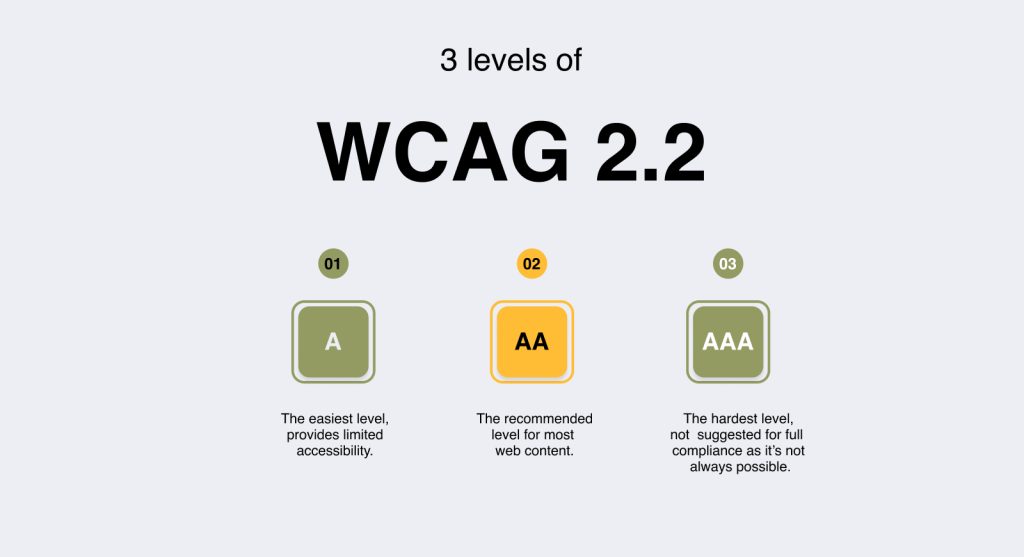
This goes beyond basic color contrast checks; it involves ensuring full keyboard navigability, proper screen reader support, and logical focus management. Ask the agency for an accessibility audit report from a recent project.
A firm that treats accessibility as an afterthought or an optional add-on poses a significant legal and reputational risk to your product. Look for specific mentions of tools like Axe DevTools, WAVE, or manual testing protocols that the agency integrates into their standard development lifecycle. If they lack a documented process for maintaining WCAG compliance throughout the design-to-development handoff, the resulting interface will likely require costly remediation later.
Remediation strategies for failing design engagements
When a partnership with user interface design companies deteriorates, immediate intervention is necessary to prevent further capital loss and project stagnation. The first step involves a formal performance audit.
Compare the current deliverables against the original project scope and technical requirements defined in your Statement of Work (SOW). If the design firm consistently misses milestones or produces non-responsive layouts, initiate a structured feedback loop that mandates daily stand-ups and transparent access to their Figma or Adobe XD source files.
If the design quality does not improve within a two-week sprint, prepare for a transition. Avoid the sunk-cost fallacy by documenting every instance of non-compliance. This documentation serves as the foundation for a potential legal or financial settlement, ensuring you are not paying for work that fails to meet industry standards for accessibility or user experience.
Contractual exit clauses — Protecting intellectual property and code ownership during transition
A robust exit strategy hinges on the specific language within your service agreement. Before terminating a contract, verify that your agreement includes a ‘work-for-hire’ provision.
This clause is critical because it explicitly grants your company full ownership of all intellectual property, including wireframes, high-fidelity prototypes, and design systems, the moment payment is rendered. Ensure your contract includes a ‘transition assistance’ clause.
This requires the outgoing firm to provide a clean handover of all assets, including raw design files, style guides, and documentation of design tokens. Without this, you may find yourself with a visual interface that cannot be translated into functional code, forcing your engineering team to rebuild the front end from scratch.
If your current contract lacks these protections, prioritize them in all future negotiations with ux design best practices. Always demand the transfer of administrative rights to your organization’s design software accounts before issuing the final payment to prevent the firm from holding your project assets hostage during the offboarding process.
Frequently Asked Questions
Primary red flags when working with user interface design companies
Primary red flags include a lack of documentation for design systems, failure to integrate with your development team’s sprint cycles, and a design process that prioritizes aesthetic trends over functional user flows.
Indicators of technical knowledge gaps in design agencies
If an agency delivers high-fidelity mockups that ignore CSS grid limitations, component reusability, or state management complexities, they likely lack the necessary technical alignment to build scalable products.


