



If you are searching for how to delete Binance transaction history, it is important to understand that there is no functional way to erase these records from the exchange’s servers. Due to strict global financial regulations, every trade, deposit, and withdrawal is permanently logged to ensure compliance with anti-money laundering (AML) and know your customer (KYC) mandates.
- Financial records are legally required to be kept for 5 to 7 years.
- Centralized exchanges operate on immutable databases that prevent user-level deletion.
- GDPR and CCPA rights to erasure do not override financial record-keeping laws.
- Clearing local browser cache only removes temporary files, not your actual trade history on the server.
- Financial records are legally required to be kept for 5 to 7 years.
- Centralized exchanges operate on immutable databases that prevent user-level deletion.
- GDPR and CCPA rights to erasure do not override financial record-keeping laws.
- Clearing local browser cache only removes temporary files, not your actual trade history on the server.
Regulatory mandates for financial data retention
Users cannot delete their Binance transaction history because the exchange operates under strict global financial regulations that require the preservation of all trade logs. These records serve as a fundamental audit trail for financial authorities, ensuring transparency and accountability within the digital asset ecosystem.
Anti-Money Laundering and KYC obligations
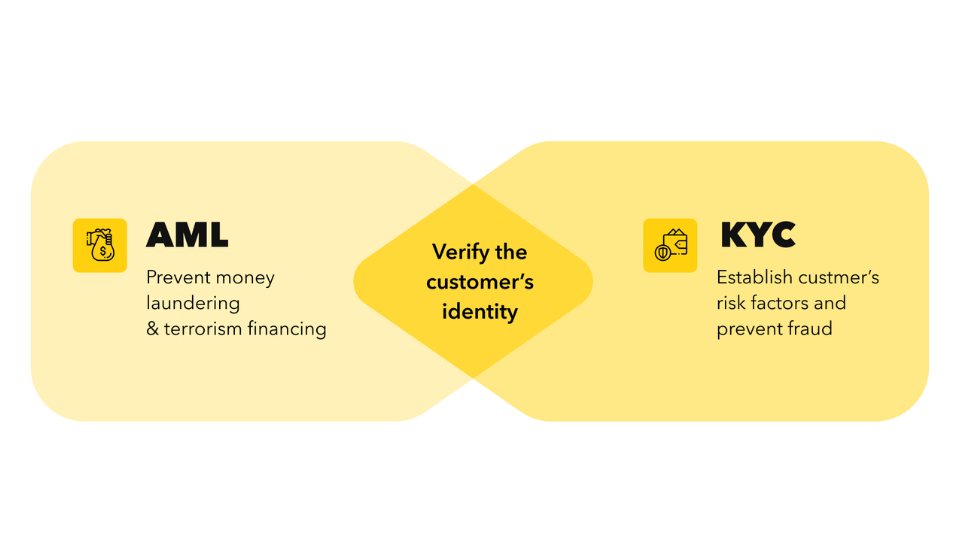
Binance is classified as a Virtual Asset Service Provider (VASP) in many jurisdictions, which mandates compliance with Anti-Money Laundering (AML) and Know Your Customer (KYC) protocols. These laws require exchanges to maintain detailed records of every transaction, deposit, and withdrawal for a period typically ranging from five to seven years. This data is essential for law enforcement agencies to track illicit financial flows and prevent market manipulation.
Technical constraints on how to delete Binance transaction history
The architecture of centralized exchanges like Binance makes it technically impossible for a user to delete their transaction history, a key difference when considering Binance Wallet vs Hardware Wallets. The ledger is designed to be a permanent, immutable record of all activity associated with a specific account ID, ensuring that the platform’s internal accounting remains accurate and verifiable.
Immutable nature of exchange databases
Unlike a local file on your computer, your trade history exists on a distributed database managed by the exchange. Once a trade is executed and settled, the transaction data is cryptographically timestamped and stored in the exchange’s core ledger. There is no user-facing interface or administrative command that allows for the removal of these entries, as doing so would compromise the integrity of the platform’s financial reporting.
Managing account visibility and privacy
While you cannot erase your history from the exchange’s servers, you can manage how your data appears on your local devices and consider alternative strategies for maintaining privacy. Understanding the distinction between local cache and server-side data is critical for effective account management. If you are exploring decentralized options, you might look into how to use binance web3 wallet for dapps to maintain better control over your personal transaction footprint.
Exporting and clearing local cache data
If you are concerned about sensitive data remaining on your local machine, you can clear your browser’s cache, cookies, and history. This removes the temporary files that store your login sessions and recent page views, but it does not affect the actual transaction records stored on Binance’s servers. For record-keeping, you should use the official Binance export feature to download your trade history as a CSV file, which allows you to store your data offline securely.
Account migration and fresh start considerations
Some users consider opening a new account to achieve a clean slate. However, this does not delete the history associated with your previous account, which remains in the system for the duration required by law. Furthermore, creating multiple accounts may violate Binance’s Terms of Use, potentially leading to account suspension or identity verification conflicts.
Identifying legitimate data removal requests
Under regulations like the General Data Protection Regulation (GDPR) or the California Consumer Privacy Act (CCPA), users have the right to request the deletion of certain personal data. However, these rights are not absolute when applied to financial services.
Right to erasure limitations in finance
The right to erasure is subject to significant legal exceptions, particularly regarding financial transaction records. Because exchanges are legally obligated to retain trade logs for tax and regulatory compliance, these requirements override a user’s request to delete their transaction history. You may request the deletion of non-essential personal information, such as marketing preferences or profile photos, but your core financial history will remain intact as long as the law requires.
| Method | Effectiveness | Limitations |
|---|---|---|
| Clearing Browser Cache | Removes local session data | Does not delete server-side history |
| Account Deletion | Closes access to account | Data remains stored for regulatory audit |
| Exporting CSV | Allows offline record keeping | Does not remove data from exchange |
Comparison of data control methods
| Method | Effectiveness | Limitations |
|---|---|---|
| Clearing Browser Cache | Removes local session data | Does not delete server-side history |
| Account Deletion | Closes access to account | Data remains stored for regulatory audit |
| Exporting CSV | Allows offline record keeping | Does not remove data from exchange |
Frequently Asked Questions
Binance private key custody and security
No, Binance is a centralized exchange and does not have access to your private keys for external non-custodial wallets. If you keep funds on the exchange, Binance manages the custody of those assets. For those managing assets across various protocols, understanding how to manage multi-chain dapps in binance wallet is essential for security.
Practical methods for enhancing Binance account privacy
You can enhance privacy by enabling two-factor authentication (2FA), using a dedicated email address for your account, and avoiding the public sharing of your transaction IDs or account details. It is also wise to review your binance web3 wallet privacy settings for dapps to ensure your interactions remain secure.
Safety considerations for large balance storage on Binance
While Binance provides security measures, keeping large amounts on any centralized exchange carries counterparty risk. It is generally recommended to store significant assets in a hardware wallet where you control the private keys. Before connecting to new platforms, always check the binance web3 wallet dapp compatibility list to verify the safety of the services you use.
Device management and removal procedures
You can manage and remove authorized devices by navigating to the Security section of your account settings, where you can view and disconnect Binance Web3 Wallet.
Data sharing protocols with regulatory authorities
Yes, Binance complies with valid legal requests from law enforcement agencies and regulatory bodies in jurisdictions where it operates, as required by local and international law.


