



Centralized versus self-custody misconceptions
Learning how to manage multi-chain dapps in binance wallet effectively requires understanding that the exchange acts as a custodian, handling private keys and network infrastructure on your behalf. Many users mistakenly believe they must hold private keys for every individual blockchain network supported by the platform.
In reality, Binance allows you to interact with multiple chains through a single, unified account interface. This removes the need for manual key management for each network.
Exchange account asset control and internal transfers
When you deposit assets into your Binance account, you are not interacting directly with the blockchain’s native address in the traditional sense. Instead, Binance credits your account balance within their internal database.
This system simplifies the process of how to manage multi-chain assets on Binance because the exchange handles the complexities of cross-chain compatibility, gas fees, and network upgrades internally. When you initiate a transfer, the exchange executes the transaction using its own liquidity pools and hot wallets.
This custodial model ensures that users do not need to worry about the specific technical requirements of different chains. You do not need to maintain native coins for gas fees on every network, as the exchange automates these backend processes.
Web3 wallet self-custody mechanics and private key management
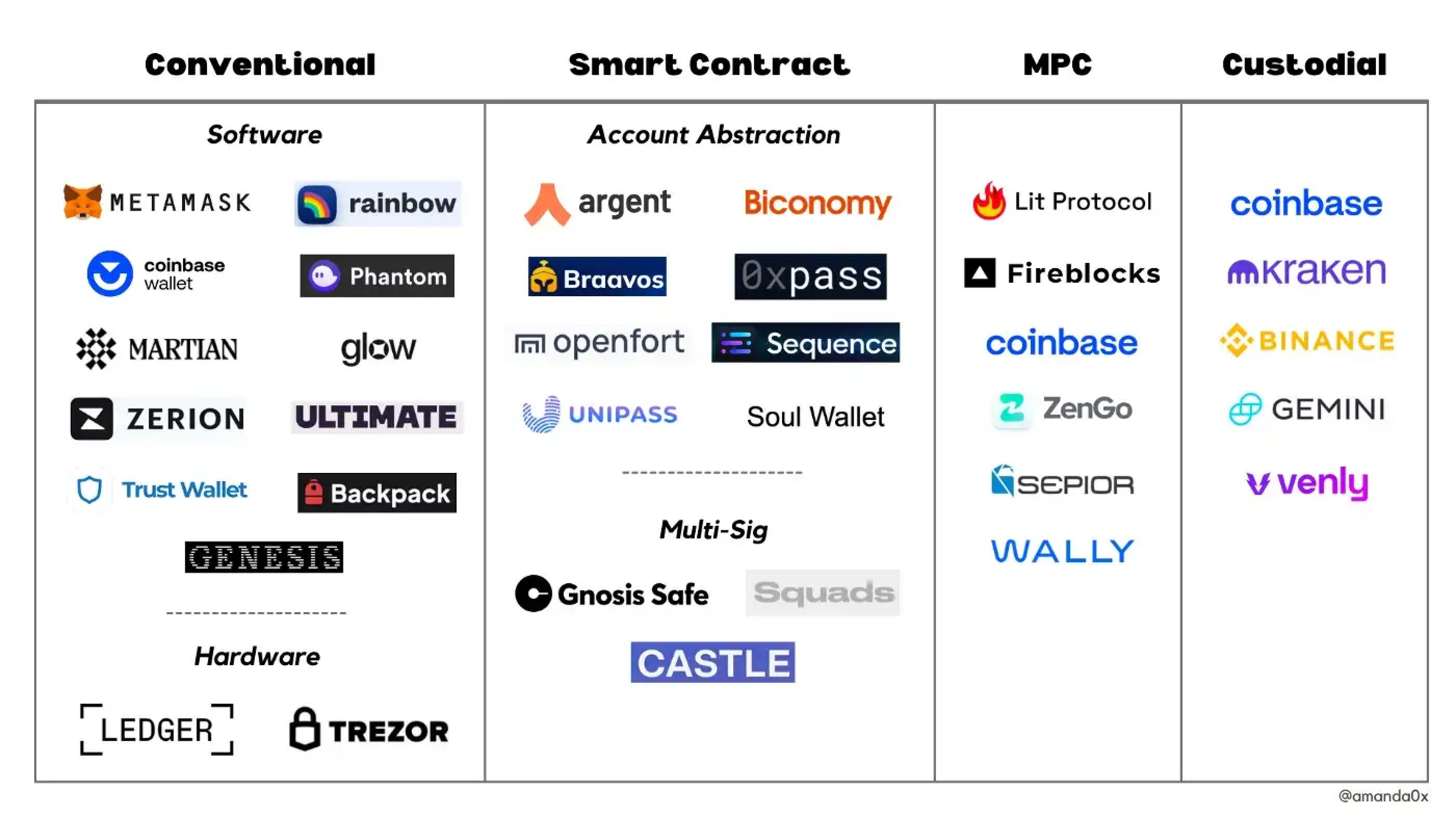
Self-custody differs fundamentally from the Binance custodial model. In a Web3 environment, you are responsible for managing your own private keys or seed phrases.
If you use a non-custodial wallet like MetaMask or Trust Wallet to interact with multiple chains, you must manually configure network settings—such as RPC URLs, Chain IDs, and currency symbols—for each blockchain you intend to access. Unlike the exchange environment, where assets are pooled, self-custody requires you to hold native tokens for every chain to pay for transaction fees.
For instance, if you hold tokens on the BNB Smart Chain, the Ethereum Mainnet, and Polygon, you must independently manage BNB, ETH, and MATIC/POL respectively to authorize any movement of your assets. This distinction is vital for security, as self-custody grants you total control but places the entire burden of recovery and network maintenance on your shoulders.
Network compatibility and bridge reality
Understanding how to manage multi-chain assets on Binance requires a clear distinction between how the exchange handles different blockchain protocols. Binance supports a vast array of networks, but it does not treat every asset identically.
Users often mistake a token’s presence on the Binance platform for universal compatibility with every network that token inhabits.
Native support versus wrapped tokens
When you deposit an asset, Binance typically maps it to a specific network. For example, if you deposit USDT, you must select the correct network—such as ERC-20 (Ethereum), BEP-20 (BNB Smart Chain), or TRC-20 (Tron). These are not interchangeable.
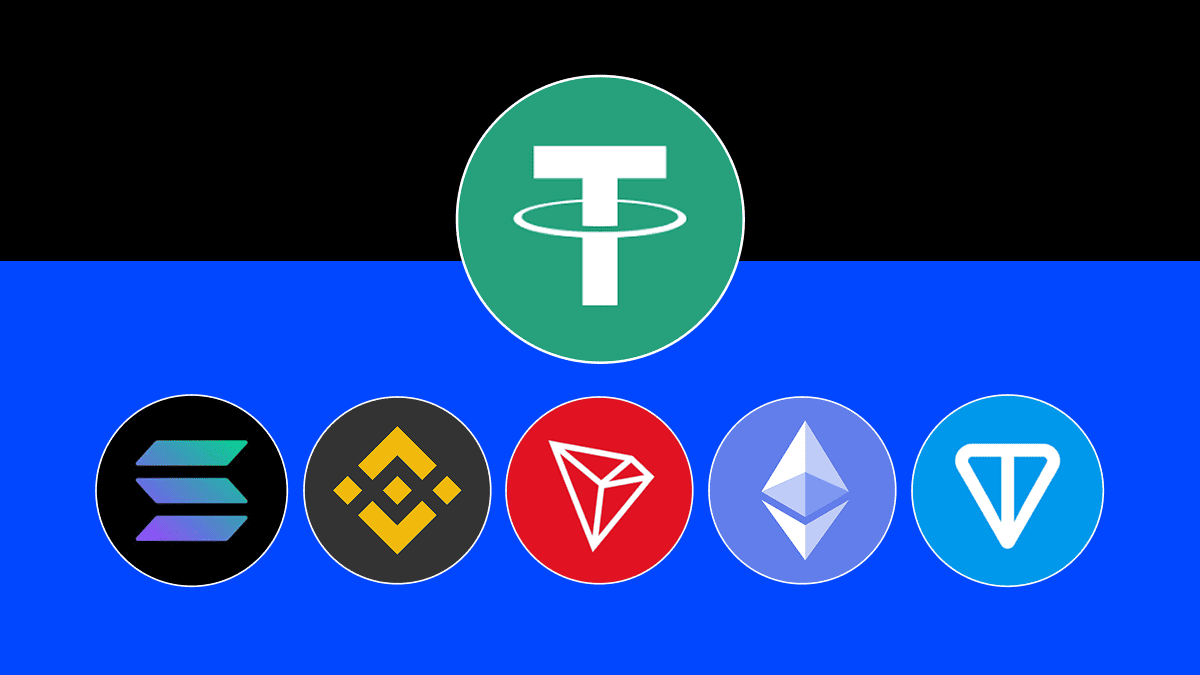
If you send an ERC-20 token to a BEP-20 address, the assets may become inaccessible unless the exchange provides a recovery service, which is not guaranteed for all token types. Native assets exist on their primary blockchain, while wrapped tokens are synthetic representations created to function on a different chain.
Binance often facilitates this via their internal bridge mechanism. When you withdraw, the exchange burns the wrapped token and releases the native asset on the destination chain. Always verify the contract address of the token you are moving to ensure it matches the network you have selected in the withdrawal interface.
Cross-chain bridge risks
Moving assets between chains introduces technical risks that go beyond simple user error. Bridges rely on smart contracts to lock assets on one chain and mint them on another.
If the bridge protocol suffers a vulnerability, the underlying collateral can be drained, leaving your wrapped tokens on the destination chain worthless. Binance mitigates some of these risks by acting as a centralized custodian for many cross-chain transactions.
However, when you use external decentralized bridges to move assets into your Binance wallet, you are responsible for the security of that transaction path. Always check the status of the network on the Binance deposit page before initiating a transfer. If the network is undergoing maintenance or experiencing high congestion, your assets may remain in a pending state, effectively locking them until the bridge connection is restored.
Operational efficiency in how to manage multi-chain assets on Binance
Managing assets across disparate blockchains often leads to fragmented liquidity and increased administrative overhead. Binance addresses this complexity by integrating various network standards directly into its wallet architecture.
This allows users to interact with multiple ecosystems without switching between dozens of individual browser-based wallets. Efficiency in this context relies on understanding how the exchange maps different network protocols to a unified user interface.
Consolidated portfolio tracking via the Binance interface
The Binance Spot Wallet provides a centralized dashboard that automatically aggregates holdings across supported chains. When you deposit assets, the platform detects the network—such as BEP-20, ERC-20, or Solana—and updates your total balance in real-time.
To view a breakdown of these holdings, navigate to the ‘Fiat and Spot’ wallet section and utilize the ‘Asset Distribution’ tool. This feature allows you to filter by specific networks, ensuring you can identify exactly which chain your tokens reside on.
By clicking on a specific asset, the interface displays the deposit and withdrawal history filtered by network. This is essential for auditing cross-chain movements and ensuring assets have not been sent to unsupported addresses.
Gas fee management and native token requirements
A common friction point in multi-chain management is the requirement for native network tokens to cover gas fees. Even if your portfolio consists primarily of stablecoins or wrapped assets, you cannot execute on-chain transfers without the underlying native currency.
For instance, moving assets on the Ethereum network requires ETH for gas, while the BNB Smart Chain requires BNB. Binance simplifies this by allowing users to purchase these native tokens directly via the ‘Convert’ or ‘Spot’ markets with minimal slippage.
Before initiating any withdrawal to an external wallet, verify the specific gas requirements of the destination network. Failing to maintain a sufficient buffer of native tokens in your destination wallet will result in failed transactions, as smart contract interactions cannot be paid for using the non-native tokens being transferred. Always keep a small reserve of the native asset on each chain you actively utilize to prevent liquidity lock-ups during periods of high network congestion.
Security protocols for multi-chain portfolios
Managing assets across diverse blockchains requires a rigorous approach to security, particularly when utilizing the Binance Web3 Wallet. Unlike centralized exchange accounts, self-custody solutions place the burden of protection directly on the user.
Implementing a layered defense strategy is essential to prevent unauthorized access and mitigate the impact of potential vulnerabilities.
DApp interaction risks
Connecting your wallet to decentralized applications (DApps) is a primary vector for asset loss. When you grant a DApp permission to interact with your wallet, you are often signing a smart contract that can access specific token balances.

Malicious actors frequently deploy deceptive DApps that request “infinite approval” permissions, allowing them to drain your entire balance across multiple chains if the contract is compromised. To protect your portfolio, always verify the URL of the DApp and check the specific permissions requested in the how to disconnect binance web3 wallet from dapps interface before confirming any transaction.
Use tools like Revoke.cash to periodically audit and cancel existing token approvals that you no longer actively use. This limits the window of opportunity for a compromised protocol to access your funds.
Backup and recovery requirements
The Binance Web3 Wallet utilizes Multi-Party Computation (MPC) technology, which eliminates the need for a traditional 12-word seed phrase by splitting your private key into three distinct shares. One share is stored on your device, one on Binance’s servers, and one is encrypted and backed up to your personal cloud storage (iCloud or Google Drive).
This architecture is highly secure, but it creates a critical dependency on your cloud account and password. If you lose access to your cloud storage or forget the recovery password for your MPC key share, you may permanently lose access to your assets.
You must ensure that your cloud account remains active and that your recovery password is kept in a secure, offline location, such as a physical password manager or a fireproof safe. Relying solely on the default settings without verifying your backup status is a significant risk that can lead to irreversible asset loss during device failure or account lockout.
Transaction failure analysis
When you encounter a failed transaction while attempting to manage multi-chain assets on Binance, the cause is rarely a platform glitch. Most errors stem from mismatches between the selected network and the destination wallet, or insufficient gas fees to cover the transaction on the target blockchain.
Before re-attempting, always verify the status of your transaction hash on a block explorer like BscScan or Etherscan to identify the specific error code returned by the network.
Network congestion and slippage
High traffic on a specific blockchain, such as Ethereum or Solana, often leads to increased latency and failed transactions. When the network is congested, the gas price required for a successful transfer spikes.
If your transaction is submitted with a fee lower than the current network demand, it may remain pending indefinitely or be dropped entirely. Additionally, when swapping assets across chains, slippage—the difference between the expected price and the executed price—can cause a transaction to revert if the price moves beyond your set tolerance.
To mitigate this, manually adjust your slippage tolerance in the advanced settings of the Binance bridge or decentralized exchange (DEX) interface, typically setting it between 0.5% and 1% depending on market volatility.
Address format errors
A frequent cause of permanent asset loss is sending tokens to an incompatible address format. While many chains utilize the EVM (Ethereum Virtual Machine) standard, which shares the “0x” prefix, others like Solana, Bitcoin, or Cosmos use entirely different address structures.
If you attempt to send an asset to an address that does not support the specific token standard (e.g., sending BEP-20 tokens to a native Bitcoin address), the transaction will either be rejected by the exchange or, in some cases, the funds may become trapped in a contract that you cannot access.
Always use the “Deposit” and “Withdraw” functions within your Binance dashboard to ensure the platform automatically selects the correct network and validates the address format before you confirm the transaction.
Regulatory and compliance boundaries
Managing multi-chain assets on Binance requires adherence to strict jurisdictional frameworks. While the platform provides a unified interface for various blockchain networks, your ability to interact with specific tokens or chains is governed by the regulatory environment of your country of residence.
Binance employs automated geofencing and KYC (Know Your Customer) protocols to ensure that users only access services permitted under local financial laws.
Regional restrictions on specific chains
Not all blockchain networks are supported in every jurisdiction due to varying interpretations of financial regulations. For instance, certain privacy-focused coins or tokens issued on specific decentralized finance (DeFi) chains may be restricted in regions with stringent anti-money laundering (AML) requirements.
When you attempt to deposit or withdraw assets via a chain that is restricted in your region, the platform will typically disable the corresponding network address or display a notification indicating that the service is unavailable.
Compliance mechanisms also extend to how you manage multi-chain assets on Binance when traveling. If you access your account from a different country, the platform may trigger a re-verification process or temporarily limit your ability to trade specific assets that are non-compliant in that new location.
To avoid disruptions, always check the “Supported Countries” list in the Binance Terms of Use before attempting to bridge or transfer assets across chains that might face regulatory scrutiny in your current area.
Furthermore, Binance maintains a policy of delisting assets or disabling specific network support if a chain fails to meet evolving regulatory standards. This is a protective measure designed to prevent legal exposure for both the exchange and the user. If a chain you frequently use for asset management is suddenly removed, you are usually granted a window to withdraw those assets to a self-custody wallet, though the ability to trade or convert them within the Binance ecosystem will be permanently suspended.
Data privacy and on-chain transparency
Managing multi-chain assets requires a clear understanding of the difference between centralized exchange privacy and the inherent transparency of public blockchains. When you move assets from Binance to a self-custody wallet, you transition from a private, off-chain ledger managed by a corporation to a public, immutable record accessible to anyone with a block explorer.
Public ledger visibility and transaction privacy
Many users mistakenly believe that moving funds to a private wallet grants them anonymity. In reality, every transaction conducted on chains like Ethereum, BNB Smart Chain, or Solana is recorded on a public ledger.
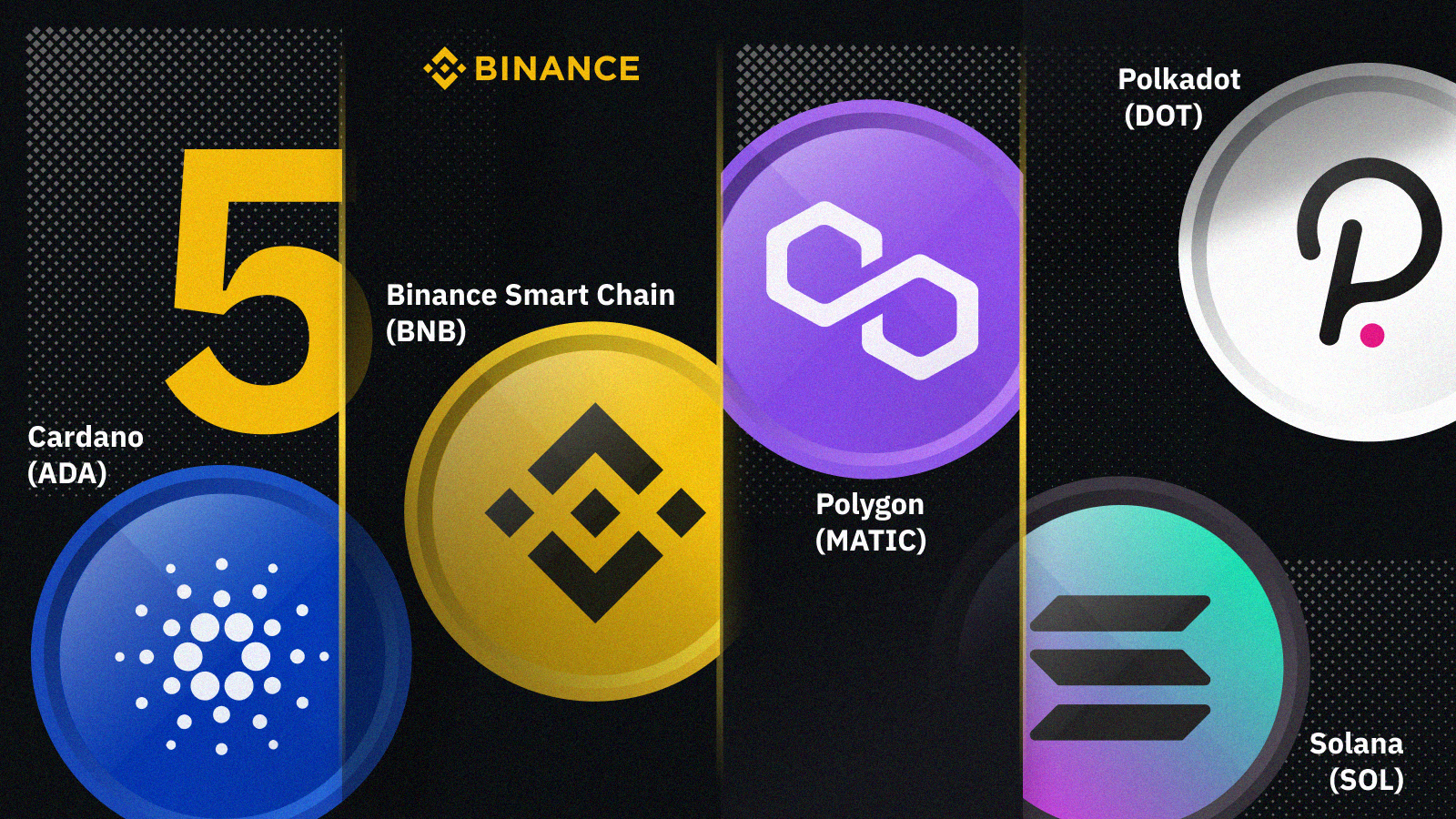
If your wallet address is linked to your identity—such as through a KYC-verified exchange withdrawal or a purchase on a centralized platform—your entire transaction history becomes traceable. When you manage multi-chain assets, consider these technical realities:
- Wallet Linkage: If you withdraw funds directly from your Binance account to a personal wallet, the exchange records that specific address as belonging to your user profile. On-chain analytics tools like Nansen or Arkham Intelligence can then map your subsequent activity across different chains.
- Metadata Exposure: Smart contract interactions, such as swapping tokens on decentralized exchanges (DEXs) or staking, leave permanent footprints. These records include the timestamp, the amount transferred, and the specific contract address interacted with.
- Privacy Limitations: Unlike privacy-focused coins, standard assets like ETH or BNB offer no built-in obfuscation. Every transfer is visible to anyone who knows your public address.
To enhance your operational security, avoid reusing the same wallet address across different chains if you wish to compartmentalize your holdings. Using a fresh address for each specific purpose—such as one for long-term cold storage and another for active DeFi participation—can prevent a single compromised interaction from exposing your entire portfolio.
Always remember that blockchain transparency is a feature for auditability, not a tool for personal privacy. If you require absolute confidentiality, centralized exchanges like Binance offer a layer of abstraction that self-custody solutions simply cannot replicate, as the exchange acts as a privacy buffer between your individual identity and the public network.
Future-proofing your asset strategy
Managing a diverse portfolio across multiple networks requires more than just executing transactions; it demands a proactive approach to security and protocol compatibility. As Binance continues to integrate new Layer-2 solutions and cross-chain bridges, your strategy must evolve to account for network-specific risks and liquidity shifts.
Regularly auditing your wallet permissions and ensuring you are using the correct network identifiers for each asset is the primary defense against permanent loss.
Monitoring protocol updates and chain-specific changes
Blockchain protocols frequently undergo hard forks, upgrades, or migration events that can affect how your assets are stored or accessed on Binance. For instance, when a network transitions from a testnet to a mainnet or updates its consensus mechanism, Binance may temporarily suspend deposits and withdrawals.
Relying solely on the exchange interface can leave you blind to these maintenance windows. To maintain control over your multi-chain assets, implement these three verification steps:
- Check the Official Binance Announcement Center: Before initiating large transfers, verify the status of the specific network. Binance provides real-time updates on network health, which is the most reliable source for identifying scheduled maintenance or emergency halts.
- Verify Contract Addresses: When interacting with decentralized finance (DeFi) protocols via Binance Web3 Wallet, always cross-reference the token contract address on a block explorer like BscScan, Etherscan, or Polygonscan. Never assume a token ticker is unique across different chains.
- Monitor Gas Token Requirements: Each chain requires its native token (e.g., BNB for BNB Chain, ETH for Ethereum, MATIC for Polygon) to pay for transaction fees. Keep a small reserve of these native assets in your wallet to ensure you are never locked out of moving your tokens during periods of high market volatility.
By treating each chain as a distinct environment with its own set of rules, you reduce the likelihood of common errors such as sending assets to incompatible addresses. Consistently reviewing your portfolio distribution against these technical requirements ensures your assets remain liquid and accessible regardless of underlying network changes.
Frequently Asked Questions
Direct deposit limitations for unsupported chains
No. Binance only supports specific networks for each asset. You must ensure the network selected on the sending wallet matches the deposit network enabled on Binance to avoid permanent loss of funds.
Automated cross-chain conversion mechanics
Binance does not perform automatic cross-chain conversion for deposits. If you send an asset via an unsupported network, it will not appear in your spot wallet, and recovery is often impossible or subject to strict manual review.


