



Core competencies of the best UI design company
Selecting a design partner for fintech requires evaluating technical proficiency beyond aesthetic appeal. The best ui design company must demonstrate a deep understanding of financial regulatory constraints, high-frequency data throughput, and the psychological demands of high-stakes trading environments. A firm capable of delivering high-conversion interfaces in this sector prioritizes cognitive load management, ensuring that complex financial instruments remain accessible without sacrificing the depth of data required by professional traders.
Specialization in complex data visualization
Fintech platforms live or die by their ability to render real-time market data. A top-tier design firm does not simply apply a template to a dashboard; they architect the layout to handle high-velocity updates without flickering or layout shifts. Mastery of real-time order books necessitates a design system that supports sub-millisecond data refreshes while maintaining legibility.
When designing candlestick charts, the firm must implement responsive scaling that allows users to toggle between timeframes—from one-minute intervals to monthly trends—without losing sight of critical support and resistance levels. This requires a technical grasp of SVG rendering or Canvas-based charting libraries to prevent browser lag during periods of high market volatility.
Security-first design architecture
In the crypto and fintech space, the user interface serves as the primary defense against catastrophic user error. The best UI design company integrates security protocols directly into the user journey rather than treating them as an afterthought. This involves designing non-intrusive yet impossible-to-ignore confirmation modals that surface critical transaction details—such as destination addresses, fee structures, and network congestion warnings—at the exact moment of intent.
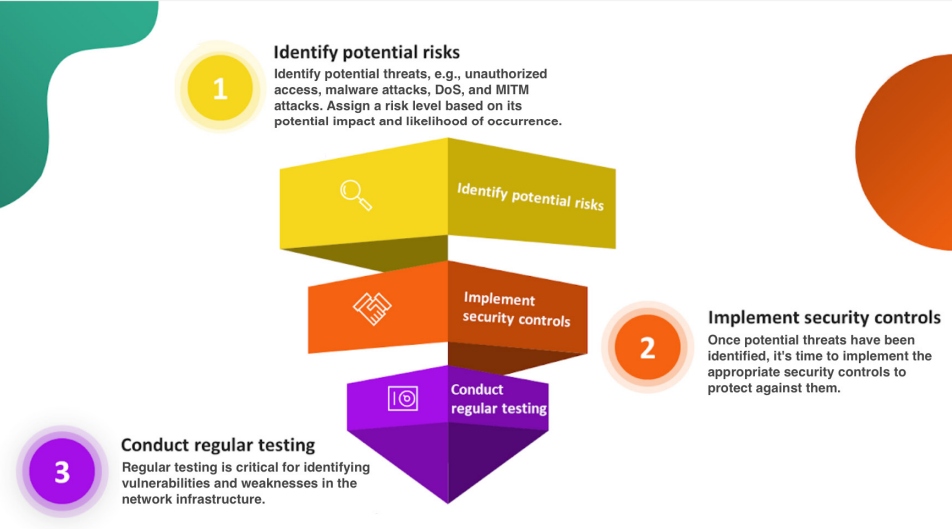
Effective architecture utilizes progressive disclosure, revealing advanced security settings only when necessary to prevent interface clutter, while ensuring that multi-factor authentication prompts or hardware wallet connection states are always visible. By embedding security into the interaction design, the firm reduces the likelihood of phishing-related losses and builds long-term user trust through consistent, transparent feedback loops during every transaction step.
Evaluating the best UI design company through portfolio analysis
Selecting a design partner in the fintech sector requires moving beyond aesthetic appeal to scrutinize the underlying architecture of their past work. A high-performing agency should demonstrate a clear methodology that prioritizes user trust and regulatory compliance. When reviewing portfolios, look for evidence of complex data visualization, secure authentication flows, and accessibility compliance, which are non-negotiable in financial services.
Assessing design system documentation
Verify if an agency delivers a living design system or merely static mockups by requesting access to their documentation standards. A professional firm will provide a link to a platform like Storybook, Zeroheight, or Figma’s internal documentation feature. Examine these files for atomic design principles, where individual elements—such as buttons, input fields, and typography tokens—are documented with specific states like hover, focus, error, and disabled.
If an agency cannot provide a centralized repository of reusable components, they are likely delivering one-off screens that will create technical debt during the development phase. Ask specifically for their process regarding token management; a mature team will explain how they sync design tokens directly with the codebase to ensure consistency across web and mobile platforms.
User flow testing and conversion metrics
The best user experience companies will substantiate their creative decisions with quantitative data rather than subjective preferences. Request case studies that explicitly map UI modifications to specific KPIs, such as a reduction in drop-off rates during the KYC (Know Your Customer) onboarding process or an increase in transaction completion speed.
Ask the agency to provide a breakdown of their testing methodology. A credible partner should be able to show how they utilized tools like Hotjar for heatmapping, Maze for unmoderated remote testing, or Optimizely for A/B testing variations of a dashboard.
Look for clear documentation showing the ‘before’ and ‘after’ states of a user flow, accompanied by the percentage improvement in conversion or task success rates. If an agency only presents polished visual assets without explaining the user research or performance data that informed those designs, they are prioritizing form over the functional requirements of a fintech product.
Operational workflows and delivery cycles
Selecting the best UI design company for a fintech project requires a rigorous assessment of their internal operational cadence. High-performing design firms do not operate in silos; they utilize structured sprint cycles that mirror the development lifecycle of financial applications. A professional firm should provide a clear roadmap that includes discovery, wireframing, high-fidelity prototyping, and a formalized quality assurance phase specifically for UI components.
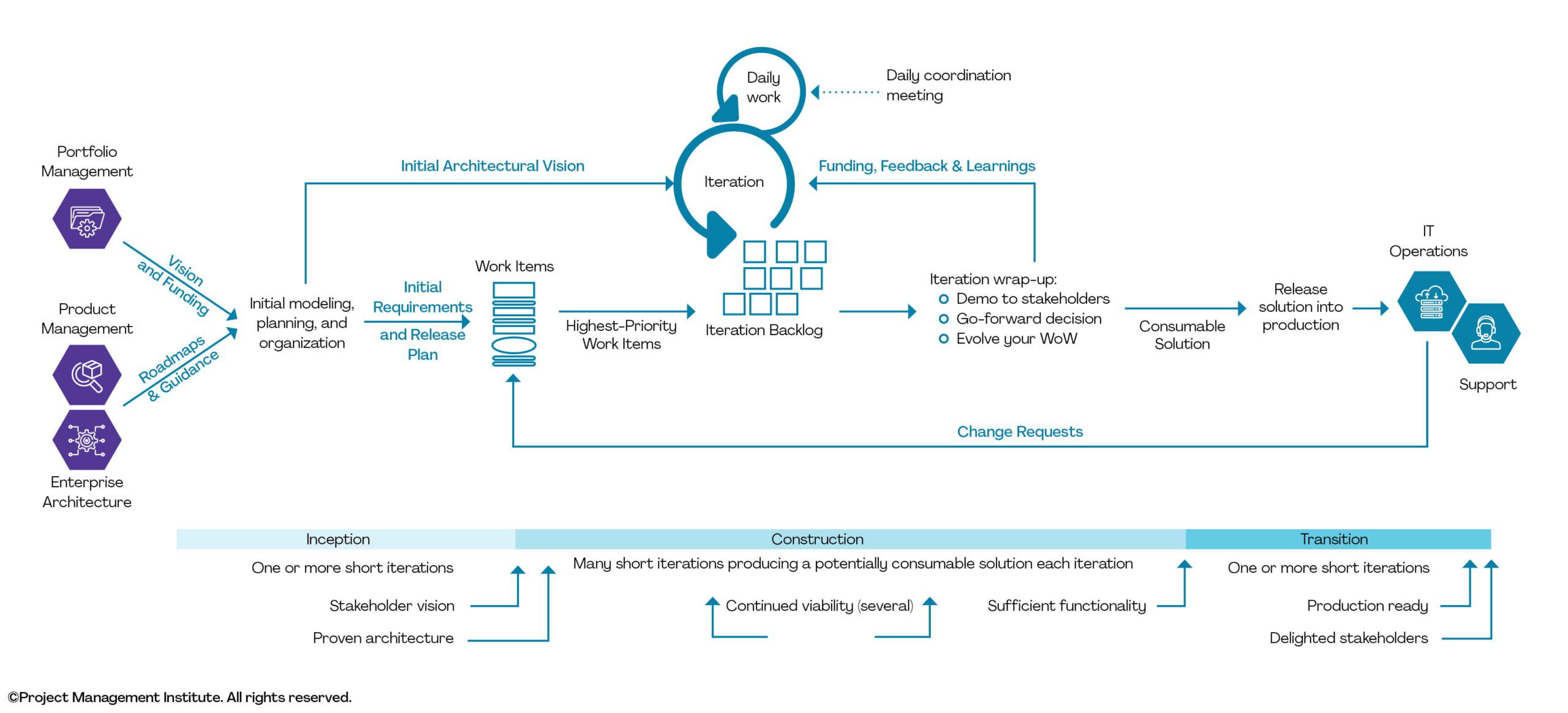
Effective teams utilize industry-standard tools such as Figma, Zeplin, or Adobe XD, but the differentiator lies in their version control and documentation practices. Look for agencies that maintain a living design system. This ensures that every button, input field, and modal window used in your trading dashboard or wallet interface remains consistent across all product iterations, reducing technical debt and accelerating future feature rollouts.
Agile integration with development teams
The bridge between design and engineering is where most fintech projects falter. The best UI design company must demonstrate a mature handoff protocol that accounts for the specific constraints of smart contract integration and blockchain-based data fetching. Designers must understand the latency inherent in decentralized networks; for instance, they should design loading states and optimistic UI patterns that communicate transaction status to users before the blockchain confirms the block.
A robust handoff protocol includes:
- Component-level documentation: Providing engineers with precise CSS attributes, spacing tokens, and color hex codes that map directly to your codebase.
- State-based design: Providing visual assets for every edge case, including pending transactions, failed signatures, insufficient gas fees, and wallet disconnection events.
- Interactive prototypes: Utilizing tools like ProtoPie or Framer to demonstrate complex micro-interactions that static screens cannot convey, ensuring developers understand the intended user flow.
- Feedback loops: Implementing a bi-weekly review cycle where developers provide input on the feasibility of complex UI animations before final assets are exported.
By prioritizing firms that integrate these technical requirements into their daily workflow, you minimize the friction between aesthetic vision and functional implementation. This operational synergy is essential for maintaining the security and responsiveness required in high-stakes financial environments.
Limitations and risks in agency partnerships
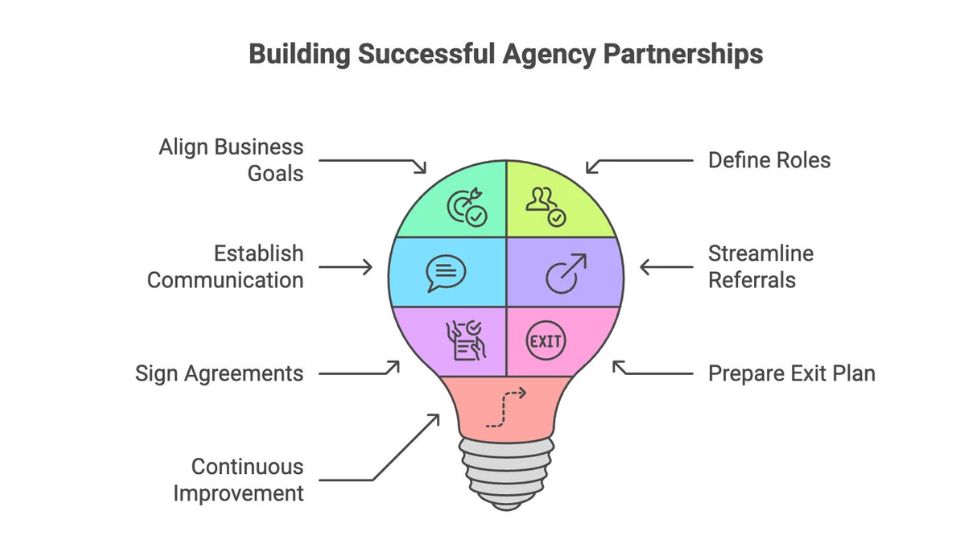
Selecting the best UI design company requires acknowledging that even top-tier agencies operate within specific constraints. Fintech projects often suffer when there is a misalignment between the agency’s internal workflow and the client’s regulatory requirements. Agencies frequently prioritize aesthetic iteration cycles that may not account for the rigorous security audits or compliance documentation necessary for financial platforms. When vetting partners, it is often helpful to consult design agencies leading the charge in high-stakes environments.
The trade-off between speed and design depth
Rapid prototyping is a standard service offering, but it often masks a lack of foundational architectural planning. When an agency pushes for high-fidelity mockups within a two-week sprint, they often bypass the creation of a robust design system. Adhering to best ux design firms is essential to avoid this pitfall.
This leads to “technical debt in the UI,” where components are hard-coded for specific screens rather than built as reusable, scalable assets. Over time, this creates a fragmented interface that becomes increasingly difficult to maintain as your fintech product adds new features like multi-factor authentication or complex transaction histories. If you are scaling, consider working with a digital marketing agency for saas companies to ensure long-term architectural integrity.
Another significant risk involves the loss of institutional knowledge. Agencies typically rotate staff across multiple accounts to optimize resource allocation.
If your project lead or senior designer is reassigned mid-development, the nuances of your specific user journey—such as the logic behind complex onboarding flows—can be lost. This turnover often results in a “design drift,” where the final implementation deviates from the initial user research findings.
To mitigate these risks, mandate that any potential partner provides a clear documentation handover process. Demand access to the raw design files in industry-standard tools like Figma or Sketch, ensuring that all auto-layout settings and component variants are documented. For those seeking standardized quality, reviewing user interface design services india can provide a clearer roadmap for selection.
Do not rely solely on the agency’s presentation decks; verify that their design system includes a comprehensive style guide that covers edge cases, such as error state handling for failed API calls or low-latency network conditions. A truly professional agency will welcome this scrutiny, as it demonstrates a commitment to the long-term stability of your platform rather than just the delivery of a polished prototype.
Frequently Asked Questions
Key differentiators for the best UI design company in fintech
The best UI design company in fintech is defined by its ability to balance complex financial data visualization with strict regulatory compliance and security-first user flows, rather than just visual appeal. When evaluating providers, it is wise to compare design agencies year to ensure you are getting the best value for your specific technical requirements.
Methods for verifying design agency technical competence
Request case studies that demonstrate integration with existing API architectures, experience with SOC2 compliance standards, and evidence of iterative testing cycles using tools like Figma, Hotjar, or Maze.


