



Signs of misaligned fee structures
Selecting the right infrastructure for digital asset issuance requires a granular understanding of how providers structure their revenue. A common pitfall for project sponsors is committing to a pricing model that prioritizes the platform’s immediate cash flow over the long-term viability of the tokenized asset.
When real estate tokenization platform pricing models rely heavily on high upfront capital requirements, they often create a barrier that prevents smaller, high-yield assets from ever reaching the secondary market. Investors and issuers should look for signs of misalignment, such as platforms that demand significant equity stakes alongside high implementation fees.
This dual-layer extraction often suggests that the platform is more focused on proprietary gain than on fostering a sustainable ecosystem. If a platform’s fee schedule does not scale proportionally with the success of the tokenized offering, the issuer risks losing control of the asset’s economic upside before the first token is even minted.
Disproportionate setup costs versus asset yield
Calculating the impact of onboarding fees on projected ROI is essential for maintaining the financial health of a tokenized real estate project. Many providers charge fixed setup fees ranging from $20,000 to over $100,000, depending on the complexity of the legal wrapper and the smart contract audit requirements. To determine if these costs are prohibitive, issuers must perform a break-even analysis against the property’s Net Operating Income (NOI).
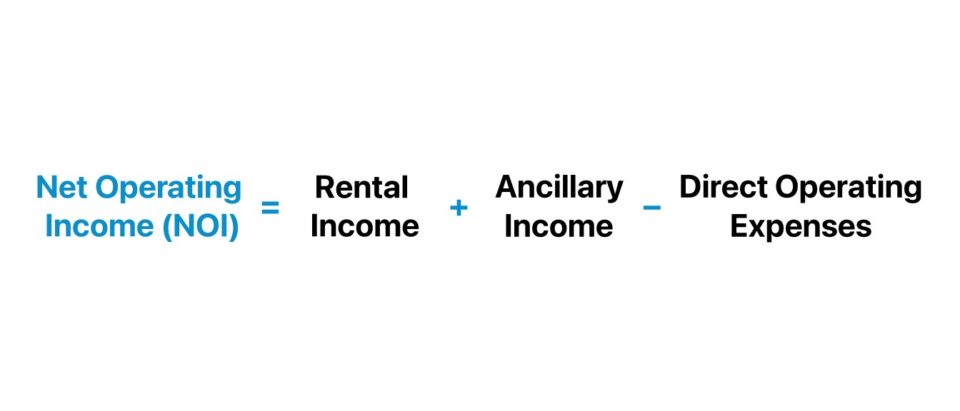
For instance, if a property yields a 6% annual return, a $50,000 fixed onboarding fee effectively consumes the entire first-year profit of an $833,000 asset. If the tokenization platform does not provide clear, measurable value—such as automated dividend distribution or integrated KYC/AML compliance—this upfront cost becomes a drag on the internal rate of return (IRR).
Issuers should prioritize platforms that offer tiered pricing or performance-based structures. In these models, a larger portion of the platform’s compensation is tied to the successful distribution of dividends or secondary market trading volume rather than static implementation costs.
Evaluating real estate tokenization platform pricing models for scalability
Selecting a pricing structure for a tokenization platform requires balancing immediate revenue generation with long-term ecosystem health. Most platforms currently utilize a hybrid model combining a flat setup fee for asset onboarding and a percentage-based transaction fee on secondary market trades.
While setup fees cover legal structuring, compliance audits, and smart contract deployment, they often act as a barrier to entry for smaller property developers. Platforms aiming for scale are increasingly shifting toward success-based models, where the bulk of the revenue is tied to the actual performance and liquidity of the tokenized assets.
The impact of tiered transaction fees on secondary market volume
High transaction fees on secondary markets directly correlate with reduced trading frequency and lower liquidity. When a platform imposes a flat 3% to 5% exit fee on every token sale, retail investors often hesitate to rebalance their portfolios, fearing that the cost of liquidation will erode their capital gains.
This friction creates a stagnant market where tokens become locked assets rather than tradable securities. To mitigate this, competitive platforms have introduced tiered fee structures that decrease as the total trade volume or holding period increases.
For example, a platform might charge a 2% fee for trades under $10,000, but drop this to 0.5% for institutional-grade volumes. By incentivizing higher turnover, these models encourage market makers to provide tighter spreads, which in turn attracts more participants.
A transparent, declining fee schedule helps maintain liquidity by ensuring that the cost of exiting a position does not become prohibitive during periods of market volatility. Platforms that prioritize low-friction secondary trading often see higher overall transaction volume, which compensates for the lower per-trade margin through increased velocity. Developers must carefully calibrate these tiers to ensure they remain profitable while preventing the fee structure from becoming a deterrent to the very liquidity they seek to foster.
Hidden operational overheads in platform service agreements
Beyond the initial setup costs, real estate tokenization platform pricing models often include opaque operational layers that can erode project margins. Many providers structure their contracts to include a base platform fee, but the true cost of ownership frequently hides in the fine print regarding smart contract audits, blockchain gas fee management, and secondary market integration.
Investors and issuers must scrutinize whether these costs are billed as flat monthly retainers or as a percentage of the total asset value under management (AUM).
Ongoing maintenance fees for regulatory updates
Distinguishing between one-time development costs and recurring legal compliance expenses is critical for long-term budget forecasting. While the initial tokenization of an asset involves a singular development phase, the regulatory environment is fluid.
Platforms typically charge a recurring fee to ensure that the smart contracts remain compliant with evolving securities laws, such as updates to KYC/AML protocols or changes in cross-border transaction reporting requirements. When evaluating these agreements, look for the following cost structures:
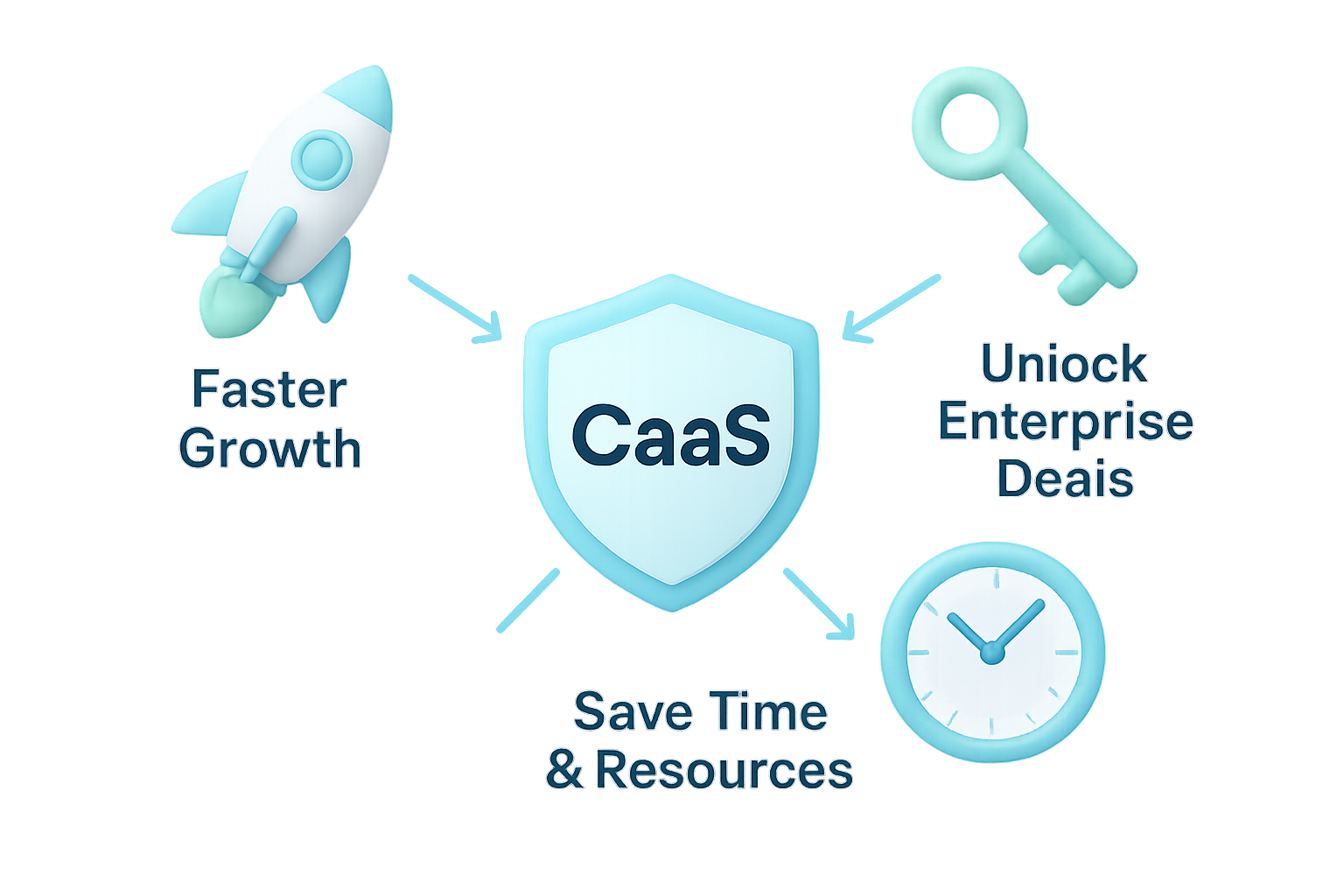
- Compliance-as-a-Service (CaaS) fees: These are often billed annually to cover the cost of legal counsel reviewing the platform’s compliance engine against local jurisdictional shifts.
- Smart contract upgrade cycles: If a vulnerability is discovered or a protocol upgrade is required on the underlying blockchain (e.g., Ethereum or Polygon), platforms may charge a deployment fee to patch the existing token architecture.
- Data storage and indexing costs: Maintaining a real-time, transparent ledger for property ownership requires ongoing server and indexing service costs. Some platforms pass these infrastructure expenses directly to the issuer as a variable monthly surcharge.
A common pitfall is assuming that a fixed-price contract covers all future regulatory adjustments. In practice, most service-level agreements (SLAs) explicitly exclude “extraordinary regulatory changes” from their base maintenance fee. This allows providers to issue additional invoices whenever a new financial regulation necessitates a significant overhaul of the token’s underlying logic.
To mitigate this, issuers should negotiate a cap on annual maintenance increases or request a transparent breakdown of how compliance updates are categorized within the billing cycle.
Technical debt and its influence on long-term pricing
Selecting a real estate tokenization platform pricing model often involves balancing immediate setup fees against long-term maintenance costs. Technical debt accumulates when platforms utilize proprietary smart contract standards or non-interoperable blockchain architectures to lock in users.
This debt manifests as hidden operational expenses, where the cost to upgrade token standards or integrate with emerging secondary markets exceeds the initial savings of a cheaper platform tier. Platforms that rely on legacy infrastructure or monolithic codebases often pass the cost of manual reconciliation and security patching onto the issuer.
When evaluating these models, issuers must distinguish between a platform that charges a transparent SaaS fee and one that hides development overhead within complex, tiered maintenance contracts. High technical debt effectively functions as a ‘liquidity tax,’ as the friction required to port assets to a more efficient protocol can freeze secondary market trading for extended periods.
Vendor lock-in risks in custom tokenization stacks
Assessing the cost of migrating assets when a platform’s pricing model becomes uncompetitive is a critical step in due diligence. Many providers offer aggressive entry pricing by building on custom, closed-source token standards. While this reduces the upfront cost, it creates a significant barrier to exit.
If the platform increases its transaction fees or fails to innovate, the issuer faces a high ‘switching cost’ to migrate smart contracts to an open-standard protocol like ERC-3643 or ERC-20. To mitigate this risk, issuers should prioritize platforms that provide:
- Standardized Smart Contracts: Use of open-source, audited standards that are recognized by multiple custodians and exchanges.
- Data Portability: Clear contractual terms regarding the ownership of investor whitelists and cap table data.
- Interoperability Layers: Support for cross-chain bridges that allow tokens to move between ecosystems without requiring a full re-issuance of the underlying real estate asset.
A pricing model that seems economical today can become a liability if it forces the issuer into a siloed environment. When the platform’s proprietary stack becomes obsolete, the cost of migrating thousands of token holders and re-verifying KYC data often outweighs any initial subscription savings.
Always account for the ‘exit cost’—the estimated legal and technical expense of moving your tokenized property to a different infrastructure provider—before committing to a long-term contract.
Corrective strategies for pricing model optimization
Platforms struggling with low adoption often find that rigid fee structures inhibit the very liquidity they aim to provide. To optimize real estate tokenization platform pricing models, operators must shift from flat-fee structures to tiered models that align platform success with investor outcomes.
This involves reducing upfront issuance costs while implementing a performance-based carry or a secondary market transaction fee that incentivizes long-term asset holding rather than speculative churn.
Benchmarking against industry standard cost-to-AUM ratios
Institutional investors evaluate tokenization platforms by comparing the total cost of ownership against traditional real estate investment vehicles like REITs or private equity funds. Current industry standards for tokenization service providers typically range between 50 to 150 basis points (bps) of the total Assets Under Management (AUM) annually.
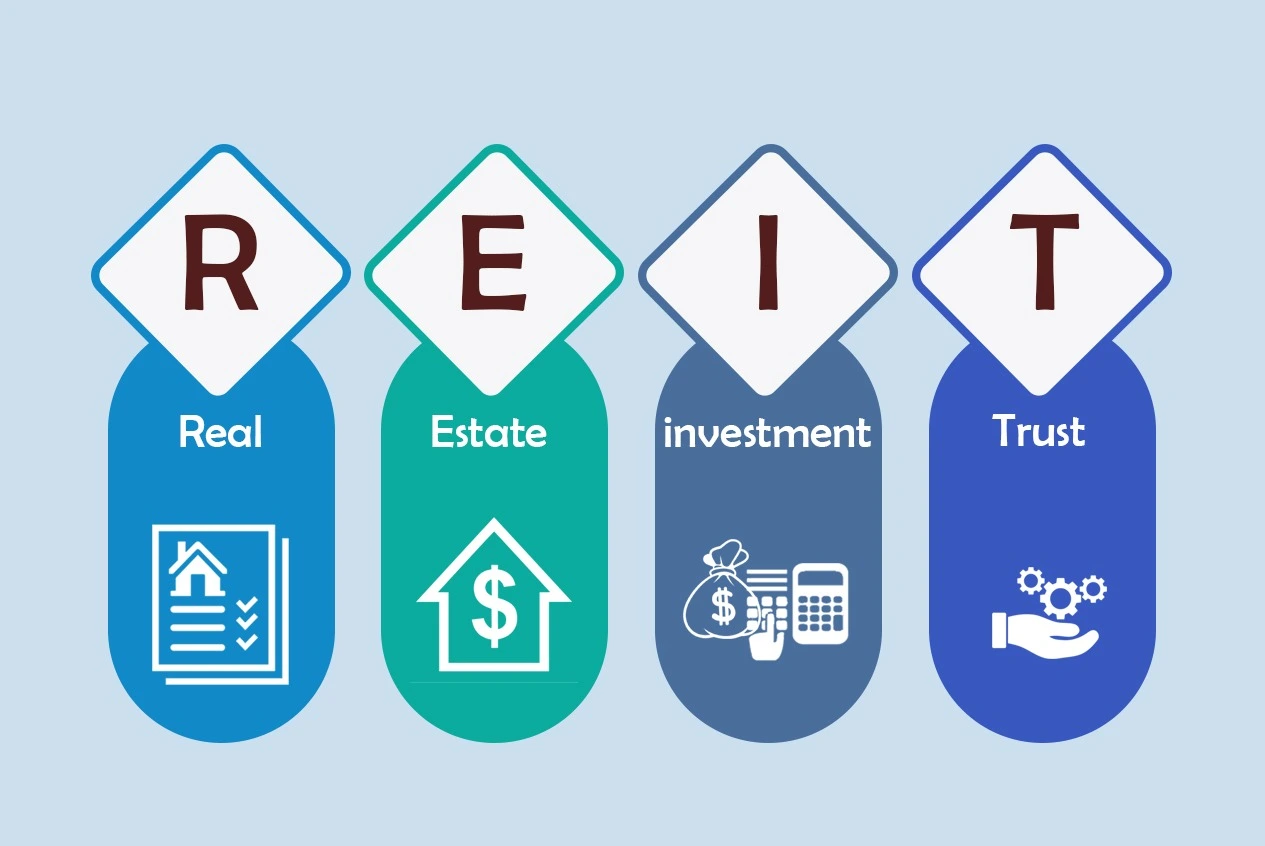
If a platform exceeds this range without providing superior liquidity or automated compliance features, it risks being priced out of the institutional market. To conduct an effective audit of your pricing, map your costs against these three categories:
- Issuance Fees: Should reflect the complexity of legal structuring and smart contract auditing. High-end platforms often bundle these into a one-time fee of 1-3% of the total raise.
- Maintenance and Compliance: These are recurring operational costs. Platforms that charge more than 0.5% annually for ongoing cap table management and KYC/AML updates often face resistance from asset managers seeking lean operations.
- Liquidity Incentives: Consider a rebate structure where secondary market trading fees are partially returned to the primary issuer or the liquidity provider, effectively lowering the cost of capital over the asset’s lifecycle.
When benchmarking, ensure you are comparing like-for-like. A platform offering full-stack tokenization—including legal counsel, regulatory filing, and custodial services—will naturally command higher fees than a white-label software provider.
If your platform’s cost-to-AUM ratio sits above 200 bps, you must justify the premium through tangible metrics such as faster settlement times, lower minimum investment thresholds, or access to a proprietary investor network. Failing to align these costs with the value delivered often leads to capital flight toward more cost-efficient, automated protocols.
Frequently Asked Questions
Common fee structures in real estate tokenization
Most platforms utilize a combination of initial issuance fees, smart contract maintenance charges, and secondary market transaction commissions. Some providers also charge a percentage of the total asset value (AUM) for ongoing compliance and reporting services.
Liquidity implications of platform pricing models
Excessive transaction fees or high minimum investment thresholds can create friction in secondary markets. When pricing models are not aligned with the asset’s yield profile, they often discourage frequent trading, effectively locking capital and reducing the liquidity advantage of tokenization.


