



Core security architecture differences
When deciding between Binance Wallet vs Hardware Wallets, the fundamental distinction lies in how each manages private keys and the attack surface exposed to the internet. Binance Wallet functions as a semi-custodial interface integrated into the exchange ecosystem, whereas hardware wallets operate as physical devices designed to keep private keys offline at all times.
Choosing between these options requires understanding how each manages the cryptographic secrets that control your assets.
MPC technology in Binance Wallet
Binance Wallet utilizes Multi-Party Computation (MPC) to enhance the security of its non-custodial offerings. Instead of generating a single private key that could be compromised if stolen, MPC splits the key into multiple mathematical shares. These shares are distributed across different environments—typically one on the user’s device, one on Binance’s servers, and a third in a secure backup location.
To authorize a transaction, these shares perform a computation to sign the request without ever reconstructing the full private key in one place. This architecture effectively removes the single point of failure inherent in traditional single-key systems, providing a layer of protection against device theft or server-side breaches.
Air-gapped isolation of Hardware Wallets
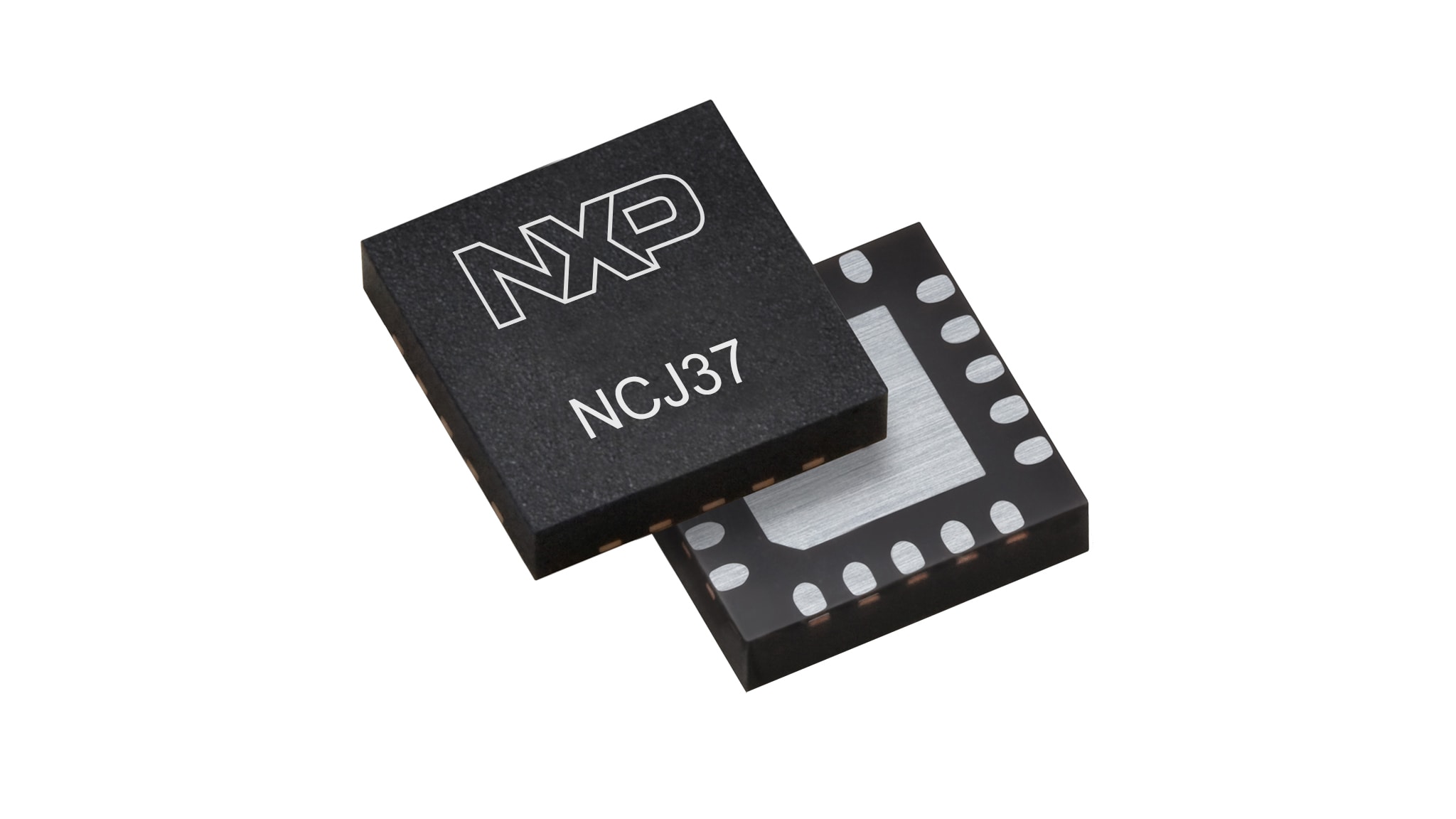
Hardware wallets, such as those produced by Ledger or Trezor, rely on the principle of air-gapped isolation to secure assets. The private key is generated and stored inside a dedicated Secure Element (SE) chip, which is physically incapable of exporting the key to an external computer or network.
When a transaction is initiated, the unsigned data is sent to the device, where it is signed internally before being broadcast back to the network. Because the device never connects directly to the internet, it remains immune to remote malware, keyloggers, or phishing attempts that target software-based wallets. This physical separation is the primary reason hardware wallets remain the industry standard for long-term cold storage.
Operational efficiency in Binance Wallet vs Hardware Wallets
Choosing between a custodial solution like the Binance Wallet and a self-custody hardware device involves a direct trade-off between execution speed and security protocols. Binance Wallet operates within the exchange ecosystem, allowing for near-instantaneous order matching and asset movement.
Conversely, hardware wallets like Ledger or Trezor prioritize the isolation of private keys, which introduces physical steps into every transaction lifecycle.
Speed and dApp integration advantages of Binance Wallet for DeFi

Binance Wallet offers seamless connectivity to the Binance Smart Chain (BSC) and integrated dApps. Because the wallet is natively linked to the exchange infrastructure, users can execute trades, stake assets, or participate in liquidity pools without the need for manual signature confirmation on an external device. If you are exploring these features, learning how to use binance web3 wallet for dapps can help you optimize your workflow.
This architecture is optimized for high-frequency interactions where timing is critical. For instance, when interacting with decentralized exchanges (DEXs) or yield aggregators, the wallet automatically handles gas fee estimations and transaction broadcasting. This removes the latency associated with manual network fee adjustments, making it the preferred choice for traders who require rapid deployment of capital during market volatility. Users interested in the range of supported applications can check the Binance Web3 Wallet dApp compatibility list.
Latency and friction in hardware signing for daily trading
Hardware wallets introduce a mandatory physical layer of security that inherently slows down the transaction process. Every time you initiate a transfer or approve a smart contract interaction, you must physically interact with the device—typically by pressing buttons or confirming the transaction on a small OLED screen. This process, while essential for preventing remote hacking attempts, creates significant friction for daily trading.
The latency is not just in the button press; it involves the time taken for the device to wake up, establish a secure USB or Bluetooth connection, and cryptographically sign the transaction. In a fast-moving market, this delay can result in slippage or missed entry points. Furthermore, hardware wallets often require users to manually input or verify contract addresses on the device screen, a process that is prone to human error if done in haste.
Risk management and recovery mechanisms
Risk management remains the primary differentiator when evaluating Binance Wallet vs Hardware Wallets. Binance Wallet operates as a custodial or semi-custodial solution depending on the specific product configuration, meaning the platform manages the underlying infrastructure.
Conversely, hardware wallets like Ledger or Trezor place the entire burden of security on the user, requiring rigorous adherence to physical and digital safety protocols.
Seed phrase management vs cloud backups
The core of hardware wallet security is the BIP-39 seed phrase. When you initialize a device, you are responsible for transcribing these 12 to 24 words onto a physical medium, such as a steel plate or fireproof paper. If this physical copy is lost, destroyed, or stolen, your assets are permanently unrecoverable. There is no “forgot password” link for a hardware wallet; the private keys exist solely on the offline chip of the device.

Binance Wallet, particularly when utilizing its MPC (Multi-Party Computation) recovery features, offers a different risk profile. Through the Binance cloud backup mechanism, the wallet splits your private key into shards. One shard is encrypted and stored on your iCloud or Google Drive, while another remains with the service provider. This allows for account recovery if you lose your primary device, provided you maintain access to your cloud credentials. For more comprehensive support, users can consult a Binance Wallet troubleshooting guide.
While this significantly lowers the barrier to entry for non-technical users, it introduces a reliance on third-party infrastructure and account security. If your email or cloud account is compromised, the recovery mechanism itself becomes a potential attack vector.
Capital allocation strategy
Determining the optimal split between a centralized exchange (CEX) wallet and a cold storage device requires a clear assessment of your investment horizon and risk tolerance. A balanced approach typically involves keeping only the capital necessary for immediate tactical moves on the exchange, while migrating the bulk of your portfolio to self-custody.
Active trading liquidity requirements
Maintaining assets within a Binance Wallet is essential for traders who prioritize speed and execution efficiency. When you keep funds on the exchange, you bypass the latency of blockchain confirmations and the gas fees associated with transferring assets from a hardware wallet to a trading platform. This liquidity is critical during high-volatility events where rapid order execution—such as placing limit orders or participating in launchpad events—can be the difference between profit and loss.
If you are actively managing a portfolio with daily or weekly turnover, your Binance Wallet serves as your primary operating account. However, this convenience comes with counterparty risk. Only allocate the specific amount of capital you intend to trade within the next 30 days to this environment. Treat the exchange balance as a ‘hot’ liquidity pool rather than a long-term savings account.
Cold storage for long-term holdings
Hardware wallets, such as Ledger or Trezor, provide the security necessary for assets you do not intend to sell in the near future. The threshold for moving assets to cold storage should be based on your personal ‘pain point’—the amount of capital that, if lost to an exchange hack or account freeze, would significantly impact your financial stability.
A common professional practice is to move assets to a hardware device once the value exceeds a specific dollar threshold, such as $1,000 or $5,000, depending on your portfolio size. By isolating these funds on an offline device, you eliminate the risk of server-side vulnerabilities and unauthorized account access.
When comparing Binance Wallet vs Hardware Wallets, remember that the former is a tool for utility and velocity, while the latter is a tool for preservation and sovereignty. Once your assets are moved to a hardware device, they are effectively removed from the circulating supply of your trading capital, forcing a disciplined separation between your speculative activities and your core wealth.
Regulatory and privacy considerations
Choosing between a centralized exchange service and a self-custody device involves distinct trade-offs regarding data exposure and legal jurisdiction. When using the Binance Wallet, you are interacting with a custodial environment subject to Know Your Customer (KYC) and Anti-Money Laundering (AML) protocols.
This means your transaction history, account balance, and personal identity are linked within the exchange’s internal database, which may be subject to government subpoenas or regulatory reporting requirements depending on your country of residence.
Privacy implications of Binance Wallet vs Hardware Wallets
The primary privacy distinction lies in the concept of pseudonymity versus transparency. A hardware wallet, such as a Ledger Nano X or Trezor Model T, allows you to generate addresses offline. As long as you do not link your public address to a verified exchange account, your on-chain activity remains pseudonymous. You retain full control over your private keys, meaning no third party can freeze your assets or demand your transaction history without your direct cooperation.

Conversely, Binance operates under strict regulatory compliance frameworks. If you hold significant assets in their wallet, the platform is legally obligated to maintain records of your activity. This creates a centralized point of failure for your privacy. Understanding and adjusting Binance Web3 Wallet privacy settings for dApps can help mitigate some of these risks. If the exchange suffers a data breach or is compelled by a court order to disclose user information, your financial footprint becomes visible to external entities.
However, hardware wallets introduce their own set of privacy risks if managed incorrectly. If you purchase a device from an unauthorized reseller, it could be tampered with to compromise your seed phrase. Furthermore, if you use a hardware wallet to interact with decentralized finance (DeFi) protocols that require wallet connection, your public address may be indexed by blockchain analytics firms.
Technical limitations and edge cases
When evaluating Binance Wallet vs Hardware Wallets, users must account for specific technical constraints that can impact asset recovery and accessibility. Binance Wallet, as a custodial solution, relies entirely on the platform’s infrastructure. If the exchange faces downtime, maintenance, or regulatory restrictions in your jurisdiction, your ability to initiate withdrawals is effectively frozen. Users encountering such issues may need to know how to fix Binance Wallet connection errors.
Hardware wallets introduce their own set of technical edge cases, primarily regarding physical security and firmware integrity. If you lose your recovery seed phrase, the assets on a hardware wallet are permanently unrecoverable, as there is no centralized support desk to reset credentials. Furthermore, hardware wallets are susceptible to supply chain attacks if purchased from unauthorized third-party resellers.
Another critical distinction involves smart contract interaction. Binance Wallet provides a seamless interface for interacting with Binance Smart Chain (BSC) dApps, often pre-approving certain contract permissions. Hardware wallets require manual confirmation for every transaction on the device screen. While this adds a layer of security, it can lead to “blind signing” risks where users approve malicious contract interactions without fully understanding the underlying function calls. For those managing diverse assets, understanding how to manage multi-chain dapps in binance wallet is essential to avoid these pitfalls.
Decision matrix for crypto asset management
Choosing between a Binance Wallet and a hardware wallet requires a clear assessment of your risk tolerance, trading frequency, and the total value of your portfolio. Most sophisticated investors do not choose one exclusively but instead utilize a hybrid strategy to balance liquidity with security.
Optimal use cases for Binance Wallet
The Binance Wallet is optimized for active traders who require immediate access to liquidity. If you are day trading, utilizing staking services within the Binance Earn ecosystem, or frequently converting between assets, the exchange wallet provides the necessary speed. It eliminates the friction of blockchain transaction fees and wait times associated with moving funds from cold storage to an exchange order book.
- High-frequency trading: Essential for executing limit orders and reacting to market volatility without delay.
- Staking and DeFi: Simplifies participation in Binance Launchpool or Simple Earn products without managing private keys or complex smart contract interactions.
- Small capital allocations: Suitable for “hot” funds—amounts you are comfortable risking or actively deploying in the market.
Prioritization criteria for hardware wallets
Hardware wallets like Ledger Nano X or Trezor Model T are non-negotiable for long-term “cold” storage. These devices keep your private keys offline, protecting your assets from exchange-level hacks, phishing attacks, or platform insolvency. If your portfolio size exceeds what you would be comfortable losing in a security breach, moving the majority of your holdings to a hardware device is the industry standard for risk mitigation.
- Long-term holding: Ideal for “HODLing” assets where you do not need to interact with the market for months or years.
- Asset recovery: Provides a robust recovery seed phrase mechanism that allows you to regain access to your funds even if the physical device is lost or destroyed.
- Security isolation: Protects against malware or keyloggers on your personal computer, as transactions must be physically confirmed on the device hardware.
Frequently Asked Questions
Scenarios for prioritizing Binance Wallet over hardware devices
Binance Wallet is best suited for active participation in decentralized finance (DeFi) protocols, frequent token swaps, and managing assets that require rapid deployment. It eliminates the physical friction of signing transactions on a hardware device while maintaining self-custody of your private keys. For example, users often find it efficient when they connect binance web3 wallet to pancake swap for quick liquidity provision.
Security comparisons between hardware wallets and Binance Wallet
Hardware wallets provide superior security for long-term storage because they keep private keys offline in a secure element, immune to malware or phishing attacks targeting internet-connected devices. However, Binance Wallet offers a higher level of security than standard hot wallets through its Multi-Party Computation (MPC) technology, which eliminates a single point of failure. Industry leaders, including binance cmo rachel Conlan, frequently emphasize the importance of these security innovations in the evolving digital asset landscape.


