



Market positioning for NFT asset consolidation
Importing external NFTs to Binance Web3 Wallet serves as a strategic move for collectors looking to centralize their digital holdings within a high-utility ecosystem. By moving assets from fragmented cold storage or secondary wallets into the Binance interface, users gain immediate oversight of their portfolio valuation without needing to manage multiple private keys or browser extensions, simplifying how to manage NFTs in Binance Wallet.
This consolidation simplifies the management process, allowing for real-time tracking of floor prices and rarity traits directly through the Binance app. If you are looking to optimize your digital asset strategy, understanding the using binance web3 wallet for nft marketplaces framework is essential for maximizing your returns.
Liquidity access and cross-chain utility
The primary advantage of importing external NFTs to Binance Web3 Wallet lies in the seamless bridge it creates between static digital art and active decentralized finance (DeFi) protocols. Once an NFT is imported, it is no longer siloed; it becomes a functional asset within the Binance integrated dApp ecosystem. Users can interact with various NFT marketplaces, lending platforms, and gaming dApps that are natively supported by the wallet’s infrastructure, simplifying how to manage multi-chain dApps.

For instance, if you hold an NFT on a different chain, importing it into the Binance Web3 environment allows you to utilize the wallet’s built-in cross-chain bridge functionality. This mechanism reduces the friction typically associated with moving assets between disparate networks like Ethereum, BNB Chain, or Polygon.
By centralizing these assets, you can participate in liquidity pools or collateralized loan agreements that require specific NFT assets as underlying security. The integration ensures that you maintain self-custody of your private keys while simultaneously benefiting from the high-speed transaction processing and optimized gas fee management that the Binance infrastructure provides. This approach effectively transforms idle digital collectibles into active participants in your broader crypto financial strategy, a key aspect when considering Binance Wallet vs Hardware Wallets.
Technical prerequisites for importing external NFTs to Binance Web3 Wallet
Before initiating the transfer of digital assets, ensure your Binance Web3 Wallet is fully initialized and backed up, referring to a Binance wallet troubleshooting guide if needed. The import process relies on the wallet’s ability to index assets residing on specific blockchains. You must have a small amount of the native network token—such as ETH for Ethereum or BNB for BNB Smart Chain—in your source wallet to cover gas fees for the transaction. Without sufficient native tokens, the network will reject the transfer request, leaving your assets stranded in the external wallet.
Supported token standards and network limitations
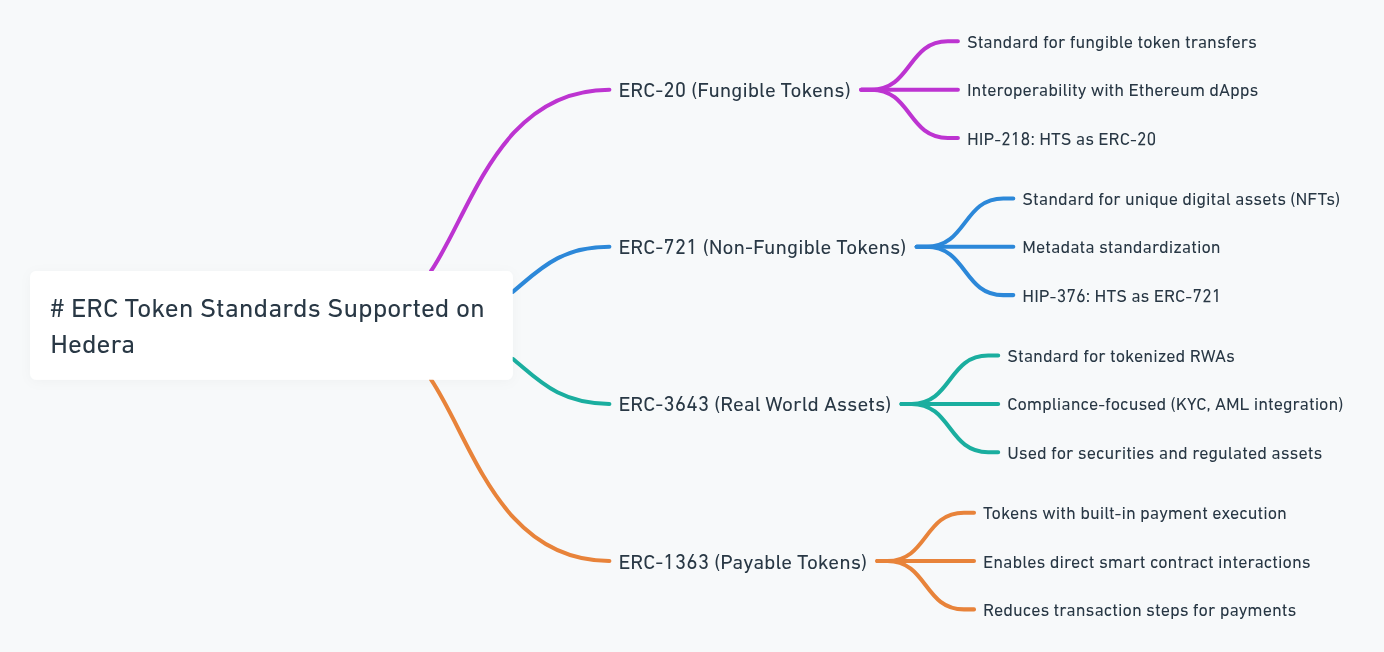
The Binance Web3 Wallet interface is primarily optimized for the most common NFT standards. Specifically, it supports ERC-721 and ERC-1155 tokens on the Ethereum and BNB Smart Chain networks. While these standards cover the vast majority of mainstream collections, users should be aware of specific limitations regarding metadata rendering and network compatibility:
- ERC-721 Compatibility: This standard, which represents unique, non-fungible assets, is fully supported. The wallet interface will automatically fetch metadata, including the image URI and collection name, provided the contract follows standard OpenSea or EIP-721 metadata structures.
- ERC-1155 Compatibility: The wallet supports multi-token standards, allowing for the display of semi-fungible assets. However, if a collection uses non-standard metadata implementation, the asset may appear as a generic placeholder icon rather than the intended visual artwork.
- Network Restrictions: Importing external NFTs to Binance Web3 Wallet is currently restricted to EVM-compatible chains integrated into the Binance ecosystem. Assets held on non-EVM chains, such as Solana or Bitcoin Ordinals, cannot be imported directly through the standard interface. Attempting to bridge these assets without using a dedicated cross-chain protocol will result in a permanent loss of access.
To verify if your specific NFT is compatible, check the contract address on a block explorer like Etherscan or BscScan. If the contract is verified and adheres to standard interfaces, the Binance Web3 Wallet will typically detect and display the asset within the ‘NFTs’ tab shortly after the transaction is confirmed on-chain. If the asset remains invisible after a successful transfer, use the ‘Refresh’ function within the wallet settings to force a re-index of your wallet’s holdings.
Step-by-step asset integration workflow
The process of importing external NFTs to Binance Web3 Wallet requires precise manual input to ensure the assets appear correctly within the interface. Since the wallet does not automatically index every niche collection, users must bridge the gap by providing specific contract data. This process ensures your digital assets remain under your control while benefiting from the wallet’s integrated security features.
Locating contract addresses and token IDs

Before initiating the import, you must retrieve the exact metadata for your asset. The most reliable method is using block explorers like Etherscan for Ethereum-based assets or BscScan for BNB Chain assets. Follow these steps to ensure accuracy:
- Navigate to the official block explorer corresponding to the network where your NFT resides.
- Search for your wallet address to view your portfolio, or search for the specific collection name to find the contract address.
- Click on the specific NFT transaction or the asset page to view the ‘Contract Address’ and the ‘Token ID’.
- Copy these strings exactly; even a single character error will result in a failed import or a ‘not found’ status.
Once you have the contract address and the unique Token ID, open your Binance Web3 Wallet and navigate to the ‘NFTs’ tab. Select the ‘Import’ or ‘Add’ function. You will be prompted to paste the contract address first. The system will then attempt to pull the metadata. If the collection is verified, the interface will populate the asset details. Input the specific Token ID to finalize the link.
If the NFT does not appear immediately, verify that you are connected to the correct network, as attempting to import an Ethereum-based NFT while the wallet is set to the BNB Chain will prevent the asset from loading. Always verify that the contract address matches the official collection link provided on the project’s verified social media or OpenSea profile. Malicious actors often create ‘look-alike’ contracts that mimic popular collections. Interacting with these fraudulent contracts can expose your wallet to security risks, making it crucial to enable 2FA on Binance wallet for added protection.
Risk mitigation during external asset transfers
Moving digital collectibles across blockchain ecosystems introduces specific vulnerabilities, primarily related to smart contract interactions and malicious dApps. When importing external NFTs to Binance Web3 Wallet, users must treat the process as a high-stakes transaction, as irreversible errors can lead to total asset loss. It is also wise to review your binance web3 wallet privacy settings for dapps to ensure your activity remains secure.
Security protocols for managing non-native assets
Before initiating any transfer, verify the authenticity of the NFT collection by cross-referencing the contract address on block explorers like Etherscan or Polygonscan. Scammers frequently deploy fake collections that mimic the metadata and visual appearance of high-value projects. Always check the official project website or verified social channels to confirm the contract address matches the one you are interacting with.
- Check Contract Source Code: Ensure the contract has been verified on the blockchain explorer. Unverified contracts are a primary red flag for phishing attempts.
- Review Permissions: When connecting your wallet to an external marketplace or bridge, use tools like Revoke.cash to inspect and remove unnecessary token approvals. Never grant ‘infinite’ spending permissions to unknown protocols.
- Use Hardware Wallets for Storage: If you hold high-value NFTs, consider using a hardware wallet as the primary vault, learning how to set up a hardware wallet for the first time if needed. Only import assets to your Binance Web3 Wallet when you are ready to list them for sale or actively trade.
- Monitor Gas Fees: Unexpectedly high gas fees during an import process can indicate a malicious contract attempting to drain your wallet balance. If the estimated fee seems disproportionate to standard network activity, abort the transaction immediately.
By treating the Binance Web3 Wallet as a gateway rather than a long-term cold storage solution for unverified assets, you isolate potential risks. Always perform a test transaction with a low-value asset if you are unsure about the compatibility or security of a specific NFT collection. This practice confirms that the bridge or import function is operating correctly without exposing your primary holdings to potential smart contract vulnerabilities.
Evaluating the trade-offs of custodial versus non-custodial management
Importing external NFTs to Binance Web3 Wallet shifts your assets from a cold storage or third-party environment into a hot, MPC-based (Multi-Party Computation) wallet. While this provides immediate liquidity for trading on the Binance NFT marketplace, it alters the security profile of your digital collectibles. A non-custodial wallet like Binance Web3 requires active management of your recovery phrase, whereas external hardware wallets offer an air-gapped layer of protection that is physically disconnected from the internet. For those exploring broader ecosystem interactions, learning how to use binance web3 wallet for dapps is a crucial step in balancing convenience and security.

Strategic criteria for maintaining assets in external hardware wallets
Determining the threshold for moving high-value assets into a hot wallet environment depends on your frequency of interaction. If an NFT is part of a long-term investment strategy or serves as a high-value store of value—such as a rare blue-chip collection—the risk of exposing the asset to a connected interface outweighs the convenience of rapid trading.
Hardware wallets like Ledger or Trezor remain the industry standard for these assets because they require physical confirmation for every transaction, preventing remote malicious actors from draining your wallet even if your device is compromised. If you ever need to clean up your connections, knowing how to disconnect binance web3 wallet from dapps is vital for maintaining a secure environment.
- The NFT has a floor price exceeding your personal risk tolerance for hot wallet exposure.
- You do not intend to list the asset for sale or use it as collateral in decentralized finance (DeFi) protocols within the next 90 days.
- You lack a dedicated, secure device for managing your Binance Web3 Wallet seed phrase.
Conversely, importing external NFTs to Binance Web3 Wallet is most advantageous for active traders who need to move quickly during market volatility. By centralizing your collection, you bypass the latency of transferring assets from a hardware device to an exchange address, which often incurs multiple gas fees and requires manual approval steps. Weighing these factors requires a clear distinction between assets held for capital appreciation and those held for active market participation.
Frequently Asked Questions
Compatibility constraints for external NFT imports
You can import NFTs that exist on networks supported by the Binance Web3 Wallet, such as Ethereum, BNB Smart Chain, and Polygon. The asset must be compatible with the wallet’s supported token standards (e.g., ERC-721 or ERC-1155). You can also consult the binance web3 wallet dapp compatibility list to see which platforms are fully integrated.
Ownership status verification post-import
No. Importing an NFT simply makes the asset visible and manageable within the Binance Web3 Wallet interface. You retain full ownership and control of the asset via your private keys.


