



What is a crypto exchange? Choosing a secure platform in 2026
A crypto exchange is a digital marketplace where users buy, sell, and trade cryptocurrencies for fiat or other digital assets. Understanding what a crypto exchange is and how to choose a secure platform in 2026 is essential for protecting your capital while navigating the digital asset market.
Centralized vs. Decentralized Exchanges
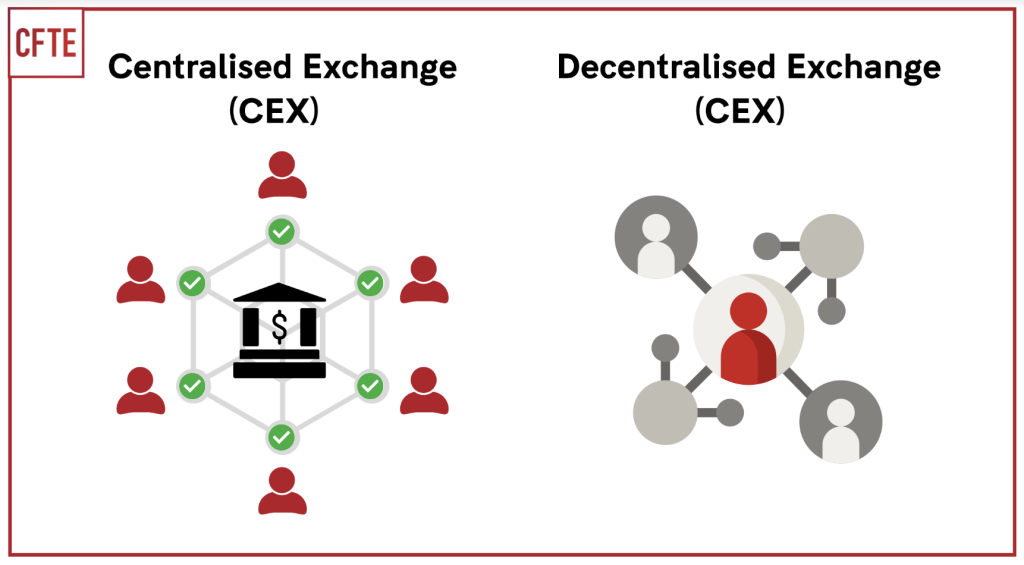
Crypto exchanges primarily come in two forms: centralized exchanges (CEX) and decentralized exchanges (DEX). Understanding their fundamental differences is essential for users to choose the right platform for their specific needs and risk tolerance.
- Centralized Exchanges (CEX)
These platforms are operated by companies that act as intermediaries, similar to traditional banks or brokerage firms. Users create accounts, deposit funds, and trade through the platform’s interface. The exchange manages order books, holds user funds in custodial wallets, and typically provides customer support and a range of advanced features.
Pros: High liquidity, user-friendly interfaces, support for fiat currency deposits and withdrawals (fiat on-ramps), and a wide range of features like margin trading, futures, and staking. Many offer robust customer support.
Cons: Users do not control their private keys, introducing custodial risks. They are subject to regulatory oversight, potential security breaches, and single points of failure. KYC (Know Your Customer) verification is mandatory, impacting user privacy.
- Decentralized Exchanges (DEX)
These platforms leverage blockchain technology to enable users to trade directly from their crypto wallets, without the need for a central authority. DEXs operate using smart contracts and automated market maker (AMM) protocols.
Pros: Users retain full control of their funds and private keys, offering greater privacy and reduced censorship risk. They are less susceptible to single points of failure and regulatory shutdowns.
Cons: Generally lower liquidity compared to CEXs, less intuitive interfaces for beginners, limited or no direct fiat support, and fewer advanced trading features. Transaction fees (gas fees) can be unpredictable, especially on busy networks.
Suggest: Types of Crypto Exchanges: A Complete Guide to CEX, DEX, Hybrid, and P2P Platforms
The Evolution of Crypto Exchanges
The journey of crypto exchanges began shortly after Bitcoin’s inception, evolving significantly over the past decade. Early platforms laid the groundwork but were often rudimentary and vulnerable to security flaws.
- Early Platforms (2010-2013): Pioneers like BitcoinMarket.com and Mt. Gox emerged, facilitating the first peer-to-peer Bitcoin trades. These platforms were largely unregulated and experimental.
- The Mt. Gox Collapse (2014): Once the world’s largest crypto exchange, Mt. Gox suffered a devastating hack, leading to the loss of hundreds of thousands of Bitcoins. This event underscored the critical need for enhanced security, regulation, and transparency within the nascent industry.
- Rise of Major Centralized Players (2017-Present): The launch of exchanges like Binance in 2017, alongside established platforms such as Coinbase and Kraken, marked a new era. These platforms introduced lower fees, a vast selection of tokens, and user-focused innovations, serving millions globally.
- The Decentralization Movement (2019-Present): With the explosion of Decentralized Finance (DeFi), decentralized exchanges like Uniswap and PancakeSwap gained prominence. These platforms offered new ways to trade, swap, and earn without central intermediaries, emphasizing user control and censorship resistance.
Modern exchanges have expanded far beyond simple trading, now offering features like staking, lending, futures trading, NFT marketplaces, and integrated wallets, catering to both retail and institutional investors.
Why Use a Crypto Exchange?
People utilize crypto exchanges for a variety of reasons, serving as essential tools for engaging with the digital asset economy.
- Binance
- Buying and Selling Crypto: The most fundamental use is to easily convert traditional fiat currency into cryptocurrencies or to trade between different digital assets.
- Investment and Trading: Exchanges provide access to advanced trading tools, real-time charting, and market data for various strategies, including spot trading, margin trading, and futures contracts.
- Wallet Services: Many centralized exchanges offer custodial wallet services, allowing users to store their crypto securely on the platform, or provide seamless integration with external non-custodial wallets.
- Earning Opportunities: Users can leverage exchange features like staking, lending, savings products, and liquidity pools to generate passive income from their digital assets.
- Access to New Tokens: Exchanges are often the first platforms to list new cryptocurrencies, allowing users to participate in token launches, airdrops, and emerging blockchain projects.
A reliable crypto exchange empowers users to enter, participate, and thrive in the dynamic crypto market, acting as a crucial bridge between traditional finance and the blockchain-powered future.
How Crypto Exchanges Operate
A crypto exchange works by matching buy and sell orders between users. When someone places a buy order for Bitcoin, for example, the platform’s matching engine looks for a corresponding sell order at the desired price. Once matched, the exchange facilitates the trade and updates the account balances of both parties instantly.
Centralized exchanges utilize an order book system to track supply and demand, where users deposit funds into the platform, which then manages the trade execution and asset custody. In contrast, decentralized exchanges rely on smart contracts and automated market makers (AMMs) to enable peer-to-peer trading directly from users’ wallets, without an intermediary.
Key processes involved in using most crypto exchanges include:
- User registration and verification (KYC): For CEXs, this involves submitting personal identification to comply with anti-money laundering (AML) regulations.
- Wallet address creation and fund deposit: Users generate a unique deposit address on the exchange for specific cryptocurrencies or transfer fiat currency via bank transfer, credit card, or other payment methods.
- Placing buy/sell orders on the trading interface: Users specify the asset, quantity, and price (market order for immediate execution, limit order for a specific price).
- Order matching and trade execution: The exchange’s system matches compatible buy and sell orders.
- Withdrawals back to private wallets or bank accounts: Users can transfer their purchased crypto to a personal wallet for greater security or convert it back to fiat and withdraw to their bank.
| Security Feature | Description |
|---|---|
| Two-Factor Authentication (2FA) | Adds an extra layer of login security using apps like Google Authenticator or SMS codes. |
| Cold Storage | Majority of user funds are stored offline to prevent hacking attempts. |
| Withdrawal Whitelisting | Allows withdrawals only to pre-approved wallet addresses. |
| Bug Bounty Program | Rewards ethical hackers for reporting platform vulnerabilities. |
| Regulatory Licenses | Operates under financial authorities like FinCEN, MAS, or FCA for added legitimacy. |
Most platforms also charge trading fees, typically a small percentage of each transaction. These fees can vary based on trading volume, user tier, or whether the user is a ‘maker’ (adding liquidity to the order book) or a ‘taker’ (removing liquidity).
Choosing a Crypto Exchange: Key Considerations
When selecting a crypto exchange, you should consider several essential factors to ensure security, convenience, and long-term usability. The right choice depends on your experience level, trading goals, and geographical location.
- Binance
- Security Measures: Prioritize platforms with robust security features such as two-factor authentication (2FA), cold storage for the majority of user funds, and insurance funds (like Binance’s SAFU fund) to protect against potential breaches.
- Regulatory Compliance: Opt for exchanges that comply with local financial regulations and have strong Know Your Customer (KYC) and Anti-Money Laundering (AML) policies. This indicates a commitment to legal operation and user protection.
- User Interface and Experience: Beginners benefit significantly from intuitive design and easy navigation. Test the platform’s interface to ensure it aligns with your comfort level.
- Trading Volume and Liquidity: High trading volume ensures good liquidity, allowing for faster and more accurate trade execution without significant price slippage, especially for larger orders.
- Available Cryptocurrencies: Ensure the exchange supports the specific cryptocurrencies you intend to trade. Some offer hundreds of altcoins, while others focus on a smaller selection of top assets.
- Supported Fiat Currencies and Payment Methods: If you plan to deposit or withdraw fiat currency, verify that the platform supports your local currency and preferred payment methods (e.g., bank transfer, credit/debit card, PayPal).
- Customer Support: Reliable and responsive customer support (ideally 24/7 and multilingual) is crucial for resolving issues quickly, especially for new users.
- Mobile App Availability and Functionality: A well-designed and powerful mobile application enables convenient trading and portfolio management on the go.
Selecting the right platform based on your goals and experience level can significantly impact your crypto journey, making it smoother and more secure.
Pros and Cons of Crypto Exchanges
- Easy access to buy, sell, and hold digital assets for fiat or other crypto.
- Access to a wide range of coins and diverse trading pairs.
- Advanced tools for charting, technical analysis, and various order types.
- Opportunities for passive income through staking, lending, and savings products.
- High liquidity for popular assets, ensuring efficient trade execution.
- Often provide integrated wallet services and educational resources.
- Custodial risks, particularly on CEXs, where users don’t control private keys.
- Vulnerability to hacks, scams, and phishing attacks, despite security measures.
- KYC requirements may limit privacy for some users.
- Subject to regulatory uncertainties and potential government intervention in certain countries.
- Trading, deposit, and withdrawal fees can accumulate, impacting profitability.
- DEXs can have lower liquidity and higher gas fees during network congestion.
Always employ secure practices, such as strong passwords and 2FA, and choose reputable platforms to minimize the inherent risks associated with trading digital assets.
Are Crypto Exchanges Secure?
Crypto exchanges can be secure if they implement robust security systems and adhere to strict compliance protocols. However, the level of security varies significantly between platforms. The safety of your assets depends on both the exchange’s infrastructure and your personal security practices.
A truly secure exchange typically incorporates:
- Two-Factor Authentication (2FA): Adds an extra layer of security beyond just a password.
- Cold Storage: Keeping the majority of user funds offline, away from internet-connected systems.
- Encryption: Protecting user data and communications.
- Regular Security Audits: Third-party assessments to identify and fix vulnerabilities.
- Insurance Funds: Compensation for users in case of a security breach (e.g., SAFU fund).
- Whitelisting Withdrawal Addresses: Limiting withdrawals to pre-approved addresses.
- Strong KYC/AML Policies: While impacting privacy, these deter illicit activities and enhance overall platform integrity.
| Security Feature | Description |
|---|---|
| Two-Factor Authentication (2FA) | Adds an extra layer of login security using apps like Google Authenticator or SMS codes. |
| Cold Storage | Majority of user funds are stored offline to prevent hacking attempts. |
| Withdrawal Whitelisting | Allows withdrawals only to pre-approved wallet addresses. |
| Bug Bounty Program | Rewards ethical hackers for reporting platform vulnerabilities. |
| Regulatory Licenses | Operates under financial authorities like FinCEN, MAS, or FCA for added legitimacy. |
That said, even top-tier exchanges like Binance and Coinbase have faced security incidents or regulatory challenges in the past. It is a widely recommended practice to only store assets you actively trade on an exchange. For long-term holdings, transferring your cryptocurrencies to a secure private wallet (hardware or software) provides greater control and reduces counterparty risk.
Glossary: Essential Crypto Exchange Terms
Here are some commonly used terms you’ll encounter on any crypto exchange, understanding which will help you navigate the platforms more confidently.
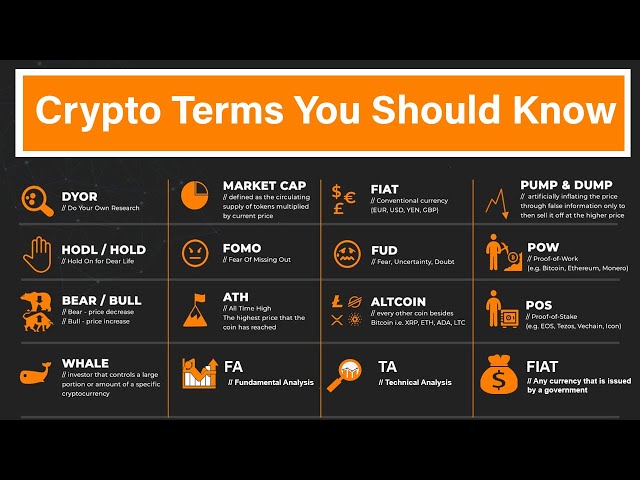
- Order Book: A real-time, dynamic list of all buy (bid) and sell (ask) orders for a specific trading pair on an exchange, showing quantity and price.
- Market Order: An instruction to buy or sell an asset immediately at the best available current market price.
- Limit Order: An instruction to buy or sell an asset only when a specific price level (or better) is reached. It allows for precise entry/exit points.
- Liquidity: The ease with which an asset can be bought or sold without significantly impacting its price. High liquidity means many buyers and sellers.
- Stablecoin: A cryptocurrency designed to maintain a stable value, typically pegged 1:1 to a fiat currency like the US Dollar (e.g., USDT, USDC).
- Gas Fees: Transaction fees paid to network validators for processing and confirming transactions on a blockchain, particularly prevalent on DEXs and Ethereum.
- KYC (Know Your Customer): A mandatory verification process for users on centralized exchanges to comply with anti-money laundering (AML) and counter-terrorist financing (CTF) regulations.
- Altcoin: Any cryptocurrency other than Bitcoin. This broad category includes Ethereum, Solana, Ripple, and thousands of others.
Understanding these terms helps you navigate exchanges more confidently and avoid costly mistakes, ensuring a smoother trading experience.
Key Takeaways
A crypto exchange is more than just a trading platform; it serves as your primary entry point into the dynamic cryptocurrency ecosystem. From the early, unregulated days of Bitcoin trading to today’s sophisticated and diverse platforms, exchanges continue to evolve, offering more features, enhanced security, and easier access for users worldwide.
When embarking on your crypto journey, always prioritize security by choosing reputable platforms with robust safeguards. Stay informed about market trends and regulatory changes, and select an exchange that best matches your individual needs, experience level, and risk appetite. Responsible engagement with these platforms is key to a successful experience in the digital asset space.
Frequently Asked Questions (FAQ)
What is the primary function of a crypto exchange?
The primary function of a crypto exchange is to facilitate the buying, selling, and trading of cryptocurrencies for other digital assets or traditional fiat currencies, acting as a bridge between users and the broader crypto market.
What is the main difference between a CEX and a DEX?
A Centralized Exchange (CEX) is operated by a company that holds user funds and manages trades, requiring KYC. A Decentralized Exchange (DEX) allows peer-to-peer trading directly from users’ wallets via smart contracts, giving users full control over their private keys and often requiring no KYC.
How do I choose a safe crypto exchange?
To choose a safe crypto exchange, look for platforms with strong security features like 2FA, cold storage, insurance funds, and a clear regulatory compliance record. Read user reviews and assess their customer support and transparency.
Can I use a crypto exchange without KYC?
Most reputable Centralized Exchanges (CEXs) require Know Your Customer (KYC) verification to comply with financial regulations. Decentralized Exchanges (DEXs), however, generally do not require KYC, allowing for more anonymous trading directly from your personal wallet.
Are my funds insured on a crypto exchange?
Some centralized crypto exchanges offer insurance funds (like Binance’s SAFU) to cover losses in specific scenarios, such as platform hacks. However, this is not universal, and the extent of coverage can vary. It’s crucial to check an exchange’s specific policies, as typical bank deposit insurance (like FDIC) does not apply to crypto assets.
This guide provides a comprehensive overview of how these platforms operate, the differences between exchange types, and how to select one that aligns with your specific security needs.
Operating similarly to traditional stock exchanges, crypto exchanges provide the infrastructure for users to place buy and sell orders, manage their digital asset portfolios, and access various trading tools. They are the primary gateway for most individuals to enter the cryptocurrency market.
This comprehensive guide will walk you through everything you need to know about crypto exchanges, including the difference between centralized exchanges (CEX) and decentralized exchanges (DEX), how to choose the right one, and how to start trading with confidence.
A crypto exchange functions as an online platform that facilitates the exchange of cryptocurrencies for other assets. These assets can include fiat currencies like USD, EUR, or VND, or other digital currencies such as Bitcoin (BTC) and Ethereum (ETH). These platforms are designed to facilitate easy and secure trading, supporting various transaction types and providing tools for both beginners and advanced traders to manage their portfolios effectively by prioritizing platforms with robust cold storage and multi-factor authentication protocols to ensure long-term asset safety.


