



If you are building a crypto-enabled application, the top 10 wallet-as-a-Service and MPC providers for developers listed below offer the APIs and SDKs needed to integrate wallet infrastructure without building key management, transaction signing, or recovery systems from scratch. These platforms abstract the underlying complexity, allowing teams to embed secure, programmable wallets directly into their products. If you are also looking for crypto press release services to ensure your brand visibility, this is a critical step in your infrastructure setup.
For teams handling digital assets, the architecture behind the wallet is just as important as the user experience. Some providers use Multi-Party Computation (MPC) or threshold-signature approaches, while others rely on trusted execution environments (TEEs), smart accounts, or combinations of these technologies. These differences can affect custody, recovery, signing, developer control, and how easily a wallet can be integrated into an existing product.
This guide looks at 10 providers that are active in the wallet infrastructure market. Rather than treating every platform as identical, the comparison focuses on architecture, developer tooling, supported use cases, and the type of product each provider is designed to support.
What Is Wallet-as-a-Service?
Wallet-as-a-Service is developer infrastructure that allows businesses to create and operate blockchain wallets through APIs and SDKs instead of building the underlying wallet stack themselves.
A typical WaaS platform can handle several layers of infrastructure, including:
- Wallet creation and provisioning
- Private-key or key-share management
- Transaction signing
- Authentication
- Wallet recovery
- Blockchain connectivity
- Asset and balance management
- Transaction monitoring
- Policy controls
- Account abstraction or smart accounts
- Webhooks and backend automation
The term Wallet-as-a-Service covers several different architectures. An embedded wallet, for example, may be created automatically when a user signs into an application. An institutional wallet infrastructure platform may instead provide APIs for treasury accounts, transaction approvals, and automated settlement.
This distinction matters because developers should evaluate the underlying security and custody model rather than selecting a provider based solely on whether it advertises “embedded wallets.”
Top 10 wallet-as-a-Service and MPC providers for developers
1. Turnkey
Turnkey takes an infrastructure-first approach to wallet development. Instead of forcing developers into a predefined wallet interface, it provides programmable wallet primitives that can be integrated into custom applications.
Its infrastructure uses secure hardware-isolated environments for key operations and supports programmatic wallet provisioning, signing controls, authentication methods, and policy-based workflows. Turnkey also supports wallets across EVM networks, Solana, Bitcoin, and other blockchain environments.
Why developers consider Turnkey
- Infrastructure-oriented rather than UI-oriented
- Programmable wallet creation
- Secure enclave-based signing
- Flexible authentication options
- Support for human and application-controlled wallets
- Suitable for backend and automated workflows
- Developer-focused SDKs and APIs
Turnkey can be particularly relevant when a team wants to build its own wallet experience while outsourcing the difficult parts of key infrastructure.
Best suited for: developers building highly customized wallet products, backend wallets, treasury infrastructure, and programmable blockchain applications.
2. Crossmint
Crossmint approaches wallet infrastructure as part of a broader blockchain application stack. Its platform provides wallets alongside authentication, stablecoin functionality, payments, tokenization, and other blockchain primitives.

Crossmint describes its wallet infrastructure as supporting users, companies, and AI agents, with APIs designed to reduce the amount of blockchain-specific infrastructure developers need to assemble themselves. Its wallet architecture also supports smart contract wallets and multiple blockchain ecosystems.
Why developers consider Crossmint
- Wallet APIs designed for product integration
- Smart contract wallet infrastructure
- Support for EVM, Solana, and other ecosystems
- Authentication and wallet functionality in one platform
- Stablecoin and payment-related infrastructure
- Useful for applications that need more than basic wallet creation
One important distinction is that Crossmint should not simply be categorized as an MPC provider. Its positioning is broader, with smart contract wallets and application-level blockchain infrastructure playing an important role.
Best suited for: consumer applications, fintech products, stablecoin applications, marketplaces, and teams looking for a broader blockchain infrastructure stack.
3. Web3Auth (Now MetaMask Embedded Wallets)
Web3Auth provides developer infrastructure for embedding non-custodial wallets into Web3 applications without requiring users to manage traditional seed phrases. The platform combines familiar authentication methods with distributed key-management infrastructure, allowing applications to create wallet experiences around social login, email authentication, and other familiar onboarding flows.
Web3Auth’s MPC infrastructure distributes key material across multiple parties and supports threshold-based signing. Its developer tooling is designed for web, mobile, and native applications, with support for multiple blockchain environments. The platform has evolved into MetaMask Embedded Wallets following Consensys’ acquisition of Web3Auth, while retaining its focus on embedded wallet infrastructure for developers.
Key capabilities
- Embedded non-custodial wallets
- MPC and threshold key-management infrastructure
- Social and passwordless authentication
- Web, mobile, and native SDKs
- Multi-chain support
- Wallet recovery mechanisms
- Customizable wallet UX
- Developer-focused wallet APIs and SDKs
- Support for EVM and non-EVM environments
One of Web3Auth’s main differentiators is the combination of familiar authentication and wallet infrastructure. Instead of asking users to immediately create and secure a seed phrase, developers can build wallet onboarding around authentication methods users already understand.
The platform is particularly relevant for applications where reducing friction during wallet creation is important while still maintaining a non-custodial architecture.
Best suited for: consumer Web3 applications, embedded wallets, gaming platforms, fintech products, and developers looking for MPC-based wallet infrastructure with flexible authentication.
4. DFNS
DFNS is an API-first wallet infrastructure platform designed around programmable digital-asset operations. It provides wallet creation, transaction management, policy controls, governance, and key-management infrastructure through APIs and SDKs.
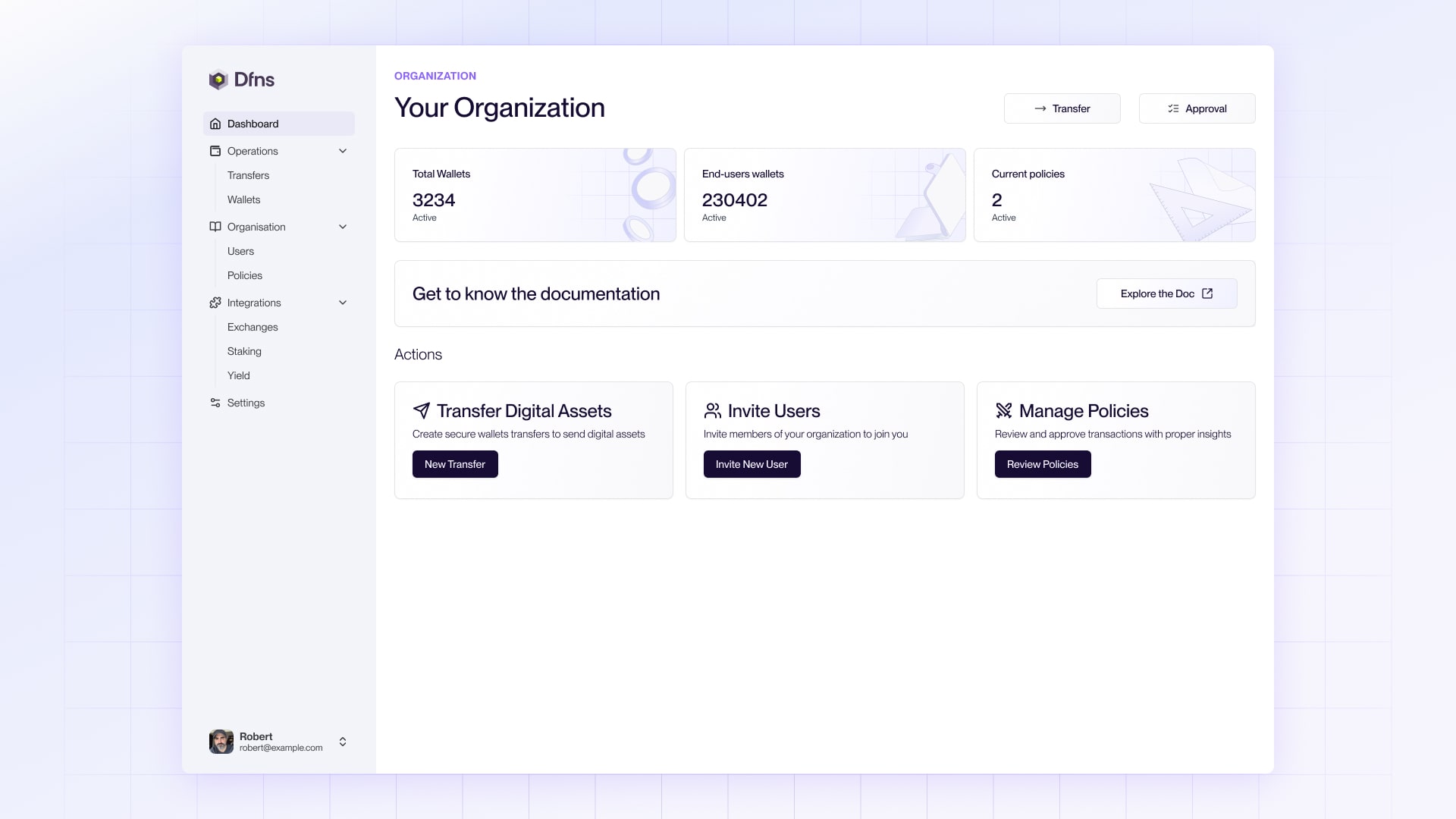
DFNS states that its infrastructure uses MPC-based key management and supports deployment models including SaaS, hybrid, and on-premises environments. Its current platform supports more than 100 networks and includes policy controls such as transaction limits, allowlists, approvals, and organizational permissions.
Key capabilities
- MPC-based wallet infrastructure
- API-first architecture
- Programmable policy engine
- Wallet hierarchies and sub-organizations
- Multi-chain support
- Transaction lifecycle management
- Institutional and end-user wallets
- SaaS, hybrid, and on-premises deployment options
DFNS is positioned more toward infrastructure-heavy financial products than simple consumer wallet onboarding.
Best suited for: fintechs, digital-asset platforms, payment infrastructure, custody products, treasury systems, and regulated financial workflows.
5. Fordefi
Fordefi combines wallet APIs with MPC infrastructure and blockchain connectivity. Its Wallet-as-a-Service offering allows developers to create user-owned wallets and integrate wallet functionality directly into their applications.
Fordefi’s developer platform supports both institutional wallets and end-user wallets, with MPC-based key management, transaction simulation, policy controls, and multi-chain connectivity.
Key capabilities
- MPC wallet infrastructure
- Wallet API
- MPC SDK
- User-owned embedded wallets
- Institutional wallet support
- Transaction simulation
- DeFi integrations
- Policy and approval controls
- Webhooks and transaction monitoring
- Support for EVM, Solana, Bitcoin, Cosmos, Sui, Aptos, and other networks
A notable feature is Fordefi’s API Signer model, which allows customers to run a signer within their own environment while participating in MPC signing.
Best suited for: DeFi applications, institutional digital-asset products, trading platforms, and applications that require stronger control over wallet operations.
6. Utila
Utila provides API-first wallet infrastructure aimed particularly at financial institutions and digital-asset businesses. Its platform allows developers to provision wallets, initiate transactions, monitor balances, receive webhooks, and automate signing workflows.
Utila positions its infrastructure around MPC security, multi-chain support, policy controls, and programmable digital-asset operations.
Key capabilities
- API-based wallet provisioning
- MPC wallet security
- Multi-chain infrastructure
- Transaction management
- Real-time webhooks
- Automated co-signing
- Governance and policy controls
- Wallet and balance monitoring
For developers, the main attraction is the ability to interact with wallet infrastructure programmatically instead of relying primarily on manual wallet-management interfaces. If you are building B2B products, you might also want to explore customer service automation platforms to streamline your client interactions.
Best suited for: fintechs, institutional platforms, exchanges, payment applications, and digital-asset operations requiring automated workflows.
7. Particle Network
Particle Network provides wallet infrastructure for developers building applications that need embedded wallets, account abstraction, and cross-chain user experiences. Its Smart Wallet-as-a-Service stack combines wallet infrastructure with MPC-TSS authentication and SDKs designed for web, mobile, and game development.
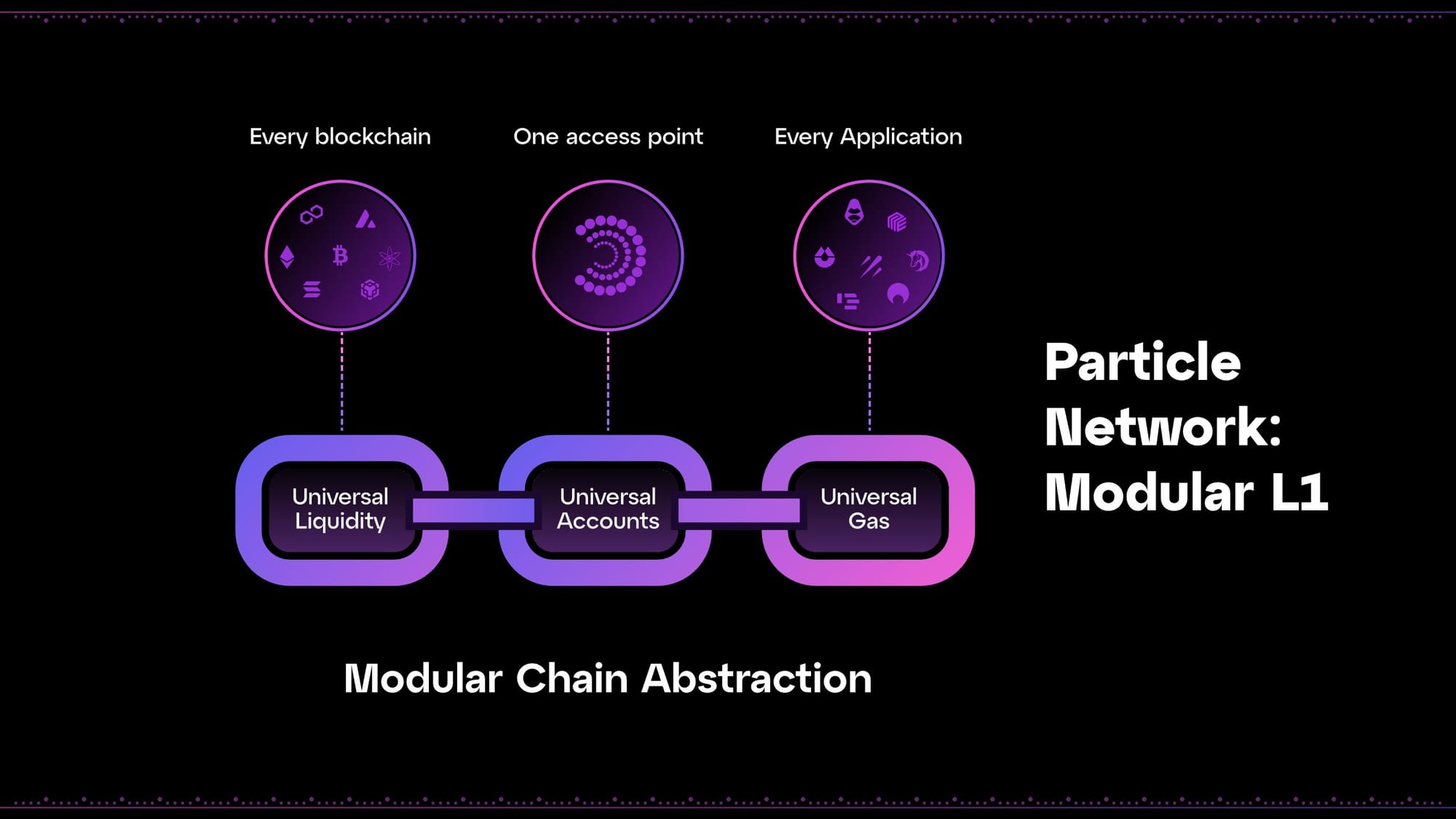
The platform has increasingly focused on chain abstraction and Universal Accounts, allowing developers to build experiences where users can interact across multiple blockchain networks without having to manage separate accounts for every chain. Particle also supports EIP-7702-related infrastructure as part of its broader Universal Accounts strategy.
Key capabilities
- Smart Wallet-as-a-Service
- MPC-TSS-based wallet authentication
- Embedded wallets
- Account abstraction
- Universal Accounts
- Chain abstraction
- Social login
- SDKs and APIs for developers
- Web, mobile, and gaming integrations
- Multi-chain wallet infrastructure
One of Particle Network’s notable characteristics is that it combines wallet infrastructure with account abstraction and chain abstraction rather than focusing solely on key management. This can be useful for applications where developers want to hide much of the complexity of interacting with multiple blockchain networks.
Particle is particularly relevant for developers building products that need users to move between chains without repeatedly creating wallets, switching networks, or managing separate blockchain accounts.
Best suited for: multi-chain applications, consumer Web3 products, gaming platforms, DeFi applications, and developers exploring account abstraction and chain-agnostic wallet experiences.
8. Openfort
Openfort focuses on embedded wallets and smart-account infrastructure, with particular relevance to consumer applications, gaming, payments, and stablecoin products.
Its SDKs support web and mobile environments, while its wallet infrastructure can be combined with account abstraction and gas sponsorship. Openfort’s developer documentation currently lists support for EVM and SVM environments depending on the SDK.
Key capabilities
- Embedded wallets
- Smart accounts
- Account abstraction
- Gas sponsorship
- Transaction orchestration
- Web and mobile SDKs
- Unity support
- Stablecoin-focused infrastructure
Unlike a pure MPC provider, Openfort’s value proposition is more centered on the complete application experience around wallets, transactions, and smart accounts.
Best suited for: gaming platforms, consumer applications, payment products, stablecoin applications, and developers building account-abstraction-based experiences.
9. Tatum
Tatum provides blockchain infrastructure designed to help developers integrate wallets and digital-asset functionality without building blockchain infrastructure from the ground up. Its wallet stack includes APIs and a Smart Wallets SDK, with support for MPC-based wallet operations and multiple blockchain networks.
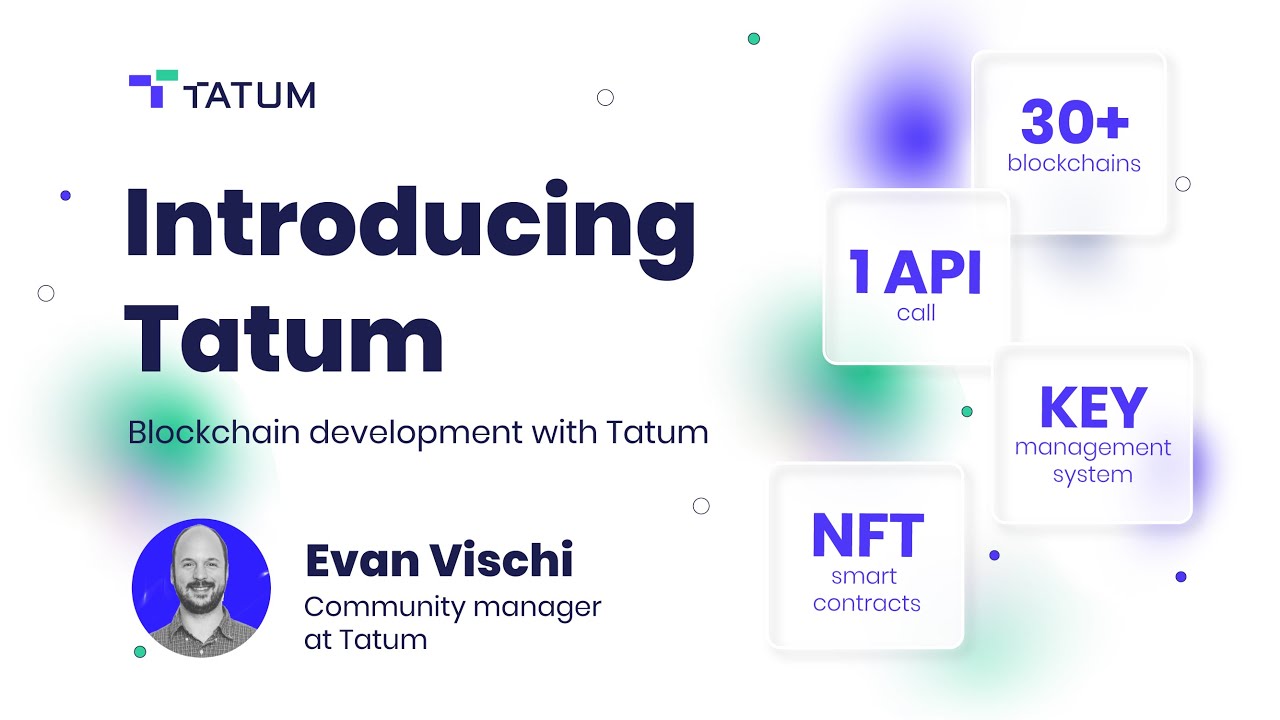
Rather than focusing exclusively on embedded consumer wallets, Tatum takes a broader infrastructure approach. Developers can use its APIs and SDKs to create wallets, manage blockchain transactions, and interact with assets across different networks through a unified development layer.
Key capabilities
- MPC-based Smart Wallets
- Wallet APIs and SDKs
- Multi-chain infrastructure
- Wallet creation and management
- Transaction processing
- Custody model flexibility
- Support for multiple blockchain protocols
- TypeScript SDK
- Blockchain data and transaction APIs
- Infrastructure designed for scaling digital-asset applications
One of Tatum’s differentiators is its combination of wallet infrastructure and broader blockchain APIs. Instead of integrating a wallet provider and a separate blockchain infrastructure stack, developers can use Tatum for multiple parts of the application architecture.
Its Smart Wallets SDK is particularly relevant for teams looking to create wallets programmatically while retaining flexibility around custody and transaction workflows. Tatum states that its wallet infrastructure supports more than 50 chains and provides a unified API layer across blockchain protocols.
Best suited for: fintech applications, digital-asset platforms, payment products, Web3 applications, and development teams that want wallet functionality alongside broader multi-chain blockchain infrastructure.
10. Sequence
Sequence provides developer-focused wallet infrastructure with a strong emphasis on gaming and ecosystem applications. Its current wallet offering combines smart wallets, authentication, smart sessions, and developer SDKs for web, mobile, Unity, and Unreal.
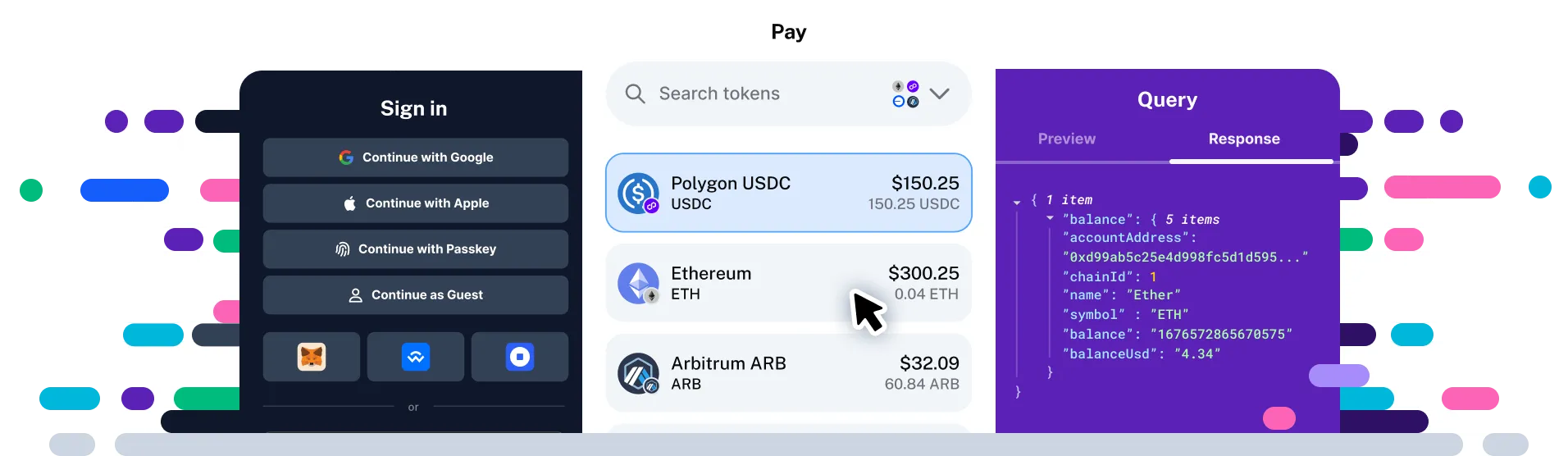
Key capabilities
- Embedded and ecosystem wallets
- Smart wallets
- Smart Sessions
- Passkeys and social authentication
- Web and mobile SDKs
- Unity and Unreal SDKs
- Gas sponsorship
- Cross-chain wallet experiences
- Backend wallet functionality
Sequence differs from MPC-first platforms because its architecture emphasizes smart wallets, isolated signing infrastructure, and programmable sessions rather than positioning MPC as the central product concept. If you are refining your platform, you might also consider professional user interface design services to ensure your wallet experience is intuitive for your users.
Best suited for: gaming companies, digital ecosystems, consumer applications, and products where users need a wallet that works across multiple experiences.
Wallet-as-a-Service vs. MPC: What Is the Difference?
The terms Wallet-as-a-Service and MPC wallet are related but should not be treated as interchangeable.
Wallet-as-a-Service describes the overall developer infrastructure layer. It answers:
“How can I add wallets to my application without building the entire wallet stack myself?”
MPC, meanwhile, describes one approach to managing cryptographic key material.
An MPC-based wallet can divide signing authority or key material among multiple parties so that a complete private key does not need to exist in a single location. Other wallet infrastructure providers use TEEs, HSMs, smart accounts, or hybrid architectures.
For developers, the important question is therefore not simply:
“Does this provider use MPC?”
Instead, evaluate:
- Where are key shares or signing credentials stored?
- Who controls each component?
- Can users recover their wallets independently?
- Can users export or migrate their wallets?
- What happens if the provider becomes unavailable?
- Can the application enforce transaction policies?
- Does the architecture support automated backend signing?
- How are authentication and wallet ownership connected?
- What happens when the application needs to scale to multiple chains?
Key Trends in Wallet Infrastructure for Developers
The Wallet-as-a-Service market is increasingly moving beyond the basic idea of “create a crypto wallet.”
Embedded wallets are becoming application infrastructure
Users increasingly expect blockchain functionality to exist inside an application rather than requiring them to install and manage a separate wallet.
This is pushing providers toward passwordless authentication, passkeys, social login, wallet abstraction, and invisible transaction flows.
MPC is becoming one part of a broader security architecture
MPC remains important for protecting cryptographic key material, particularly in institutional and self-custodial environments. However, providers increasingly combine MPC or threshold signing with policies, secure enclaves, authentication, transaction simulation, and recovery mechanisms.
Smart accounts are changing the wallet experience
Smart accounts can enable capabilities such as gas sponsorship, programmable permissions, transaction batching, and more flexible account recovery.
As a result, developers increasingly need to evaluate both key-management architecture and account architecture.
Wallet infrastructure is moving toward programmable finance
Wallets are no longer used only for holding tokens. They can become infrastructure for payments, stablecoin settlement, treasury management, DeFi operations, tokenization, and automated applications.
This is increasing demand for APIs, webhooks, policy engines, transaction automation, and backend wallet functionality.
Frequently Asked Questions
1. What is Wallet-as-a-Service?
Wallet-as-a-Service is infrastructure that allows developers to create and manage blockchain wallets through APIs and SDKs. Depending on the provider, it can include wallet creation, key management, authentication, signing, recovery, transaction management, and policy controls.
2. Is Wallet-as-a-Service the same as MPC?
No. Wallet-as-a-Service describes the infrastructure category, while MPC is one technology that can be used to secure wallet keys and signing operations. Some WaaS platforms use MPC, while others use TEEs, smart accounts, HSMs, or hybrid architectures.
3. Why do developers use MPC wallets?
MPC can distribute control of cryptographic key material across multiple parties or environments, reducing dependence on a single key location. The exact security model depends on how the provider implements key generation, signing, recovery, and backup.
4. What should developers compare when choosing a wallet provider?
Developers should compare custody architecture, key management, recovery, wallet portability, supported blockchains, APIs, SDKs, transaction controls, authentication, compliance capabilities, pricing, and scalability.
5. Are embedded wallets non-custodial?
Not necessarily. “Embedded wallet” describes how the wallet is integrated into an application, not automatically who controls the assets. Developers should examine the provider’s specific custody and key-management model.


