



Core functionality of the Binance Web3 wallet
The Binance Web3 wallet functions as a self-custodial gateway integrated directly into the Binance mobile application, allowing users to interact with decentralized applications (dApps) without leaving the exchange ecosystem. Unlike traditional hot wallets that require external browser extensions or standalone apps, this wallet utilizes a MPC-based architecture to manage assets across multiple chains, including Ethereum, BNB Chain, and Solana.
Users access dApps through an integrated browser feature, which automatically detects the wallet connection, enabling token swaps, NFT minting, and liquidity provision directly from the interface. Understanding how to use binance web3 wallet for dapps is essential for those looking to bridge centralized liquidity with decentralized protocols seamlessly.
Multi-Party Computation security mechanisms
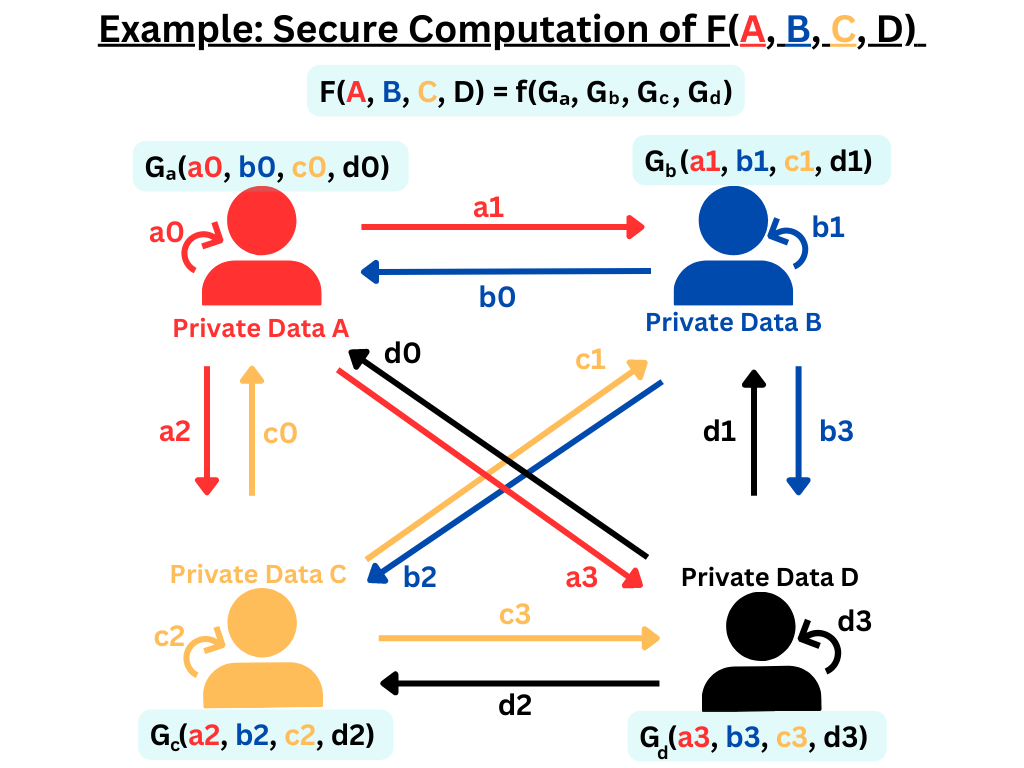
The security of the Binance Web3 wallet technology relies on Multi-Party Computation (MPC), which replaces the traditional 12-to-24-word seed phrase with a distributed key management system. Instead of a single private key existing in one location, the wallet generates three distinct key shards during the setup process:
- Shard 1: Stored on the user’s device, protected by biometric authentication or a security password.
- Shard 2: Stored on Binance servers, requiring the user to be logged into their account to access.
- Shard 3: Encrypted and stored in the user’s personal cloud storage (iCloud or Google Drive).
To authorize any transaction or dApp interaction, the wallet must combine two of these three shards. Because no single entity—including Binance—holds the complete private key, the system effectively eliminates a single point of failure.
If a user loses their device, they can recover their wallet by combining the cloud-stored shard with the shard held by Binance, provided they have maintained their cloud backup and account access. This mechanism provides a balance between the security of non-custodial storage and the convenience of centralized recovery.
However, it necessitates that users maintain strict control over their cloud credentials and Binance account security settings to prevent unauthorized access to their key shards.
Practical steps for how to use Binance Web3 wallet for dApps
The Binance Web3 Wallet integrates directly into the main Binance application, allowing users to interact with decentralized finance (DeFi) protocols without leaving the centralized exchange ecosystem. To begin, ensure your Binance app is updated to the latest version.
Navigate to the ‘Wallets’ tab, select the ‘Web3’ toggle at the top, and complete the backup process for your Multi-Party Computation (MPC) keys. This backup is critical, as it ensures you maintain control over your assets even if you lose access to your device.
Authorizing dApp interactions through the Binance interface
Once your wallet is funded with assets like BNB, ETH, or USDT, you can start interacting with dApps. Follow these steps to ensure a secure connection:
- Access the dApp: Within the Web3 Wallet interface, use the built-in ‘dApp’ browser or copy the official URL of the decentralized application you intend to use. Always verify the URL against official project documentation to avoid phishing sites.
- Initiate Connection: Locate the ‘Connect Wallet’ button on the dApp website. When prompted to choose a provider, select ‘Binance Web3 Wallet’ or ‘Injected’ if the specific option is unavailable.
- Authorize Permissions: A Binance-native pop-up will appear, detailing the requested permissions. Review the specific actions the dApp is requesting, such as ‘View addresses’ or ‘Request transaction signatures.’
- Confirm Transactions: When performing a swap or staking, the dApp will trigger a transaction request. The Binance interface will display the estimated network fees (gas) and the specific smart contract interaction details. Review these carefully before clicking ‘Confirm.’
The Binance Web3 Wallet utilizes MPC technology, which splits your private key into three shares. Two shares are stored on your device and one on Binance servers. This mechanism means that while you are interacting with dApps, you are not exposing a single, vulnerable private key.
However, remember that interacting with smart contracts carries inherent risks. Always check the ‘Transaction Details’ screen within the Binance app to verify the contract address you are interacting with, as malicious dApps may attempt to request permissions that allow them to drain your wallet balance.
Comparative analysis of user experience and accessibility
The Binance Web3 wallet simplifies the transition from centralized trading to decentralized finance by embedding a multi-party computation (MPC) wallet directly within the Binance mobile application. Unlike traditional non-custodial wallets that require users to manage 12 or 24-word seed phrases, the Binance Web3 wallet utilizes a three-share key management system. This approach removes the single point of failure associated with physical paper backups while maintaining the non-custodial nature of the assets.
Integrated exchange liquidity versus self-custody control
The primary advantage of using the Binance Web3 wallet for dApps is the seamless bridge between the centralized exchange (CEX) and the decentralized ecosystem. Users can transfer assets from their Spot or Funding wallets to the Web3 wallet with a single tap, bypassing the complex network selection and address copying required by standalone wallets like MetaMask or Rabby.
This integration significantly reduces the risk of human error, such as selecting the wrong network or inputting an incorrect contract address, which often leads to permanent asset loss for beginners. However, this convenience comes with trade-offs regarding autonomy. Dedicated hardware-backed wallets, such as Ledger or Trezor, offer a higher level of security by keeping private keys offline in a secure element.
While the Binance Web3 wallet is technically non-custodial, it remains tethered to the Binance ecosystem. If a user requires advanced features like custom RPC configurations, multi-signature transaction approval, or integration with cold storage devices for high-value assets, standalone non-custodial wallets remain the industry standard.
The Binance Web3 wallet is optimized for speed and ease of access to popular dApps on chains like BNB Smart Chain, Ethereum, and Arbitrum, whereas dedicated wallets prioritize granular control and long-term cold storage security. For active traders who frequently interact with yield farming protocols or decentralized exchanges, the Binance Web3 wallet provides a superior UX by eliminating the friction of manual on-ramping. Conversely, users managing significant portions of their net worth should weigh the convenience of integrated liquidity against the robust, air-gapped security provided by dedicated hardware devices.
Security trade-offs and risk profiles
Using the Binance Web3 Wallet for dApps introduces a unique security architecture that differs significantly from traditional non-custodial wallets like MetaMask or Rabby. While the wallet utilizes Multi-Party Computation (MPC) technology to eliminate the need for a single seed phrase, the underlying infrastructure remains integrated within the Binance ecosystem. This creates a hybrid security model where the user retains control over their assets, but the wallet’s functionality is inherently linked to the exchange’s proprietary systems.
Custodial dependency and regulatory considerations
The primary distinction between the Binance Web3 Wallet and dedicated non-custodial alternatives lies in the degree of platform dependency. Because the wallet is embedded within the Binance app, it is subject to the platform’s internal security protocols and potential regulatory oversight. If a user’s primary Binance account is frozen due to compliance triggers or regional restrictions, access to the Web3 wallet interface may be impacted, even if the assets remain on the blockchain.
Dedicated non-custodial wallets operate independently of any centralized exchange. They function solely through browser extensions or mobile apps that interact directly with smart contracts. This separation provides a layer of insulation from exchange-specific operational risks or account-level freezes. When you connect a standalone wallet to a dApp, you are solely responsible for the private keys or seed phrase, meaning no third party can restrict your ability to sign transactions.
Users must weigh these factors based on their risk appetite:
- MPC vs. Seed Phrases: Binance’s MPC technology splits your key into three shares, with one stored on your device and one on Binance servers. This prevents a single point of failure but requires trust in Binance’s infrastructure.
- Platform Integration: The convenience of swapping assets directly from your Binance spot account into the Web3 wallet is a major benefit, but it creates a tighter coupling between your centralized and decentralized holdings.
- Regulatory Exposure: Dedicated wallets offer higher resistance to platform-level intervention, making them preferable for users who prioritize total autonomy over the convenience of a unified interface.
Ultimately, the Binance Web3 Wallet is designed for users who want to bridge the gap between centralized liquidity and decentralized finance without managing complex recovery phrases. However, for high-value assets or long-term cold storage, dedicated hardware wallets or independent software wallets remain the industry standard for minimizing third-party reliance.
Performance metrics in cross-chain dApp interactions
The Binance Web3 wallet utilizes a Multi-Party Computation (MPC) architecture, which impacts how transactions are signed when interacting with decentralized applications. Unlike traditional browser extensions that store private keys locally in a single file, the MPC approach splits keys into three shares.
This design ensures that no single point of failure exists, but it introduces a slight latency in signature generation compared to a standard MetaMask installation. Users typically experience a delay of 1-2 seconds when confirming dApp requests as the wallet coordinates the key shares across the Binance infrastructure.
Gas fee optimization and network support
When learning how to use binance web3 wallet for dapps, users benefit from the platform’s deep integration with the BNB Smart Chain (BSC) and Ethereum. The wallet automatically suggests gas settings based on real-time mempool congestion, often defaulting to ‘Market’ or ‘Aggressive’ modes to prevent transaction drops.
However, the interface lacks the granular control found in advanced tools like Rabby Wallet, where users can manually adjust nonce values or set specific gas limits for complex smart contract interactions. Regarding network compatibility, the wallet provides robust support for EVM-compatible chains including Polygon, Arbitrum, and Optimism. The integration is seamless; users do not need to manually input RPC endpoints or chain IDs, as the wallet pre-configures these settings.
For non-EVM chains like Bitcoin or Solana, the wallet functions differently. It utilizes a separate address derivation path, meaning that dApps built for the Ethereum Virtual Machine will not recognize the wallet’s non-EVM assets. This creates a functional silo where users must switch networks within the interface to trigger the correct signing protocol. While this prevents cross-chain errors, it requires users to be vigilant about which network is active before clicking ‘Connect’ on a dApp landing page. For high-frequency traders, the lack of batch transaction support—which allows multiple approvals in one click—remains a notable performance bottleneck compared to dedicated non-custodial alternatives that prioritize power-user features.
Decision criteria for professional DeFi users
Choosing between an integrated solution like the Binance Web3 wallet and dedicated non-custodial alternatives depends on your specific operational requirements. Professional DeFi users must balance the convenience of centralized infrastructure with the granular control offered by standalone browser extensions or hardware-backed wallets.
Optimal use cases for the Binance Web3 wallet

The Binance Web3 wallet excels in scenarios where speed and liquidity management are the primary objectives. If your strategy involves frequent trading on the Binance exchange followed by immediate deployment of capital into decentralized protocols, this integrated wallet significantly reduces friction.
Users can move assets between the centralized exchange and the Web3 wallet without navigating complex bridge interfaces or managing multiple private key backups across different platforms. This setup is particularly effective for:
- Rapid Arbitrage: Capitalizing on price discrepancies between centralized order books and decentralized liquidity pools requires sub-minute execution. The Binance ecosystem allows for near-instant asset transfers to the Web3 wallet, enabling faster entry into DeFi positions.
- Simplified Onboarding: For users who already maintain a verified Binance account, the MPC (Multi-Party Computation) technology used in the Web3 wallet removes the burden of managing a 12-word seed phrase, provided you handle the recovery password and key share backup correctly.
- Cross-Chain Swaps: The built-in aggregator simplifies the process of swapping assets across chains without needing to manually configure RPC settings or track down bridge liquidity manually.
Conversely, if your DeFi activity centers on long-term cold storage, governance participation in niche DAOs, or interacting with experimental smart contracts that require hardware wallet integration (like Ledger or Trezor), dedicated non-custodial wallets remain the industry standard. These standalone tools provide a more robust security perimeter by isolating your private keys from any centralized entity’s infrastructure. While the Binance Web3 wallet offers a streamlined experience for active traders, it is not a direct replacement for institutional-grade self-custody solutions that require full hardware-level signing capabilities.
Frequently Asked Questions
Clarification on the non-custodial nature of the Binance Web3 wallet
Yes, the Binance Web3 wallet uses Multi-Party Computation (MPC) technology, meaning your private keys are split into three shares, ensuring that Binance does not have full control over your funds, though it differs from traditional seed-phrase wallets. To understand the broader shift in the ecosystem, many are exploring how web3 web ownership is redefining digital assets.
Factors favoring dedicated wallets over the Binance Web3 wallet
You should opt for a dedicated non-custodial wallet like MetaMask or Rabby if you require advanced hardware wallet integration, support for niche EVM chains not yet indexed by Binance, or prefer managing your own 12-24 word recovery phrase. For those new to the space, learning how to learn web3 development for beginners can provide deeper insight into these infrastructure choices.


