



The top 10 blockchain companies in Singapore under MAS rules include firms like Coinhako, FOMO Pay, and StraitsX, which operate within the country’s robust financial regulatory framework. Singapore has established itself as a significant hub for blockchain innovation, supported by a financial ecosystem that combines technological development with regulatory oversight. As digital assets move beyond speculative trading into payments, institutional finance, tokenization, and cross-border transactions, businesses increasingly need blockchain partners that understand both the technical and regulatory dimensions of the industry. Understanding the blockchain bitcoin web3 landscape is essential for any firm entering this space.
The Monetary Authority of Singapore (MAS) plays a central role in shaping this environment through frameworks such as the Payment Services Act 2019. For companies providing regulated digital payment token services, compliance is not simply an administrative requirement; it influences how products are structured, customer assets are safeguarded, and financial services are delivered.
For businesses exploring blockchain adoption, identifying companies with relevant regulatory permissions and practical industry experience is an important starting point. This guide highlights 10 blockchain and digital asset companies in Singapore, covering their core offerings, market focus, and relevance to organizations navigating the country’s regulatory landscape.
Understanding Singapore’s MAS Regulatory Framework for Blockchain Companies
Before exploring individual companies, it is important to understand what operating under MAS rules actually means. Singapore does not apply one universal blockchain licence to every business using distributed ledger technology. Instead, regulatory requirements depend on the nature of the activities being conducted, the financial products involved, and the services provided to customers.
Under the Payment Services Act 2019, businesses providing regulated digital payment token (DPT) services may need to obtain a licence from MAS. These activities can include dealing in digital payment tokens and facilitating their exchange or transfer, depending on the business model and applicable regulatory definitions.
A Major Payment Institution (MPI) licence is particularly relevant to companies offering digital asset services at scale. Licensed institutions are subject to regulatory obligations covering areas such as anti-money laundering and countering the financing of terrorism (AML/CFT), customer protection, and operational controls. Other activities, including dealing in securities or operating certain investment-related products, may fall under separate legislation, such as the Securities and Futures Act.
Consequently, a company’s MAS status should always be evaluated in relation to its specific Singapore entity and the services it is authorized to provide. A company may develop blockchain software without requiring a DPT licence, while a provider handling regulated digital asset transactions may face additional licensing obligations.
The following selection focuses on companies with a meaningful presence in Singapore and identifiable digital asset or blockchain use cases, with particular attention to firms listed in MAS’s Financial Institutions Directory for digital payment token services.
Top 10 Blockchain Companies in Singapore Under MAS Rules
1. Coinhako
Founded in 2014, Coinhako is a Singapore-based cryptocurrency platform that has developed its presence around providing access to digital assets for retail, institutional, and high-net-worth users. Its position in the local market reflects the development of Singapore’s regulated cryptocurrency ecosystem, where accessibility and compliance must operate alongside one another.
Coinhako received a Major Payment Institution licence in 2022, allowing its Singapore entity to provide regulated digital payment token services under the Payment Services Act. This regulatory status is particularly relevant for customers and businesses seeking a locally established platform operating within Singapore’s financial services framework.
Core offerings and capabilities:
-
Cryptocurrency trading and digital asset access.
-
Services supporting retail and institutional users.
-
Digital asset transactions within its licensed Singapore operations.
-
Platform infrastructure designed for users engaging with the cryptocurrency market.
Why it matters: Coinhako is relevant to businesses exploring digital asset participation in Singapore, particularly those that value a locally established platform with a documented regulatory presence. Its experience also illustrates how cryptocurrency services can develop within a jurisdiction that places considerable emphasis on financial oversight.
2. FOMO Pay
FOMO Pay is a Singapore-headquartered fintech company founded in 2015, focusing on the intersection of traditional payment systems and digital financial infrastructure. Its business model extends beyond cryptocurrency transactions, encompassing merchant payments, cross-border transfers, and digital asset-related services.
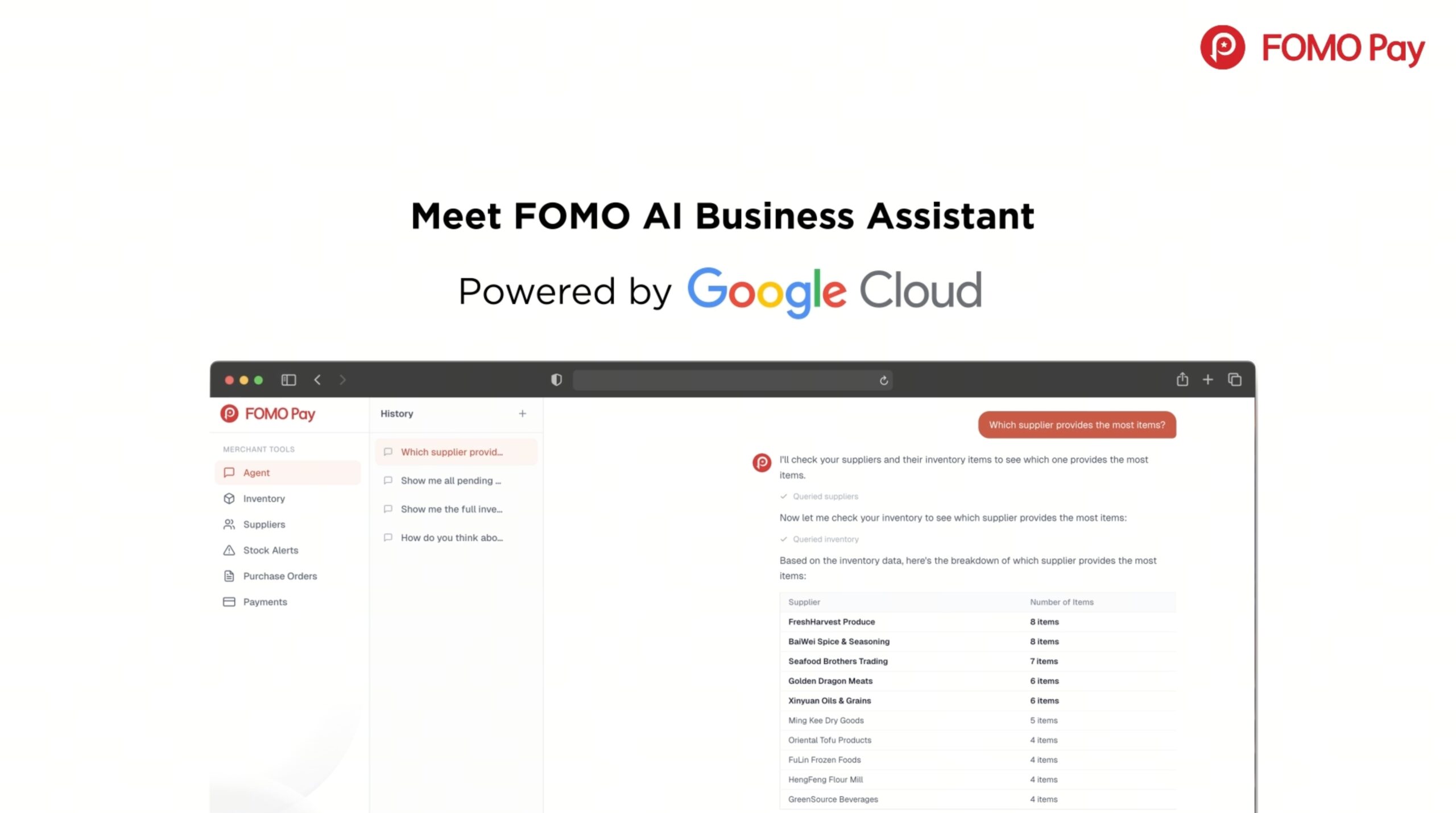
The company holds an MAS Major Payment Institution licence covering several payment activities, including domestic money transfers, cross-border money transfers, merchant acquisition, and digital payment token services. Its involvement in the development of Singapore’s SGQR standard also reflects its connection to the country’s broader digital payments ecosystem.
Core offerings and capabilities:
-
Digital payment solutions for merchants and businesses.
-
Cross-border payment infrastructure.
-
Digital asset and fiat currency integration.
-
Payment services supporting business transactions across markets.
Why it matters: FOMO Pay is particularly relevant to organizations investigating how blockchain-based financial infrastructure can complement established payment systems. Its combination of traditional payment capabilities and regulated digital asset services makes it a useful example of the convergence between Web2 financial operations and Web3 technologies.
3. StraitsX
StraitsX is a Singapore-based digital payments infrastructure provider focused on stablecoins and their application in real-world financial transactions. Its ecosystem includes XSGD and XUSD, digital tokens designed to represent the Singapore dollar and US dollar, respectively.
Rather than positioning blockchain solely as a mechanism for cryptocurrency trading, StraitsX emphasizes its potential as a settlement layer for businesses, financial institutions, and developers. Its infrastructure aims to connect traditional fiat-based financial systems with blockchain-enabled transfers, supporting applications that require more flexible digital payment rails.
The company’s Singapore entities appear in MAS’s Financial Institutions Directory for digital payment token services, providing a regulatory foundation for its relevant licensed activities.
Core offerings and capabilities:
-
Singapore dollar and US dollar stablecoin infrastructure.
-
Digital payment and settlement solutions.
-
Blockchain-based transfer capabilities.
-
Infrastructure for businesses and developers building digital financial products.
Why it matters: StraitsX is relevant to companies exploring stablecoin adoption, particularly where transaction settlement, cross-border payments, and interoperability between fiat and digital assets are central considerations. Its work demonstrates how blockchain infrastructure can support financial applications beyond conventional crypto exchanges.
4. MetaComp
MetaComp is a Singapore-based financial technology company developing solutions that connect traditional financial infrastructure with digital assets. Its approach, described as Web2.5 finance, focuses on integrating fiat currencies, stablecoins, payment systems, and compliance capabilities into a unified operating environment.
The company offers infrastructure designed for businesses that need to manage financial operations across conventional banking channels and blockchain-based networks. Its solutions include payment processing, foreign exchange, treasury management, and compliance intelligence, addressing operational challenges that arise when businesses work across multiple financial systems.
Core offerings and capabilities:
-
Cross-border payments and foreign exchange.
-
Fiat and stablecoin payment infrastructure.
-
Digital asset treasury solutions.
-
Compliance intelligence connecting traditional financial controls with blockchain transaction monitoring.
-
Infrastructure for institutional financial operations.
Why it matters: MetaComp is particularly relevant to businesses that want to incorporate digital assets into existing financial workflows without treating blockchain as an isolated technology stack. Its focus on interoperability and compliance makes it a notable participant in Singapore’s evolving institutional digital finance landscape.
5. Sygnum
Sygnum is a digital asset financial services group with Swiss and Singaporean roots. Its Singapore operations focus on serving institutional and accredited investors through regulated digital asset services, combining financial expertise with blockchain-based infrastructure.

The company’s Singapore entity is supervised by MAS and operates within the applicable local regulatory framework. Its offerings include digital asset trading, custody, and services supporting the integration of digital assets into institutional financial strategies.
Core offerings and capabilities:
-
Digital asset trading and custody.
-
Institutional digital asset services.
-
Tokenization-related financial infrastructure.
-
Digital asset solutions for professional investors and financial intermediaries.
Why it matters: Sygnum is relevant to financial institutions and professional investors examining how blockchain technology can be incorporated into established financial services. Its combination of digital asset infrastructure and traditional financial expertise provides a useful reference point for understanding the institutionalization of blockchain-based finance.
6. QCP Capital
QCP Capital is a Singapore-based digital asset trading firm serving institutional participants in cryptocurrency markets. Its business focuses on trading infrastructure and market access rather than consumer-oriented blockchain applications, making it relevant to professional investors and organizations with more sophisticated digital asset requirements.
QCP Trading Pte. Ltd. holds an MAS Major Payment Institution licence for digital payment token services. Its regulatory disclosures also distinguish between regulated DPT services and other activities within its broader business, an important consideration for clients evaluating the scope of its Singapore operations.
Core offerings and capabilities:
-
Institutional digital asset trading.
-
Over-the-counter (OTC) market access.
-
Trading and liquidity-related services.
-
Digital asset market infrastructure for professional counterparties.
Why it matters: QCP Capital is relevant to institutions that require specialized trading capabilities and a deeper understanding of digital asset market structure. Its presence in Singapore also highlights the importance of distinguishing between regulated financial activities and other services that may fall outside a particular licence.
7. Hex Trust
Hex Trust is an institutional digital asset infrastructure provider with operations across multiple jurisdictions, including Singapore. Through Hex Technologies Pte. Ltd., its Singapore entity provides regulated digital payment token services, with a particular focus on custody and institutional trading execution.
The company’s Singapore-specific offering emphasizes asset segregation, safeguarding arrangements, and operational controls. Its published disclosures distinguish services available under the local Singapore entity from products offered by other companies within the broader Hex Trust group, helping customers understand the relevant regulatory boundaries.
Core offerings and capabilities:
-
Institutional digital asset custody.
-
Over-the-counter trading execution for eligible clients.
-
Segregated digital asset safeguarding.
-
Wallet infrastructure and institutional operational controls.
Why it matters: Hex Trust is relevant to businesses and institutions that prioritize asset custody, operational security, and regulatory clarity when integrating blockchain technology. Its Singapore operations illustrate the specialized infrastructure required to support institutional participation in digital asset markets.
8. TripleA
TripleA is a Singapore-based cryptocurrency payment solutions provider focused on enabling businesses to accept digital assets through payment infrastructure. Its services are designed to connect crypto transactions with conventional merchant operations, addressing the practical challenges of integrating digital currencies into
The company operates through Triple A Technologies Pte. Ltd., which is listed in MAS’s Financial Institutions Directory as a Major Payment Institution providing digital payment token services.
Core offerings and capabilities:
-
Cryptocurrency payment acceptance.
-
Payment infrastructure for merchants.
-
Integration of digital asset payments into business workflows.
-
Solutions supporting commercial transactions involving digital currencies.
Why it matters: TripleA is relevant to merchants and digital businesses investigating alternative payment methods. Its focus on transaction infrastructure demonstrates how blockchain technology can be applied to everyday commercial use cases rather than being limited to investment or trading activities.
9. dtcpay
dtcpay, operating through Digital Treasures Center Pte. Ltd., is a Singapore-based fintech company involved in digital payment services and digital asset infrastructure. Its business addresses the growing intersection between traditional payment experiences and emerging digital currencies.
The company’s Singapore entity is listed in the MAS Financial Institutions Directory as a Major Payment Institution authorized to provide digital payment token services. This provides a documented regulatory reference for its relevant local operations, although individual products should still be assessed against their specific terms and regulatory scope.
Core offerings and capabilities:
-
Digital payment services.
-
Digital asset transaction infrastructure.
-
Payment solutions for businesses.
-
Integration of emerging digital payment methods into financial workflows.
Why it matters: dtcpay is relevant to businesses exploring how digital currencies can be incorporated into payment experiences while operating within Singapore’s regulated financial environment. Its presence also reflects the broader development of fintech companies combining payment innovation with digital asset capabilities.
10. XREX
XREX is a financial technology company operating in the digital asset and cross-border financial services space. Its business focuses on connecting traditional financial systems with blockchain-based capabilities, with an emphasis on financial transactions and access to digital assets across markets.
XREX Pte. Ltd. appears in MAS’s Financial Institutions Directory as a Major Payment Institution providing digital payment token services. This regulatory status is relevant to understanding the company’s Singapore operations, particularly where digital asset transactions intersect with financial services.
Core offerings and capabilities:
-
Digital asset-related financial services.
-
Cross-border financial infrastructure.
-
Blockchain-enabled transaction capabilities.
-
Solutions connecting digital assets with traditional financial workflows.
Why it matters: XREX is relevant to businesses examining the role of blockchain in international financial operations. Its presence in Singapore’s regulated digital payment ecosystem provides another example of how digital asset infrastructure is being developed to support cross-border use cases.
How to Choose a Blockchain Company in Singapore
Selecting a blockchain partner requires more than evaluating its technology stack or market reputation. Businesses operating in regulated industries should consider how a provider’s technical capabilities align with its legal obligations, operational requirements, and long-term business objectives.
1. Verify the Company’s MAS Regulatory Status
Start by identifying the exact legal entity that will provide the service. A company may operate through multiple subsidiaries, each with different regulatory permissions. Check the MAS Financial Institutions Directory to confirm whether the relevant Singapore entity holds the licence required for the proposed activity.
A DPT licence should not be interpreted as authorization for every financial service, investment product, or blockchain application offered by the wider corporate group.
2. Evaluate Technical Capabilities and Infrastructure
The appropriate technical expertise depends on the project’s intended application. A business building a decentralized application may prioritize smart contract development and blockchain integration, whereas a financial institution may require secure custody, transaction monitoring, and API connectivity. Understanding essential features blockchain systems offer is vital for long-term success.
3. Examine Security and Asset Safeguarding Practices
Security is particularly important when blockchain infrastructure handles customer assets or sensitive financial information. Businesses should assess wallet architecture, key management procedures, access controls, incident response plans, and independent security assessments.
For regulated digital payment token services, customer asset safeguarding obligations are also an important part of the operating environment. A provider should be able to explain how its arrangements apply to the specific service being considered.
4. Assess Compliance and Operational Readiness
Compliance should be considered throughout the project lifecycle rather than treated as a final approval step. Depending on the business model, relevant areas may include customer due diligence, transaction monitoring, AML/CFT controls, recordkeeping, and operational resilience.
For companies developing financial products, it is also important to determine whether the proposed solution introduces regulatory obligations beyond those covered by an existing service provider’s licence.
5. Consider Scalability and Long-Term Support
Blockchain projects often evolve after initial deployment. Businesses should evaluate whether a provider can support ongoing maintenance, system upgrades, performance requirements, and changing operational needs. Effective blockchain content marketing can also help communicate these technical milestones to stakeholders.
A well-defined engagement should include clear responsibilities for technical support, security updates, documentation, and future integration work. These considerations are particularly important when blockchain infrastructure becomes part of a company’s core financial operations.
Frequently Asked Questions
1. What are the top blockchain companies in Singapore?
Singapore has a diverse blockchain ecosystem covering digital asset exchanges, payment infrastructure, stablecoins, institutional custody, and financial technology. Companies such as Coinhako, FOMO Pay, StraitsX, MetaComp, Sygnum, QCP Capital, Hex Trust, TripleA, dtcpay, and XREX represent different segments of this market, with varying services and regulatory permissions.
2. What does it mean for a blockchain company to be MAS-licensed?
An MAS licence authorizes a specific legal entity to conduct particular regulated activities under Singapore’s financial services framework. For example, a Major Payment Institution licence covering digital payment token services permits the relevant entity to conduct those services subject to applicable regulatory requirements. It does not mean that every product offered by the wider company is regulated or approved by MAS.
3. Do all blockchain companies in Singapore need an MAS licence?
No. Licensing requirements depend on the activities a company conducts. A business developing blockchain software, providing technical consulting, or building certain non-financial applications may not require a DPT licence. However, companies providing regulated payment or digital asset services may be subject to licensing requirements under the Payment Services Act or other applicable legislation.
4. What is the difference between an MPI licence and a blockchain technology certification?
A Major Payment Institution licence is a regulatory authorization issued under Singapore’s Payment Services Act for specified payment activities. A technology certification or industry accreditation serves a different purpose, typically relating to technical capabilities, security practices, or organizational standards. Neither should be treated as interchangeable with the other.
5. How can businesses verify whether a blockchain company is licensed by MAS?
Businesses can consult the MAS Financial Institutions Directory, which provides information about regulated financial institutions, their licence types, and authorized activities. It is important to search using the company’s exact legal entity name and confirm that the listed permissions correspond to the proposed service.


