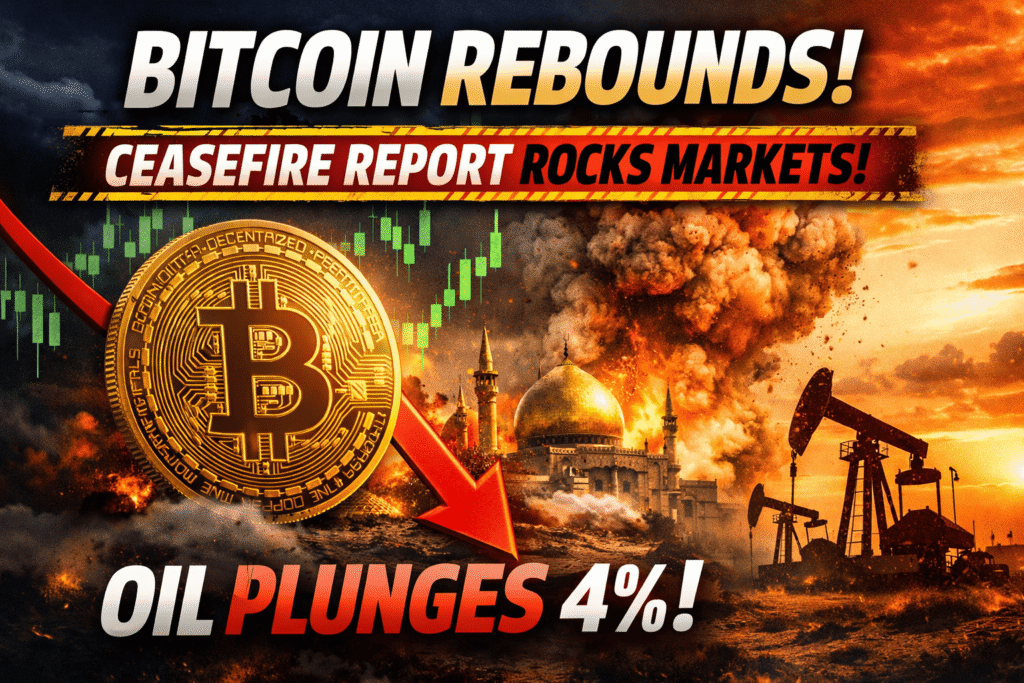

Bitcoin is once again being tested by a major geopolitical shock, but this time the market is not treating it like “digital gold.”
As tensions around the Strait of Hormuz intensify and oil prices surge, Bitcoin is trading less like a defensive store of value and more like a liquidity-sensitive risk asset. That shift is at the center of the current debate: is BTC truly decoupling, or is it still tightly tied to broader macro pressure?
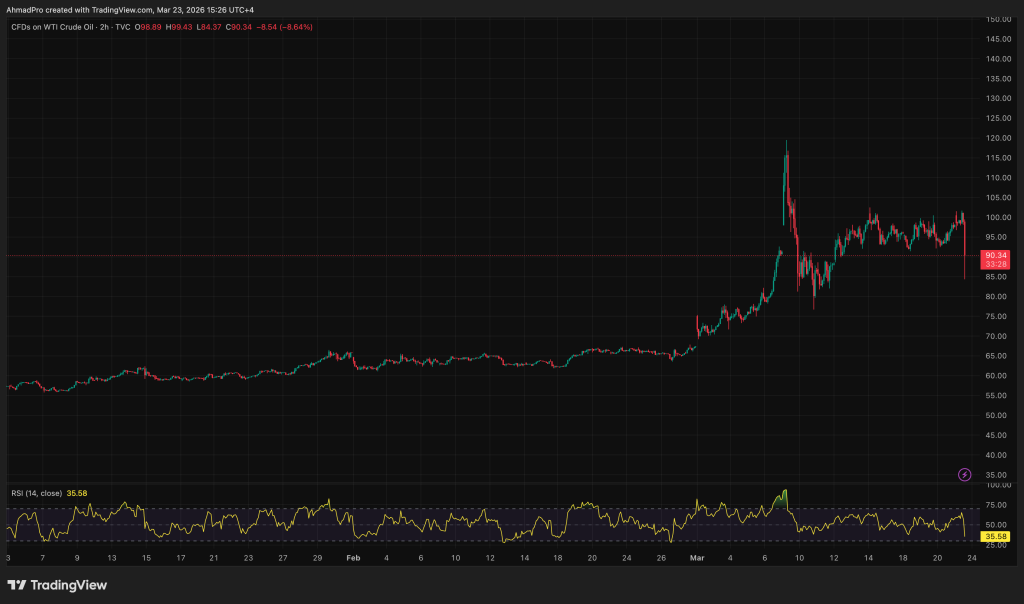
According to Cryptonews, Bitcoin’s correlation with WTI crude has climbed to 0.68, a sharp move from historical levels below 0.3. At the same time, Brent crude reached $113.32 and WTI climbed to $101.01, highlighting how closely digital assets are reacting to the energy shock rather than moving independently from it.
That matters because the current macro transmission is straightforward. Higher oil prices keep inflation elevated. Sticky inflation reduces the likelihood of rapid monetary easing. Higher-for-longer rates then tighten global liquidity, and Bitcoin remains highly sensitive to liquidity conditions. In this setup, BTC is not benefiting from geopolitical fear as a classic safe-haven asset would. Instead, it is reacting to the risk of tighter financial conditions.
This is where the “digital gold” narrative starts to weaken in the short term.
Historically, moments of geopolitical instability have often strengthened the case for alternative stores of value. But the current Hormuz crisis is producing a different response. Rather than attracting strong defensive inflows, Bitcoin is being weighed down by the same macro forces hurting other risk assets. That suggests the market still sees BTC as dependent on monetary conditions, even when the broader narrative argues otherwise.
Still, the picture is not entirely bearish.
While macro sentiment remains fragile, on-chain behavior points to a more nuanced backdrop. Cryptonews reports that whale wallets holding between 1,000 and 10,000 BTC continue accumulating in the $65,000 to $70,000 range. That signals that larger players may view the current oil-driven shock as temporary, or at least believe policy responses could eventually restore liquidity conditions favorable for Bitcoin.
That divergence is important. Retail participants may react quickly to headlines around energy prices, Middle East escalation, and Federal Reserve policy. Larger holders, however, appear more willing to absorb volatility at current levels. This does not eliminate downside risk, but it does suggest that conviction has not fully broken at the upper end of Bitcoin’s current trading range.
From a market structure perspective, $65,000 is now the key support zone to watch. Cryptonews notes that bulls must defend that level to avoid a deeper technical breakdown toward $58,000. On the upside, the more meaningful signal would be a reclaim of $72,000 while oil remains above $100. If that happens, the decoupling thesis regains credibility. Until then, Bitcoin is still behaving like a macro-exposed asset rather than a true crisis hedge.
For CoinStori, the takeaway is clear: Bitcoin’s long-term “digital gold” identity has not disappeared, but it is not being confirmed by the market under current conditions. Right now, BTC remains caught between two narratives — one built on scarcity, resilience, and institutional adoption, and the other driven by oil, inflation, rates, and liquidity.
Until Bitcoin proves it can hold strength while macro stress deepens, the decoupling story remains unproven.
Buy me a croissant 🥐
If this story helped you, a tiny treat keeps the energy (and research) going.